
Review · SAPA
Sapa3D2N TrekkingAdventures,Valleys,Bambooforest,Waterfall
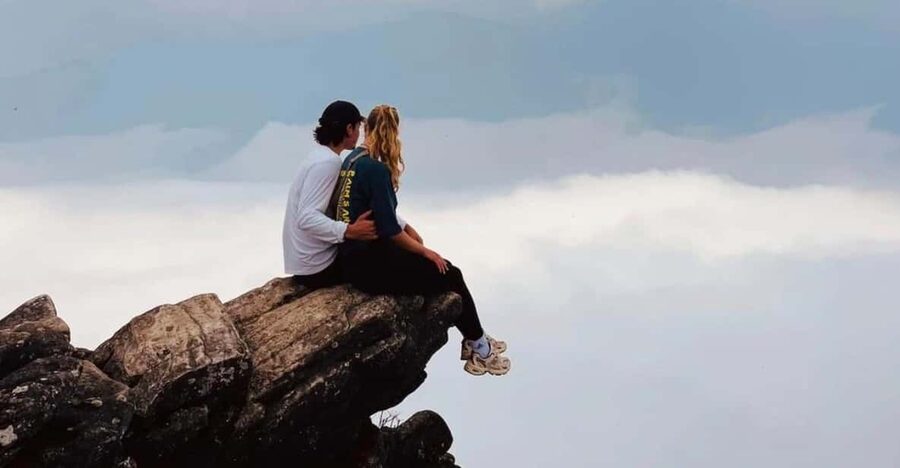
Dragon Mountain is the big draw here. From its 1,900-meter viewpoint, you look across Sapa, Fansipan, and the broad rice terraces of Muong Hoa Valley before walking into Black Hmong villages and forest trails. I like the local family homestay and the chance to spend real time with Hmong hosts. I also like that Dinh and her sisters guide you rather than sending you along with a faceless group.
The main drawback is the walking. You cover roughly 28 to 39 kilometers over three days, often on mountain paths, with some steep sections and changing conditions. This is not a gentle sightseeing tour. You’ll need comfortable clothes, sturdy footwear, and a fair level of fitness.
Key points to know before booking
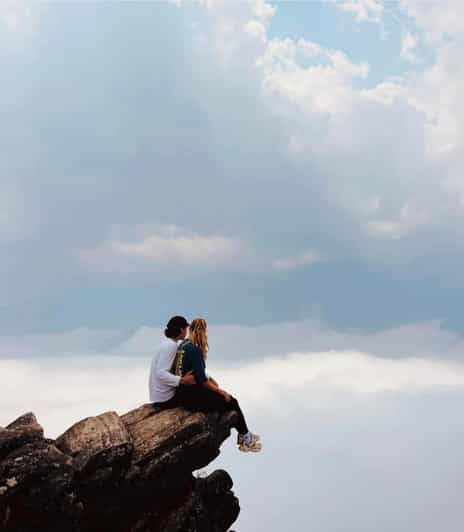
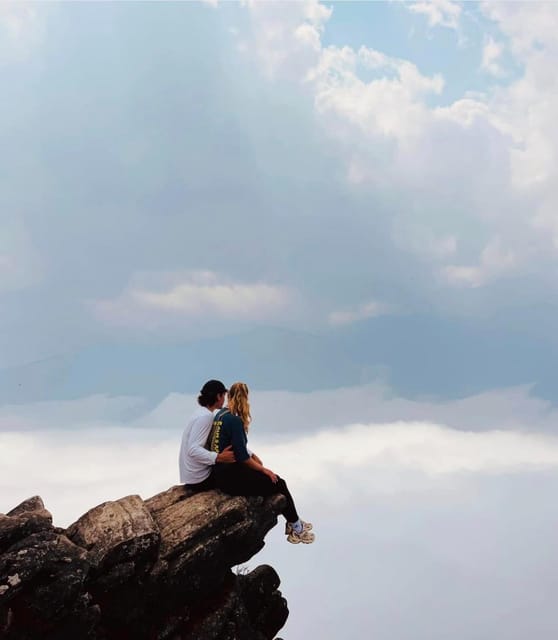
- Dragon Mountain viewpoint: Begin with a 1-kilometer climb to views of Sapa, Fansipan, and Muong Hoa Valley.
- Two nights with a Hmong family: Stay at Dinh’s homestay in Hau Thao and Ta Van, with breakfast and dinner included.
- Three full trekking days: The routes cover about 10 to 15 kilometers on day one, 9 to 11 on day two, and 9 to 13 on day three.
- Waterfalls and bamboo forest: Expect forest paths, Giang Ta Chai Waterfall, hanging bridges, rice fields, and village roads.
- Several ethnic communities: Visit Black Hmong, Red Dao, and Tày areas, including traditional Tày stilt houses in Ban Ho as part of the advertised experience.
- Strong value at $80: Meals, village entry fees, guide service, homestays, water, and transport back to Sapa are included.
Dragon Mountain gives day one a memorable start
The tour begins at 9 a.m., when Dinh or one of her sisters meets you at your Sapa hotel or outside the town’s main church. That start is useful if you have arrived by overnight bus or train and need a little time in the morning.
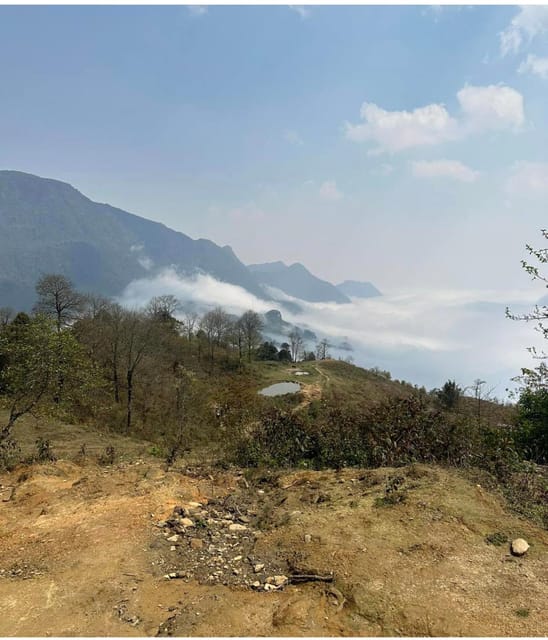
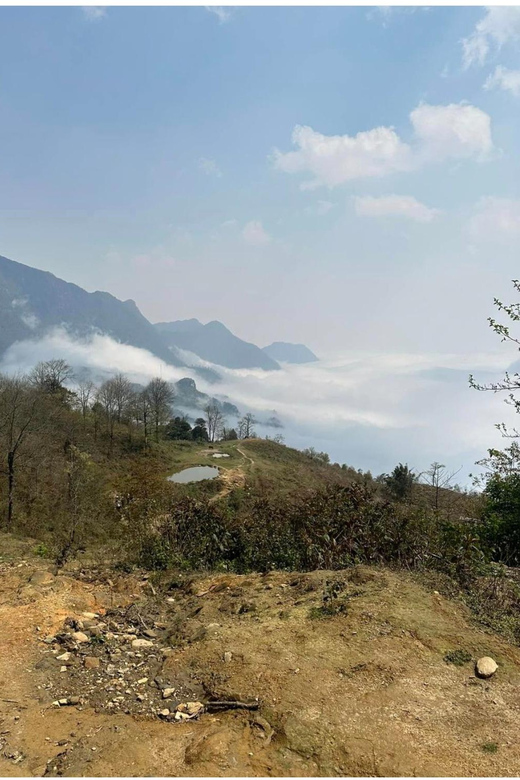
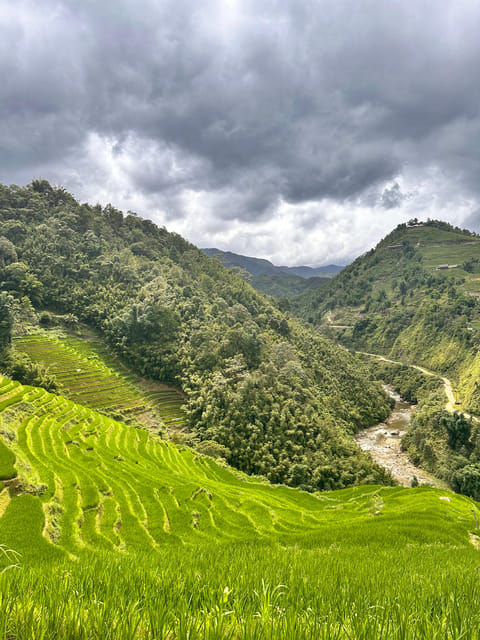
The first section climbs about 1 kilometer along a small mountain trail to Dragon Mountain. At roughly 1,900 meters, this is the trip’s best early viewpoint. You can see Sapa town, Fansipan at 3,143 meters, and the rice terraces running through Muong Hoa Valley.
The view is not just a photo stop. It helps you understand the area before you walk through it. Sapa sits high in the Hoang Lien Son range, and the villages below are linked by steep paths, narrow roads, fields, and streams. From above, you can see why the next three days involve plenty of up and down walking.
After the viewpoint, you descend toward Hang Da, a Black Hmong village. The route passes working farmland and homes, and you might see buffalo, cattle, and pigs. This is a useful part of the walk because it shows village life as daily work, not as a staged cultural display.
Lunch comes at a small family-run restaurant. Three lunches are included, but extra drinks are not, so carry some cash if you want beer, soft drinks, or more bottled water. One bottle of water per person per day is provided.
More Waterfall Treks in Vietnam
- From Sapa: Waterfalls, Trekking and Tribal Villages Tour
★ 4.6 · 91 reviews - Trekking Tour to Hidden Waterfall & Sturgeon Farm for dog-lovers
★ 5.0 · 67 reviews - Trekking to Hidden Waterfall & Sturgeon Farm for dog-lovers
★ 4.8 · 43 reviews
Hau Thao turns the first night into a family stay
After lunch, the trail continues toward Hau Thao, another Black Hmong village. If your timing is right, you may see people planting or harvesting rice. Agricultural work changes with the season, so the exact scene depends on when you visit.
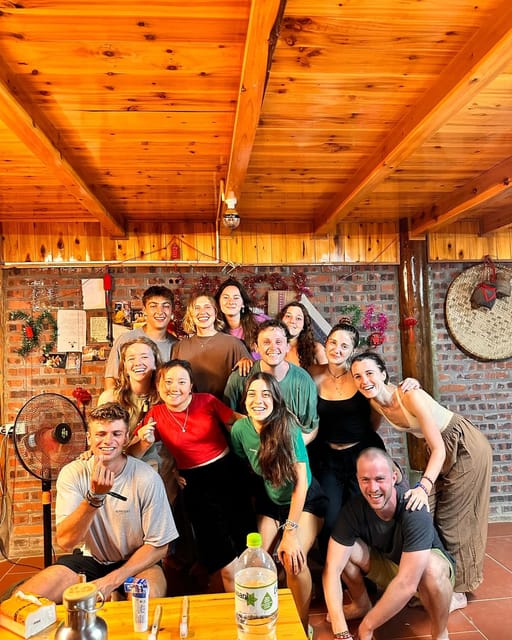
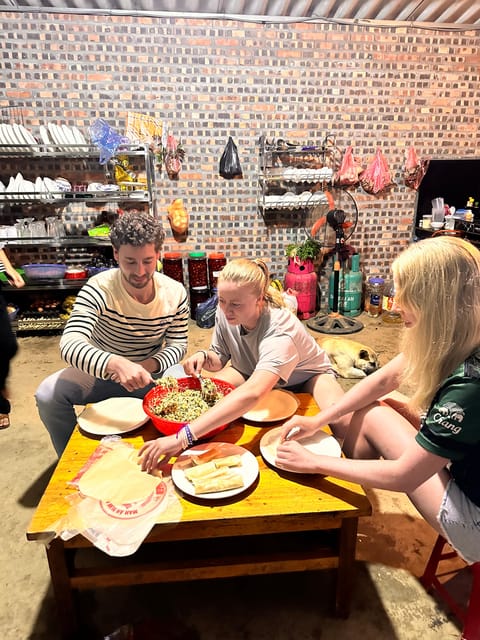
You spend the first night at Dinh’s family homestay. The plan includes a hot shower, time to rest, and dinner with the family. That setting is the heart of the experience. You are not simply stopping at a basic overnight lodge, you are sharing space with a local household and meeting people connected to the guide.
The homestay atmosphere can be lively. Singing, dancing, and happy water, the local rice wine custom, may be part of the evening. You should enjoy this in moderation, especially with another full day of hiking ahead. The family welcome is a major reason to choose this tour, but it also means you should expect a social night rather than a silent hotel stay.
Dinh’s personality is part of the appeal. She is described as enthusiastic, cheerful, and quick to keep the mood moving. Her family and guiding team help create an informal atmosphere, and children from a nearby house may also be around. If you like meeting people at the end of a walking day, this works well. If you want privacy, bring that expectation down a notch.
Day two follows waterfalls, bridges, and Red Dao villages
After breakfast, you begin the second trek. The route covers about 9 to 11 kilometers and takes around five and a half hours. You walk from the homestay toward Hau Thao and Su Pan, a small Black Hmong village near the mountains.
Su Pan offers more views across rice fields and traditional homes. The descriptions of local life here point to a quieter setting where houses remain closely tied to farming and the surrounding hills. The trail then climbs toward Giang Ta Chai Waterfall.
The waterfall is one of the day’s most appealing stops, especially after the morning’s walking. The tour also includes bamboo forest sections, and these narrow paths give the route a different feel from the open rice terraces. Bring clothes that can handle mud and moisture. Swimwear is listed among the recommended items, which may be useful around wet areas, although the exact opportunity for swimming is not specified.
At Giang Ta Chai, you enter an area associated with the Red Dao people. Your guide explains local culture and daily life, then takes you to visit a Red Dao family. This is where having a local guide matters. Dinh’s Hmong background gives you a direct connection to the region’s ethnic communities, while the route also introduces you to customs beyond her own community.
You return toward the waterfall by an alternative path and cross a second hanging bridge. Bridges and wet mountain trails can make this section feel more adventurous, but they may also be uncomfortable if you dislike heights or uneven footing. The tour information does not give a precise difficulty grade, so ask Dinh about current trail conditions before departure if that matters to you.
Lunch is served at a small restaurant run by a Hmong family in Giang Ta Chai village. The food is included, and the home-style meals are repeatedly praised as one of the strongest parts of the trip. Expect Vietnamese dishes prepared for a local setting rather than a Western menu.
After the break, you walk to Ta Van village and return to the family homestay. The second evening gives you another chance to talk with the hosts and meet people from other countries who may be staying there. The social side is not an extra feature added around the edges of the tour. It is part of the main experience.
Day three brings the biggest rice terraces
The final morning begins after breakfast with a 9 to 13-kilometer trek toward Lao Chai and Y Linh Ho. This is another five and a half hour walking day, so do not treat the final route as a short stroll before returning to town.
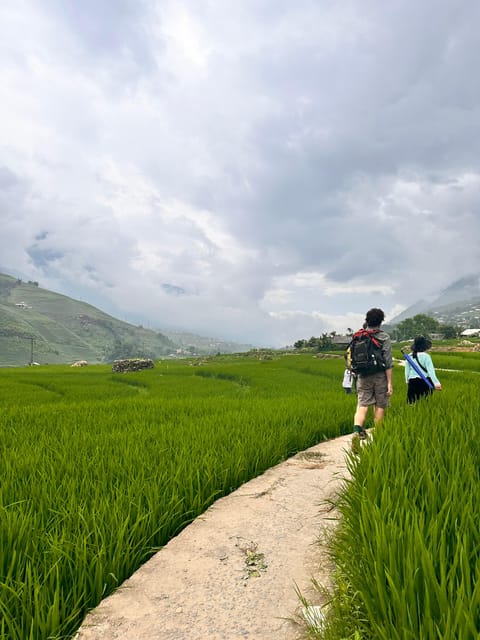
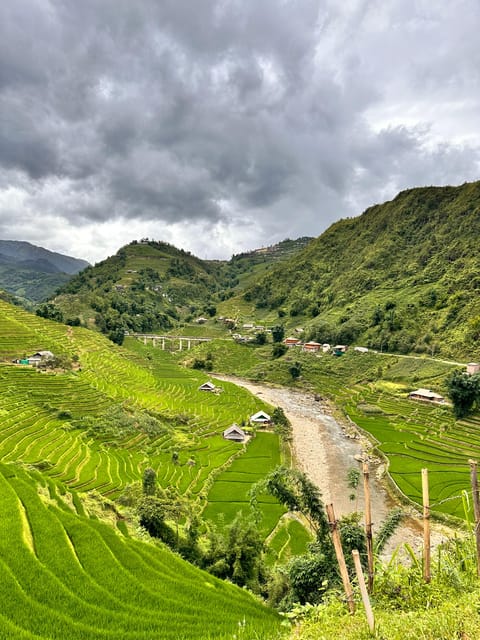
You reach Lao Chai and cross the hanging bridge over the Muong Hoa River. From there, the path rises into the mountains. The route is known for large rice terraces and views toward the Hoang Lien Son range.
This is likely the most rewarding day for people who came mainly for Sapa’s famous terraced fields. The route gives you several angles on the terraces rather than one quick roadside photo. You also continue through local communities, so the views remain connected to farming and village life.
The return to Sapa comes after the walk. Transportation back to Sapa is included after the tour ends in the village. Your large bags can be taken to the homestay, allowing you to trek with a smaller day bag. That is an important practical benefit. Carrying a full suitcase over steep paths would quickly spoil the experience.
More Waterfall Treks in Sa Pa:
- Bali: Munduk Waterfalls Trek, Twin Lakes and Temple Tour
★ 4.8 · 545 reviews - Khao Sok: Private Waterfalls and Wildlife Half-Day Trek
★ 4.5 · 337 reviews - Selogriyo Temple and Trekking Java Rice Terraces, hidden waterfall -Nature Java
★ 5.0 · 179 reviews - Ubud: Rice Terrace, Holy Water Temple & Waterfalls Trek Tour
★ 4.9 · 115 reviews
What $80 covers, and what it does not
At $80 per person, the price is strong for a three-day, two-night trip. You receive a local English-speaking guide for all three days, entry fees for eight villages, two nights of homestay accommodation, three lunches, two dinners, two breakfasts, one bottle of water per day, and transport back to Sapa.
The value comes from the number of items bundled together. You do not need to arrange separate village visits, meals, overnight stays, and return transport. The guide also helps you move through several communities without having to work out every trail connection yourself.
The package does not include personal travel insurance or extra drinks during the hikes. Plan to pay separately for bottled water beyond the included supply, beer, soft drinks, and any personal purchases.
The accommodation is a family homestay, not a hotel. The information does not specify room arrangements, bedding, or bathroom details, so ask before booking if those points are important to you. The homestay is best suited to someone who values local contact more than private facilities.
Who will enjoy this Sapa trek most
I would recommend this tour to you if you want several kinds of scenery in one trip: high viewpoints, rice terraces, village paths, bamboo forest, waterfalls, and mountain bridges. It also suits you if meeting a local family matters as much as taking photographs.
The three-day format gives the area more room than a single village walk. You spend enough time on the trail to see how the setting changes from open mountain views to farmland, forest, and riverside routes. You also sleep in the area rather than returning to Sapa each night.
Fitness matters. The walking totals vary from about 9 to 15 kilometers per day, and the routes include uphill and downhill sections. The tour is not suitable for people over 95 according to the provided information, but age is not the only consideration. You should be comfortable walking for several hours on uneven mountain paths.
Pack sunglasses, a sun hat, sunscreen, comfortable clothing, swimwear, and a change of clothes. Since weather and trail conditions can change, bring footwear suitable for dirt and wet sections. Keep your large bag ready for transport to the homestay, and use a small pack for water, clothes, and personal items.
A few points to clarify before you set out
The advertised highlights include Ban Ho and traditional Tày stilt houses, along with time in Nam Cang Valley. The detailed three-day route focuses mainly on Hau Thao, Su Pan, Giang Ta Chai, Ta Van, Lao Chai, and Y Linh Ho. Ask Dinh which villages are included on your particular departure, since the exact path may vary.
The guiding language is English and Vietnamese. Dinh is a local Hmong guide, and she may guide you herself or arrange for one of her sisters. Some trips also involve other members of the family, including a cousin who has guided portions of the route.
The activity offers free cancellation up to 24 hours before departure, with a full refund, and you can reserve now and pay later. Starting times depend on availability, though the described first-day meeting time is 9 a.m.
The tour has a 4.8 rating from 24 reviews. The strongest praise centers on the people, the welcoming homestay, the food, and Dinh’s energy. That matches the structure of the trip: the scenery gets you onto the trail, but the family contact gives the three days their character.
Should you book Dinh Sapa Trekking Adventures?
Book it if you want an active Sapa trip with a local Hmong family, several days of walking, and meals in a homestay setting. The price is especially good when you count the guide, village fees, meals, lodging, water, and return transport.
Think twice if you want polished accommodation, a fixed luxury schedule, or very easy walking. Before paying, confirm the current route, room setup, guide assignment, and whether Ban Ho or Nam Cang is part of your departure. For fit walkers who want Sapa beyond the main town, this is a practical and personal choice.
FAQ
How long does the Sapa trekking tour last?
The tour lasts three days and includes two nights at a family homestay.
What time does the first day begin?
The guide meets you at 9 a.m. at your hotel in Sapa or in front of Sapa’s main church.
How far do you walk each day?
Day one covers about 10 to 15 kilometers, day two about 9 to 11 kilometers, and day three about 9 to 13 kilometers.
Where do you sleep?
You spend two nights at Dinh’s family homestay, with the route listing Hau Thao and Ta Van as the overnight areas.
What meals are included?
The price includes three lunches, two dinners, and two breakfasts.
Is water included?
One bottle of water per person per day is included. Extra drinks during the hikes, including additional bottled water or beer, cost extra.
Which ethnic communities do you visit?
The experience includes Black Hmong villages, a Red Dao area, and traditional Tày stilt houses in Ban Ho as an advertised highlight.
Is transport back to Sapa included?
Yes. Transportation back to Sapa is included after the trekking ends in the village.
Can I cancel the tour?
You can cancel up to 24 hours in advance for a full refund. The activity also allows you to reserve now and pay later.
New treks around Sa Pa
- Sapa: 2-Day Local Guided Valley Trek with Night Homestay★ 5.0 · 27 reviews
- SAPA: 1-DAY TREKKING TOUR WITH LOCALS, LUNCH & RICE FIELDS★ 4.7 · 18 reviews
- Sapa: 2-Day Local Guided Valley Trek with Night Homestay★ 4.8 · 5 reviews
- Sa Pa: Fansipan Peak One Day Trek with Local Guide★ 5.0 · 7 reviews
- Red Dao Village Trek and Herbal Bath★ 4.7 · 3 reviews
- Private Hoang Lien National Park & Tribal Village Trek★ 4.7 · 30 reviews
- Sapa: Private Muong Hoa Valley and Homestay Trekking 2-Day★ 4.8 · 4 reviews
- From Sapa: Muong Hoa Valley View & Village Trek 1-Day★ 5.0 · 21 reviews
Waterfall Treks, side by side.

Bali: Munduk Waterfalls Trek, Twin Lakes and Temple Tour
Read our review →
Khao Sok: Private Waterfalls and Wildlife Half-Day Trek
Read our review →
Selogriyo Temple and Trekking Java Rice Terraces, hidden waterfall -Nature Java
Read our review →
Ubud: Rice Terrace, Holy Water Temple & Waterfalls Trek Tour
Read our review →
Trekking to Waterfall Adventure Tubing 45 mins. (Only Khao lak)
Read our review →
Chiang Mai: 2-Days Jungle Trek, Waterfalls and Karen Village
Read our review →
Wild Elephant Anakulam & Waterfalls Tour(munnar valley Trekking)
Read our review →
Tamanique Waterfalls Complex Trek + El Tunco Beach
Read our review →Lists this trek appears in