
Review · SAPA
From Sapa: Waterfalls, Trekking and Tribal Villages Tour
The best part of this Sapa day trip comes after the waterfalls, when the road gives way to a mountain trail through rice paddies, corn fields, bamboo, and villages. You get a closer look at Hmong and Red Dzao life than you do on a quick roadside stop, with lunch in a local home along the way.
I like the mix of dramatic waterfalls and quiet village paths, and I like that guides such as Lisa, Cu, Lan, Sue, and A have brought warmth, stories, and route choices to the day. The main caution is the walking distance: the planned trek is about 15 kilometers, and some outings have included a longer total route. This is not a gentle stroll for everyone.
Key points
- Silver and Love Waterfalls: Two very different waterfall stops in Hoang Lien National Park, with Silver Waterfall reached by a longer walk.
- Tram Ton Pass views: A high mountain viewpoint visited before the trek begins.
- Four hours on foot: Walk from Ban Khoan toward Ta Phin through rice paddies, corn fields, bamboo, and village paths.
- Local lunch: Stop for a picnic meal prepared by a local host, with vegan food accommodated on request.
- Hmong and Red Dzao culture: Learn about textile work, traditions, stories, and daily life from an English-speaking local guide.
- Small-group format: Groups are limited to 15 people, with hotel pickup, private car transfers, water, entrance fees, and a guide included.
Two waterfalls before the mountain trail
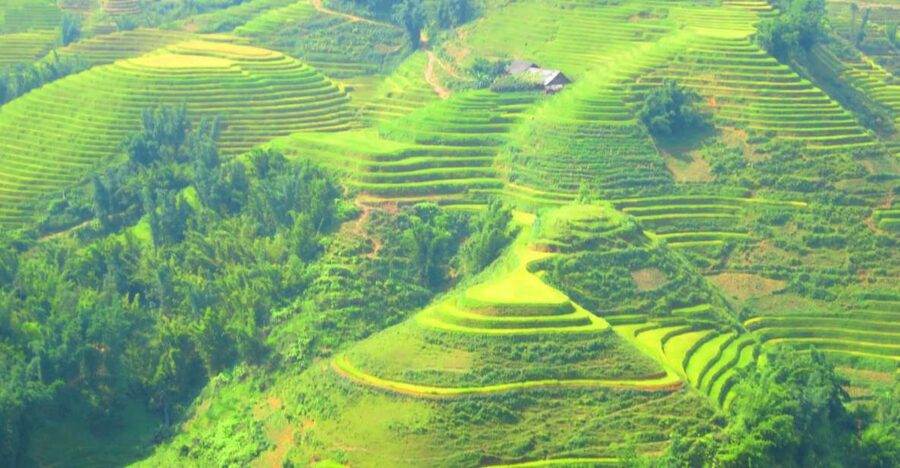
Your guide and driver pick you up in Sapa Town, then drive about 30 minutes toward Hoang Lien National Park. This short transfer quickly changes the setting from town streets to high mountain scenery.
Silver Waterfall is the first major stop. The waterfall requires a walk, including a longer approach according to the route descriptions, so you do not simply step out of the car and take one photograph. After heavy rain, the flow can be especially powerful. The walk also gives you a chance to stretch your legs before the longer trek.
Love Waterfall follows, and it offers another view of the area’s mountain water and forest. Conditions matter here. One outing had impressive water after recent rain, while another took place in fog that softened the views. Rain can make the waterfalls more dramatic, but it can also make paths wet and reduce distant visibility.
These stops are a good reason to choose this tour instead of a village trek alone. You get two major natural sights before spending most of the day on foot. The trade-off is time. Every waterfall visit adds walking and transport time, so the trek itself may feel shorter than the headline suggests.
More Waterfall Treks in Vietnam
- Sapa3D2N TrekkingAdventures,Valleys,Bambooforest,Waterfall
★ 4.8 · 24 reviews - Trekking Tour to Hidden Waterfall & Sturgeon Farm for dog-lovers
★ 5.0 · 67 reviews - Trekking to Hidden Waterfall & Sturgeon Farm for dog-lovers
★ 4.8 · 43 reviews
Tram Ton Pass and the change in scenery
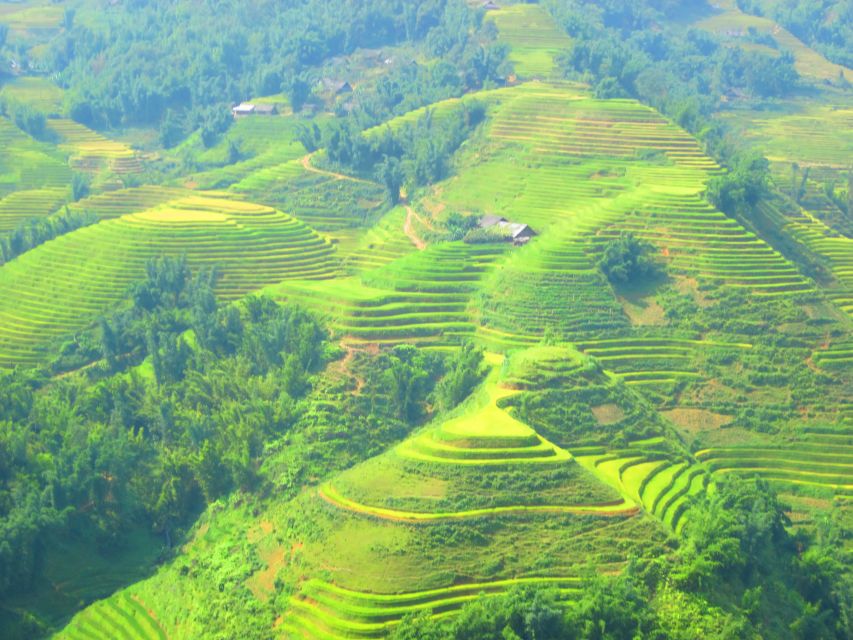
The drive also reaches Tram Ton Pass, one of the memorable mountain viewpoints near Sapa. The pass gives you a sense of the high country before you leave the main road.
Fog is common enough to affect the experience. On a clear day, you can expect broad mountain views and a better look at the surrounding ridges. On a cloudy day, the pass and rice fields may appear and disappear in the mist. Bring a raincoat even if Sapa looks dry when you leave.
This part of the morning works best as a scenic introduction rather than a long stop. You look, take photographs, and continue toward Ban Khoan. The day becomes more personal once you leave the tourist route and begin walking between villages.
Ban Khoan is where the real walk begins
From Ban Khoan, the route heads along mountain trails toward Ta Phin Village. The planned trek is around four hours and 15 kilometers, though the full day includes the waterfall walks and vehicle transfers. One account describes roughly 17 kilometers of trekking when the waterfall walking is counted separately, so you should clarify the exact route with your guide at the start.
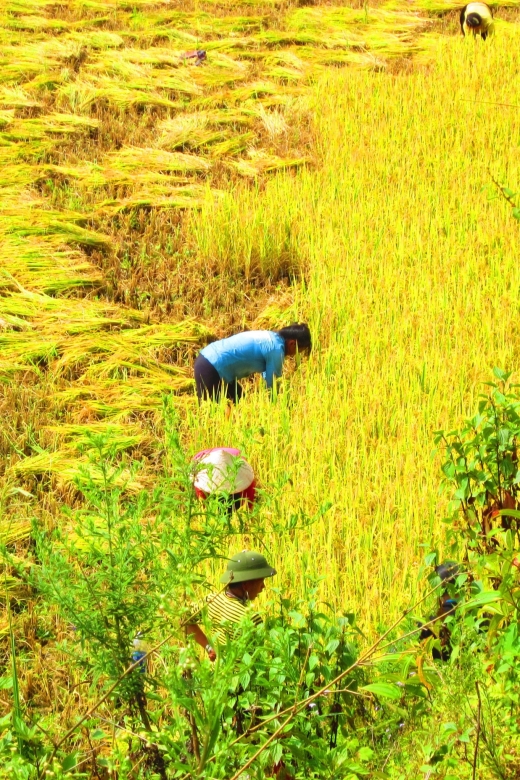
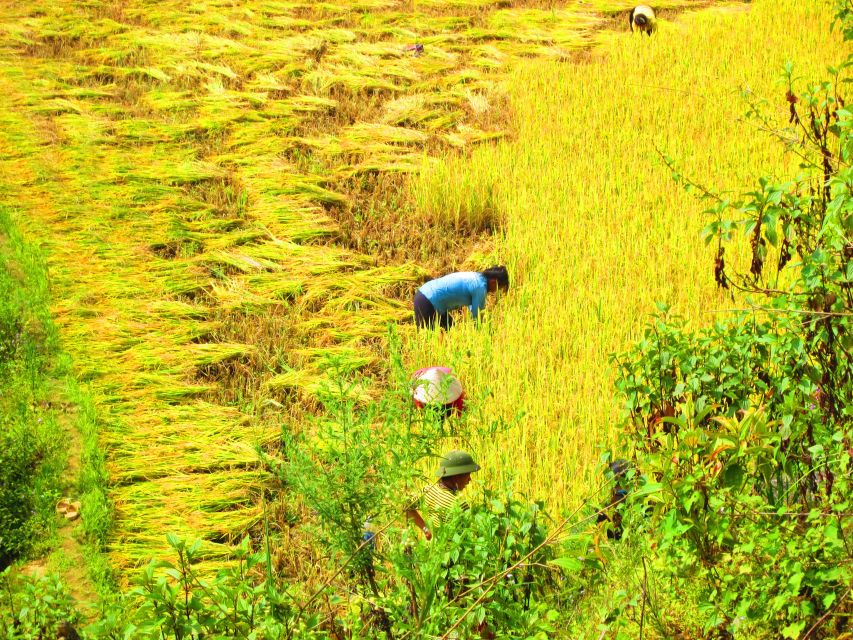
The terrain is not described as technical, but it is not flat. You walk up and down through rice paddies, village paths, corn fields, and a bamboo forest. One especially pleasant section runs between villages through corn and bamboo, away from the main road and the usual stop-and-shop route.
This is the kind of walking that rewards sturdy shoes. Mud, uneven ground, and changing weather are realistic possibilities. The route was called moderately difficult, and one outing took longer than four hours. If you are fit enough for a half-day mountain walk, you should find the route manageable at a steady pace. If you rarely hike, the distance and climbs may feel demanding.
The guides can help shape the pace and route. A guide named A gave participants a choice of route and added different scenery to the walk. Lan was praised for setting a comfortable pace and offering choices. That flexibility matters because fog, rain, heat, and group fitness can change the best plan for the day.
Rice paddies, bamboo, and villages without a stage
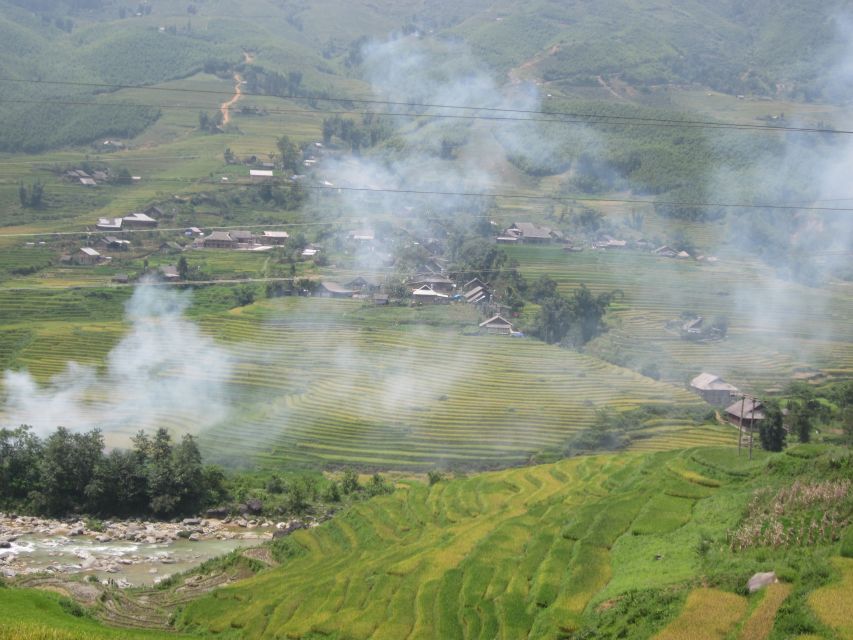
The strongest cultural part of this outing is the time spent walking between villages. You pass through rice fields and mountain settlements, rather than simply stopping at a market or a shop designed for quick visits.
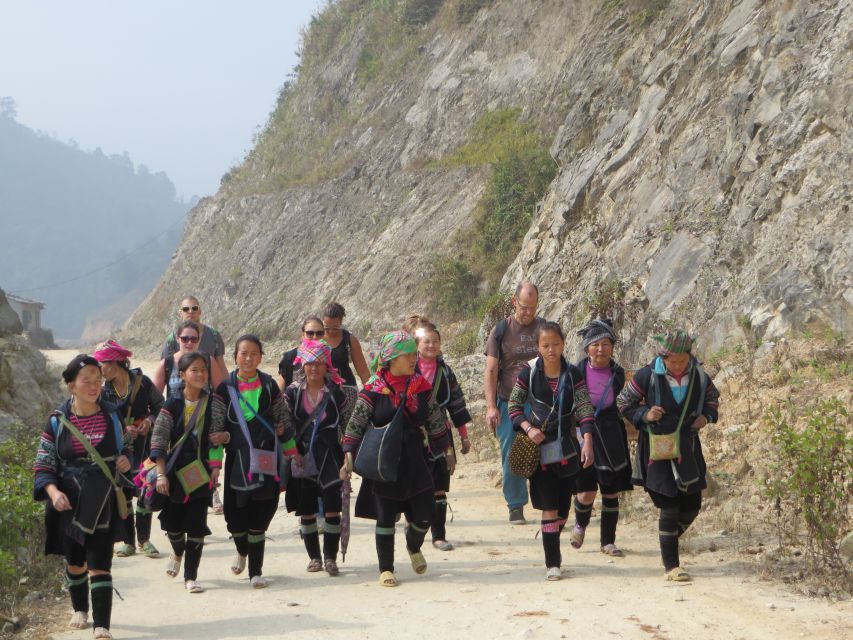
The route includes contact with Hmong and Red Dzao communities. Your guide explains local customs, textile work, family life, and stories passed down through generations. Lisa, in particular, has been noted for sharing Hmong traditions and village stories in clear English. The cultural information is not an added lecture at the end of the day. It comes as you walk through the places where people live and work.
That setting gives the visit more meaning, but you should keep your expectations sensible. This is not a homestay or a full workshop program. The main activity in the village section is walking, listening, looking, and eating lunch. One outing included no formal village activity beyond lunch and conversation. If you want hands-on textile instruction or a longer home visit, ask before booking.
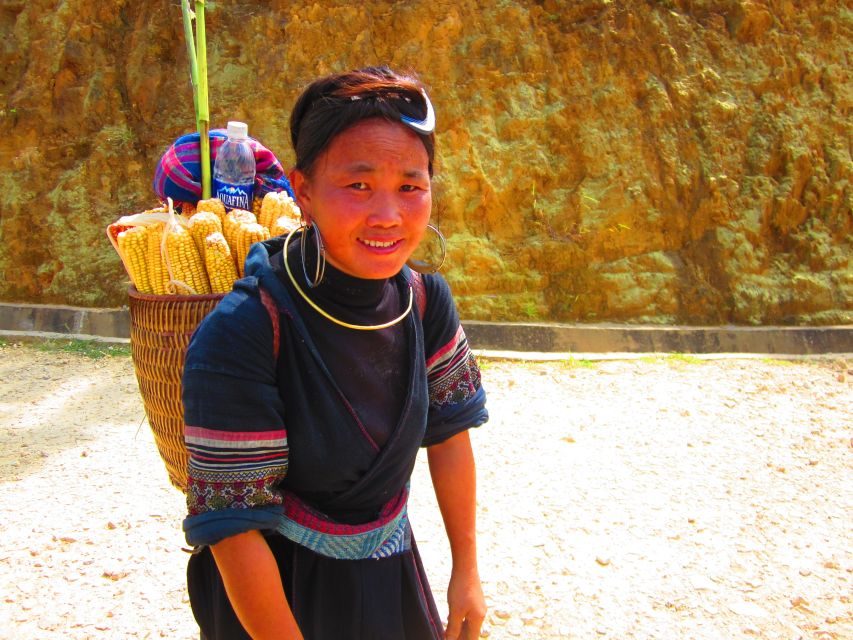
You may also encounter local textile work and traditional clothing. These details are worth noticing, but the experience should not be reduced to photographs. A good guide helps explain what you are seeing and gives you context without turning the village into a performance.
More Waterfall Treks in Sa Pa:
- Bali: Munduk Waterfalls Trek, Twin Lakes and Temple Tour
★ 4.8 · 545 reviews - Khao Sok: Private Waterfalls and Wildlife Half-Day Trek
★ 4.5 · 337 reviews - Selogriyo Temple and Trekking Java Rice Terraces, hidden waterfall -Nature Java
★ 5.0 · 179 reviews - Ubud: Rice Terrace, Holy Water Temple & Waterfalls Trek Tour
★ 4.9 · 115 reviews
A picnic lunch with local hosts
Lunch is taken along the route, with food prepared by a local host. It gives you a proper pause after the morning’s walking and a chance to sit with the people connected to the village.
The meal has been described as a generous local spread, while another outing included sandwiches. That suggests the lunch style may vary with the route, season, or group. Vegan food has been accommodated, but you should state dietary needs when booking and remind your guide at pickup.
The picnic is included in the $72 price, along with two bottles of mineral water per person. Bring extra water if you know you drink a lot during exercise. A small daypack is useful for personal items, sunscreen, insect repellent, and rain gear.
Lunch is not only a practical break. It is also one of the better chances to ask questions about daily life in the area. Since you are already walking through local villages, the meal feels connected to the day rather than added as a separate tourist stop.
Ta Phin and the Red Dzao connection
The walk continues toward Ta Phin Village, associated here with the Red Dzao community. This is the final village area before you meet the driver for the return to Sapa.
Ta Phin is a useful endpoint because the day has moved from high waterfalls and a mountain pass into cultivated fields and village life. You finish with a better sense of how the different parts of the region fit together. The contrast is clear: the morning is about big natural sights, while the afternoon is about paths, homes, fields, and people.
Do not assume the final village stop means a long free period. The full activity is listed at five hours, and the route is tightly arranged around the waterfall visits, trekking, lunch, and return transfer. Some outings have spent about three hours walking after the initial vehicle drop-off, while others have taken close to five hours for the trek. Your exact timing may shift with weather, pace, and the chosen route.
How difficult is the trekking?
The most important booking question is your comfort with distance. The main route is described as four hours and 15 kilometers, with reviews also reporting longer totals when the waterfall walks are included. You climb and descend, walk on mountain trails, and spend much of the day outdoors.
You should bring:
- Hiking shoes with good grip
- Comfortable clothes that can get wet or muddy
- A small daypack
- Sunscreen and insect repellent
- A raincoat and sun hat
- Warm layers from November through March
Dress for changing conditions rather than one fixed temperature. Waterfall areas can feel cool and foggy, while walking through fields can become warm. One useful tip from the route is not to overdress for the trek. You may start in cool weather and soon work up a sweat.
This tour is likely a good fit if you want a real half-day walk but do not need a technical hike. It is less suitable if you want a short, easy outing with long periods in the car. Children, older participants, and anyone with limited mobility should judge the distance and uneven paths carefully, since no accessibility details are provided.
Guides make the difference
The guide is central to this experience. You are not only being led from one stop to another. You are relying on the guide for route choices, pace, cultural explanation, meal coordination, and communication with local hosts.
Several guides have received strong praise for being friendly, clear, and helpful. Lisa has been associated with excellent English and stories about Hmong traditions. Cu has been appreciated for an easy pace, good conversation, and a route that included corn fields and bamboo. Lan has offered facts, stories, and choices during the walk. Sue kept a foggy day interesting and helped with photographs. A allowed the route to be adjusted for different scenery.
Guide assignments can change, so you should not book solely to meet one named person. The useful point is that the guide style can shape the whole day. Ask for a pace that suits your group, and tell the guide early if you need a shorter route or a different balance between scenery and village time.
There has also been an organizational concern with confirmation. One booking had been confirmed in advance, but the local agency did not appear to have the reservation properly recorded when called the day before. Because of that, I would reconfirm pickup details shortly before the tour.
Is $72 a fair price?
At $72 per person, this is not the cheapest way to see the Sapa area, but the package includes a lot for a half-day outing: hotel pickup in Sapa Town, private car transfers, an English-speaking guide, entrance fees, lunch, and two bottles of water.
The value is strongest if you want variety. You are paying for waterfalls, Tram Ton Pass, a guided mountain route, cultural interpretation, lunch, and the transport needed to connect them. Arranging all of those stops yourself would take more planning, and you would lose the local guide’s help on the village route.
The value is weaker if you mainly want a long trek. Because the waterfalls and transfers take part of the schedule, the walking portion may not feel like a full five-hour hike. If trekking is your only priority, compare this with a route built around a longer village walk.
Groups are limited to 15 people, which is small enough for questions but not necessarily private. Private tours have also been arranged, and they may suit you better if you want more control over pace, route, or meal timing.
Free cancellation is available up to 24 hours before departure, and you can reserve now and pay later. Hotel accommodation, insurance, and bus or train tickets are not included.
Who should book this Sapa excursion?
I would choose this tour if you want one compact outing that combines Sapa’s famous waterfalls with a more grounded village walk. It suits people who enjoy scenery but also want to understand the Hmong and Red Dzao communities through a local guide.
You should book it if:
- You can handle several hours of uneven walking.
- You want a guide to explain local culture and traditions.
- You like small groups rather than a large coach tour.
- You want lunch and transport included.
- You are happy for the route and views to depend on weather.
I would look elsewhere if you want a very easy walk, a guaranteed clear mountain view, or a full-day cultural workshop. The route can be foggy, the trekking distance can vary, and the day is more active than the five-hour label first suggests.
For most fit visitors, this is a strong way to combine Sapa’s natural sights and village life without spending several days away from town. Confirm the pickup, wear proper shoes, and treat the walking distance seriously. Do that, and the $72 package offers a useful mix of scenery, exercise, food, and cultural contact.
FAQ
How long does the tour last?
The activity is listed as five hours. The trekking section is described as about four hours and 15 kilometers, but the total walking distance may be longer when the waterfall walks are counted.
Where does pickup take place?
Pickup is included from your hotel lobby in Sapa Town.
Which waterfalls are included?
The tour visits Silver Waterfall and Love Waterfall in Hoang Lien National Park. It also stops at Tram Ton Pass.
Which communities do you visit?
The route includes contact with Hmong and Red Dzao communities. The walk finishes at Ta Phin Village, associated with the Red Dzao people.
Is lunch included?
Yes. A picnic lunch is included, along with two bottles of mineral water per person. Vegan food has been accommodated, but you should request dietary arrangements in advance.
What should I bring?
Wear comfortable clothes and hiking shoes. Bring insect repellent, sunscreen, a raincoat, sun hat, and small daypack. From November through March, bring warm clothing.
New treks around Sa Pa
- Sapa: 2-Day Local Guided Valley Trek with Night Homestay★ 5.0 · 27 reviews
- SAPA: 1-DAY TREKKING TOUR WITH LOCALS, LUNCH & RICE FIELDS★ 4.7 · 18 reviews
- Sapa: 2-Day Local Guided Valley Trek with Night Homestay★ 4.8 · 5 reviews
- Sa Pa: Fansipan Peak One Day Trek with Local Guide★ 5.0 · 7 reviews
- Red Dao Village Trek and Herbal Bath★ 4.7 · 3 reviews
- Private Hoang Lien National Park & Tribal Village Trek★ 4.7 · 30 reviews
- Sapa: Private Muong Hoa Valley and Homestay Trekking 2-Day★ 4.8 · 4 reviews
- From Sapa: Muong Hoa Valley View & Village Trek 1-Day★ 5.0 · 21 reviews
Waterfall Treks, side by side.

Bali: Munduk Waterfalls Trek, Twin Lakes and Temple Tour
Read our review →
Khao Sok: Private Waterfalls and Wildlife Half-Day Trek
Read our review →
Selogriyo Temple and Trekking Java Rice Terraces, hidden waterfall -Nature Java
Read our review →
Ubud: Rice Terrace, Holy Water Temple & Waterfalls Trek Tour
Read our review →
Trekking to Waterfall Adventure Tubing 45 mins. (Only Khao lak)
Read our review →
Chiang Mai: 2-Days Jungle Trek, Waterfalls and Karen Village
Read our review →
Wild Elephant Anakulam & Waterfalls Tour(munnar valley Trekking)
Read our review →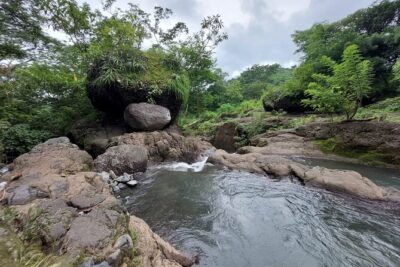
Tamanique Waterfalls Complex Trek + El Tunco Beach
Read our review →Lists this trek appears in