
Review · INDONESIA
Sidemen Trekking: A Walk from a Different Perspective
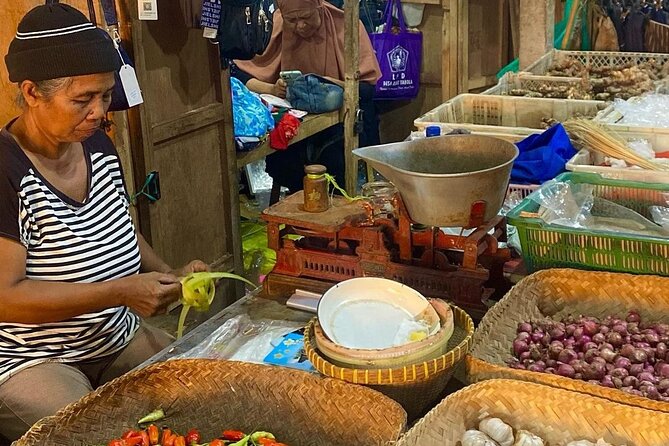
Sidemen’s best scenery is not seen from a car window. This two-hour walk takes you from the morning market into rice fields, village lanes, irrigation channels, and working farms, with Mount Agung often appearing beyond the terraces. It is a look at Bali as a lived-in place, not just a backdrop for photographs.
I like the local guides, including Adi, Daria, Adidas, and Wayan, who explain farming and village life in clear, friendly English. I also like the one-way route, which keeps the scenery changing instead of sending you back over the same path. The main catch is footing: narrow rice-field paths can be slippery, and this is not a good choice if you have low fitness, balance problems, or need a completely flat walk.
Key details of the Sidemen walk
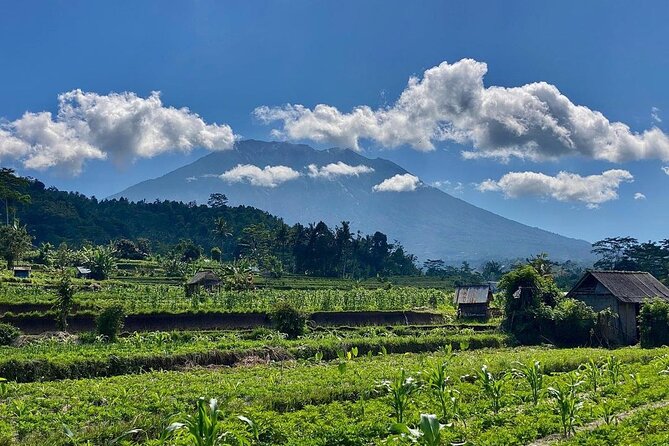
- Walk from market to rice terraces: Begin at Pasar Sidemen and finish in Ogang Village, rather than retracing your steps.
- See working agriculture: Watch local farmers plow, plant, cultivate, and harvest rice, along with other crops growing between the fields.
- Cross the Yellow Bridge: Jembatan Kuning Tukad Yeh Unda is a memorable stop, though it may feel slightly shaky as motorbikes and people use it.
- Learn about Subak irrigation: The guide explains the traditional water system that supports Sidemen’s rice farming.
- Small-group format: Groups are limited to 10 people, with an English-speaking guide and bottled water included.
- Strong value at $13: The price covers two hours of guiding through places that would be difficult to find and understand on your own.
Why Sidemen feels different from Ubud
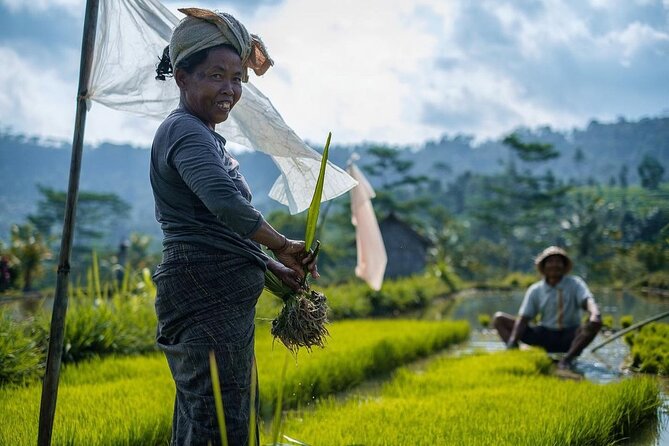
Bali’s rice terraces can become a quick photo stop in more visited parts of the island. Sidemen offers a quieter look at how those terraces work. The fields are not simply arranged for viewing. They are farms, crossed by narrow ridges and fed by channels that carry water from higher ground.
That distinction matters. You are not only looking at green paddies from a viewpoint. You are walking beside farmers and seeing the practical work behind the scenery. Depending on the season, you might see plowing, planting seedlings, tending crops, or preparing rice for harvest.
The walk also reaches places you would probably miss by following the main road. The route passes through village lanes, past a local temple, beside irrigation channels, and into fields bordered by tall grass and mixed plantings. A local guide gives these details meaning. Without one, you could admire the view but miss why the water flows where it does or how the fields are organized.
I particularly like that the route is designed as a continuous walk. You start near Sidemen Market and finish at Warung Ume Anyar in Ogang Village. That gives you a broader sense of the area and avoids the dull business of returning along the same track.
More treks around Indonesia:
- Bali: Mount Batur Sunrise Trek With Guide and Breakfast
★ 4.8 · 3,461 reviews - Mount Batur Sunrise Trekking Private All Inclusive
★ 5.0 · 906 reviews - Mount Batur Sunrise Trekking Private Tour with Breakfast and Hotel Transfer
★ 5.0 · 885 reviews
Starting at Pasar Sidemen and Upa Boga
The meeting point is at Pasar Sidemen, on the main road, near the shop marked Upa Boga. Look for the sign and wait there for the guide. The start is simple, but it helps to arrive with enough time to identify the shop rather than wandering around the market looking for a group.
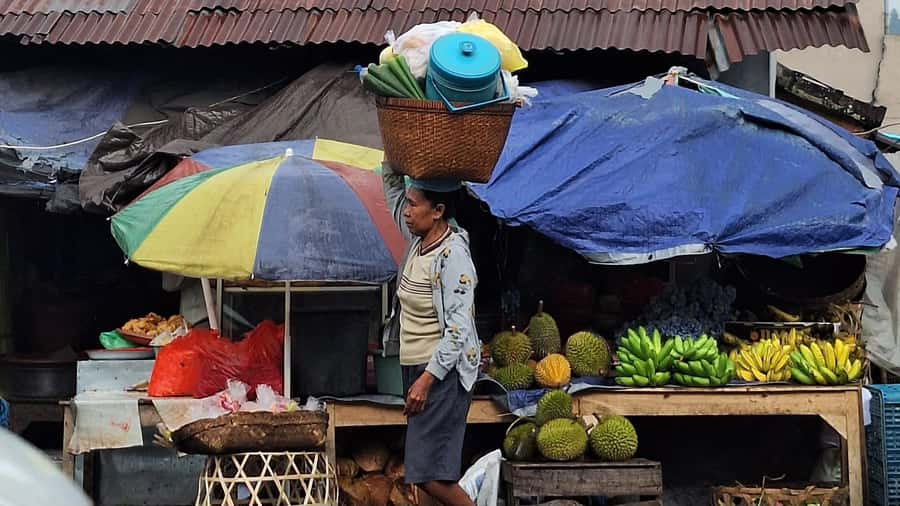
Pasar Sidemen is open from 5:00 AM to 10:00 AM. If you book a morning departure, you can spend about 10 minutes looking through the food market before the walk begins. This is a useful addition if you want to see local produce and the early rhythm of the village.
Do not assume every start time includes the market. Later walks take you straight into the route after meeting the guide. If the market matters to you, choose a morning session.
The market visit is short, so think of it as an introduction rather than a full food tour. You will have a quick look before walking uphill toward the fields. Wear your walking shoes from the start, since the easy market section soon gives way to uneven village streets and paths.
From village streets to the first field views
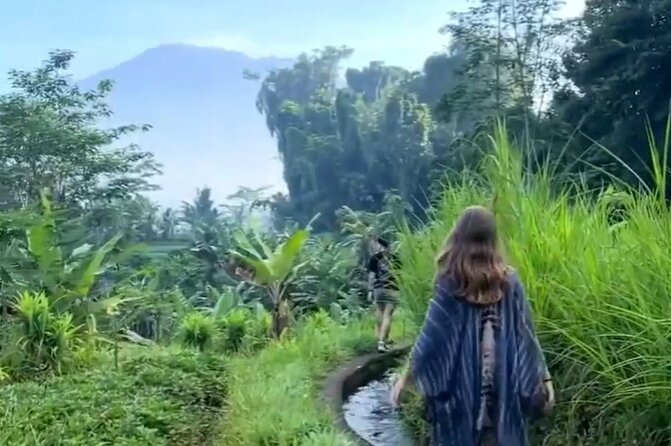
The first part leads through Sidemen village and toward the rice paddies. There are viewpoints where you can look across the terraces from above, and the guide usually pauses for photographs. This is a good moment to settle into the pace and see how the homes, shrines, farms, and roads fit together.
The route is not a hard mountain hike, but it is not a polished walkway either. It rises and falls along village streets before moving back into the fields. A calm pace makes a difference, especially if you want time to stop, listen, and ask questions.
Guides such as Adidas and Daria have been praised for taking photographs at good viewpoints and helping people get through the route safely. That is useful for couples and solo visitors who want more than a quick phone snapshot. The guide also helps you keep moving on the narrow sections without turning the walk into a race.
As you pass through the village, you may see a temple used by local residents for prayer. It is not presented as a grand monument with a long sightseeing program. Its value is that it is part of the community you are walking through. Treat it as a place of worship, follow your guide’s instructions, and keep the tone respectful.
Following the water through Subak Ogang
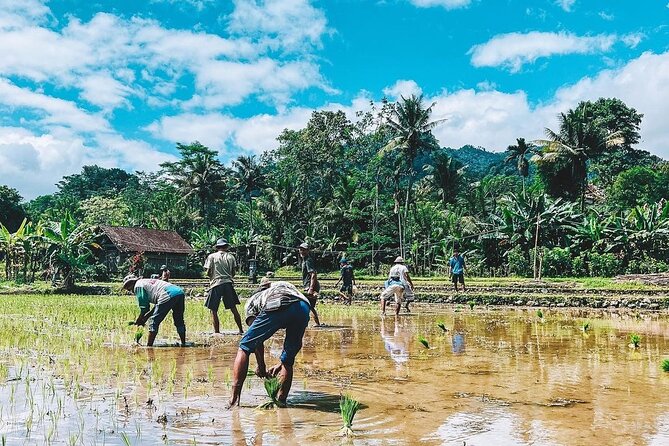
One of the most worthwhile parts of the walk is learning about the Subak irrigation system. Subak is the traditional system used to manage water for rice fields, and the route passes through Subak of Ogang.
The guide can show you how water moves from higher ground through channels and into the paddies. This turns the rice terraces from a pretty pattern into an organized farming system. You begin to notice the raised edges of each plot, the small waterways, and the way one field depends on another.
The tour description says the route follows irrigation water coming from the direction of Mount Agung. The mountain may be visible from several points, depending on weather and the view through the fields. Clear conditions can produce fine views across the valley, but you should not book this walk only for a guaranteed mountain photograph. The farming and village sections remain worthwhile if clouds cover the summit.
Mixed planting is another feature of this section. The walk is not limited to rice. You may see a variety of crops and native plants along field edges and village paths. Guides have pointed out local plants and wildlife, adding small details that are easy to overlook when walking alone.
Same mountains, a different route up:
- Private Mount Batur Sunrise Trekking Tour
★ 5.0 · 634 reviews - Mount Batur Sunrise Trekking (Private Tour and Breakfast at Restaurant)
★ 5.0 · 598 reviews - Bali: Munduk Waterfalls Trek, Twin Lakes and Temple Tour
★ 4.8 · 545 reviews - Private Tour Mount Batur Sunrise Trekking and Natural Hot Spring
★ 5.0 · 431 reviews
Crossing Jembatan Kuning Tukad Yeh Unda
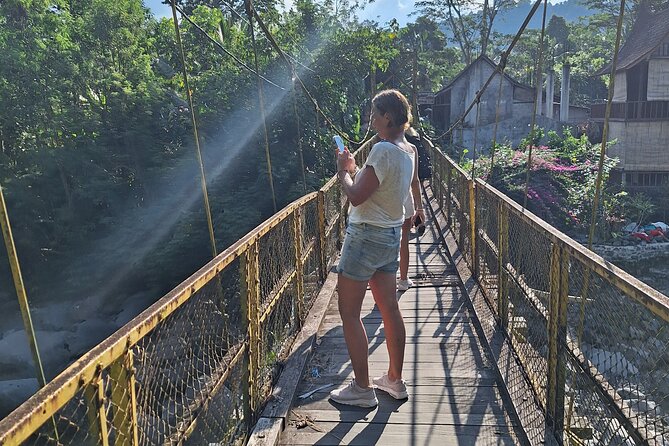
The Yellow Bridge, or Jembatan Kuning Tukad Yeh Unda, is one of the route’s memorable landmarks. You stop for photographs and cross a wooden bridge used by both people and motorbikes.
It is described as suitable for motorbikes and pedestrians, but it may feel slightly shaky underfoot. That is part of the character of the route, not a sign that you are entering a serious climbing section. Still, keep your attention on the bridge, especially if you are carrying a camera or walking with children.
This is one place where the guide’s presence is useful. The group crosses together, and the guide can help you find a comfortable pace. Do not expect a quiet wilderness crossing, since the bridge serves local residents. That everyday use is exactly what makes it interesting.
Through Dukuh Village and local working farms
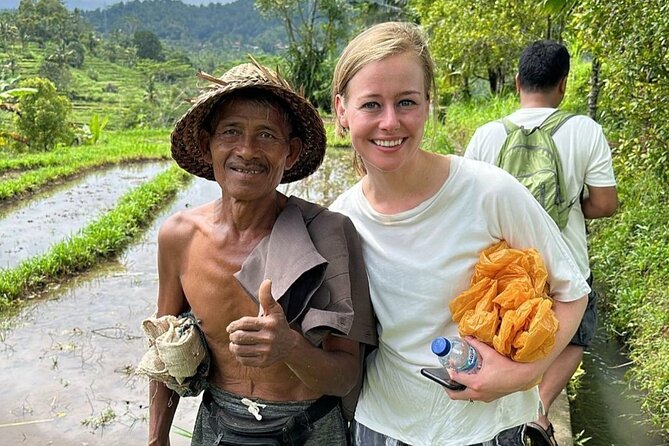
After the bridge, the walk continues through Dukuh Village. The route alternates between village paths and rice fields, with more gentle ups and downs. This section gives you a close look at homes, small roads, shrines, plants, and the ordinary movement of village life.
The guides’ strongest role here is interpretation. Adi, Adidas, Daria, Wayan, Komang, and other local guides have been praised for explaining Sidemen’s past, farming methods, local crops, customs, and even some of the practical issues tied to agriculture. Their local connection helps turn passing sights into useful information.
You may see farmers plowing, preparing soil, planting seed, caring for growing rice, or bringing in a crop. Farming changes with the season, so no single task can be promised on every departure. The wider point is that the fields are active workplaces, not decorative terraces.
You will also walk on narrow ridges between paddies. These paths can be slippery after rain, and tall grass may brush your legs. One useful tip is to wear long trousers if you are comfortable doing so, since insects and red ants can appear along the route. Good grip matters more than fashionable footwear.
Babakan Dukuh Rice Terrace and the final stretch
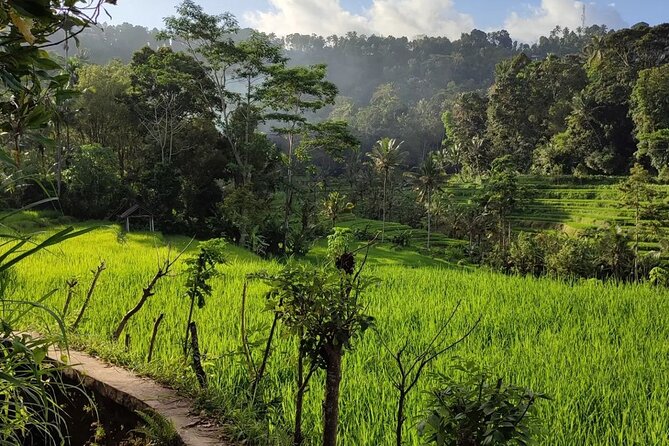
The Babakan Dukuh Rice Terrace is the longest stop, with about 45 minutes set aside for walking, sightseeing, and photographs. This is where the route feels most like a proper field walk. You move through the paddies rather than simply viewing them from a road.
The views can open across the valley toward Mount Agung. The strongest photographs often come from looking back across the layered fields, village roofs, and rising ground. Your guide can point out places to stop and may take photos for you.
The path is narrow, so this is not a place to wander while staring at your phone. After rain, some sections may be slick. Take the guide’s pace and use your arms for balance. The walk is generally described as relaxing, but you need enough coordination to manage uneven ground.
The route ends at Warung Ume Anyar Restaurant in Ogang Village. This is important for planning. You do not finish where you started, and hotel pickup is not included. Arrange a driver in advance and ask to be collected at the restaurant around two to two and a half hours after the start time.
If you need to return to the meeting point on foot, the main road route is about 3 kilometers and takes roughly 30 to 40 minutes. That is possible, but after walking through the fields you may prefer a prearranged ride.
How difficult is this two-hour trek?
The word trekking may suggest a demanding mountain outing, but this is better understood as a countryside walk with uneven sections. You will walk uphill and downhill, cross narrow rice-field edges, use village streets, and deal with mud or slippery ground if the weather is wet.
The activity is listed as unsuitable for children under five, pregnant women, people with heart problems, people over 60, and anyone with a low fitness level. A six-year-old has completed the route with careful help from a guide, but that does not mean the walk suits every child. The key issue is balance and confidence on narrow paths.
Bring:
- Hiking shoes or sports shoes with solid grip
- Sunglasses and a hat
- Sunscreen
- Water, although one bottled water is included
- A raincoat if the forecast looks unsettled
Do not wear sandals or flip-flops. They offer poor protection and little grip on narrow, wet paths.
What the $13 price really buys you
At $13 per person, this is inexpensive for a two-hour guided activity. The value is not in luxury transport or elaborate facilities. Hotel pickup is not included, and you need to arrange your own ride to and from the route.
The money pays for a local English-speaking guide, route-finding, cultural explanation, and bottled water. That matters because the rice-field paths are not obvious, and the best route is a one-way connection through several parts of Sidemen. You might manage a short walk alone, but finding the complete route through the paddies, villages, bridge, and Subak area would be difficult.
Groups are limited to 10 people. That is small enough for questions and a reasonable walking pace, though a private walk may be available through the provider for some bookings. The guide names most often associated with warm, informative outings include Adi, Adidas, Daria, Wayan, Gede, and Komang. The exact guide depends on the departure.
Free cancellation is available up to 24 hours before the activity, and you can reserve without paying immediately. Those terms are useful if your Bali plans are still shifting, but the practical detail not to overlook is transport from the finish point.
Who will enjoy this Sidemen experience?
I would choose this walk if you want to understand how Sidemen works, not just photograph it. It suits you especially well if you enjoy farming, village life, plants, local customs, and quiet outdoor activities.
It is also a strong choice after spending time in Ubud or other busy parts of Bali. The rice fields here offer a less polished and more everyday setting. You will not find staged photo spots, flowing dresses, or a long list of formal attractions. You get field paths, working farms, local homes, and views earned by walking.
The tour is less suitable if you want a fully paved route, a strenuous summit hike, a food-focused market tour, or guaranteed clear views of Mount Agung. It is also not ideal if you dislike mud, insects, narrow paths, or arranging your own transport.
Should you book the Sidemen walk?
Book it if you are staying in Sidemen or nearby and want a low-cost way to see the area with context. The strongest reasons are the local guides, the changing one-way route, the close look at rice farming, and the chance to walk through places you would probably not find alone.
Before booking, check three things: your fitness, your footwear, and your ride from Warung Ume Anyar. If all three are in order, this is one of Bali’s better-value short walks. It gives you scenery, farming, culture, and a useful sense of daily life in Sidemen without taking up a full day.
FAQ
Where does the Sidemen trekking tour start?
It starts at Pasar Sidemen, the traditional market on the main road. Look for the shop with the sign Upa Boga, where the guide will meet you.
Where does the walk finish?
The route ends at Warung Ume Anyar Restaurant in Ogang Village. It does not return to the market.
How long does the walk take?
The activity lasts about two hours. You should arrange pickup around two to two and a half hours after the walk begins.
Is hotel transportation included?
No. Hotel pickup and drop-off are not included. Arrange transport to the meeting point and a ride from Warung Ume Anyar in advance.
Can I visit Pasar Sidemen before the trek?
Yes, if you book a morning departure. The market is open from 5:00 AM to 10:00 AM, and the planned market visit lasts about 10 minutes.
What should I wear?
Wear hiking shoes or sports shoes with good grip. Bring sunglasses, a hat, and sunscreen, and consider a raincoat. Sandals and flip-flops are not allowed.
Is the trek suitable for everyone?
No. It is not suitable for children under five, pregnant women, people with heart problems, people over 60, or people with a low level of fitness. Narrow and sometimes slippery paths require reasonable balance.
New treks around Indonesia
- Pergasingan Hill Trek: Unveiling the Beauty of Sembalun★ 5.0 · 5 reviews
- Padang: Lubuk Hitam Waterfall Guided Trekking Tour★ 5.0 · 2 reviews
- Oke Rinjani 2-Day Trek – Summit senaru Climb & Amazing Views★ 5.0 · 3 reviews
- North Bali: Explore Munduk Waterfall Trekking Experience★ 4.9 · 12 reviews
- Munduk Jungle Trek: Twin Lakes View, Temple and Waterfall★ 5.0 · 2 reviews
- Munduk : Jungle Trekking,Canoeing,waterfall &authentic lunch★ 5.0 · 10 reviews
- Mt. Merapi Majesty: Soft Trek and Botanic Village Tour★ 5.0 · 5 reviews
- Munduk Jungle Trek to Banyumala & Pucak Manik – Private★ 5.0 · 29 reviews
Indonesia Trekking Tours, side by side.
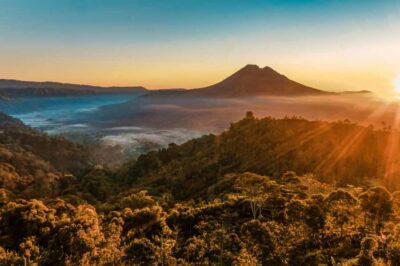
Bali: Mount Batur Sunrise Trek With Guide and Breakfast
Read our review →
Mount Batur Sunrise Trekking Private All Inclusive
Read our review →
Mount Batur Sunrise Trekking Private Tour with Breakfast and Hotel Transfer
Read our review →

Bali: Munduk Waterfalls Trek, Twin Lakes and Temple Tour
Read our review →
Private Tour Mount Batur Sunrise Trekking and Natural Hot Spring
Read our review →
3-Day Ethical Orangutan Jungle Trek | Bukit Lawang, Sumatra
Read our review →
Lists this trek appears in