
Review · RISHIKESH
Har Ki dun Trek by Himalaya Shelter
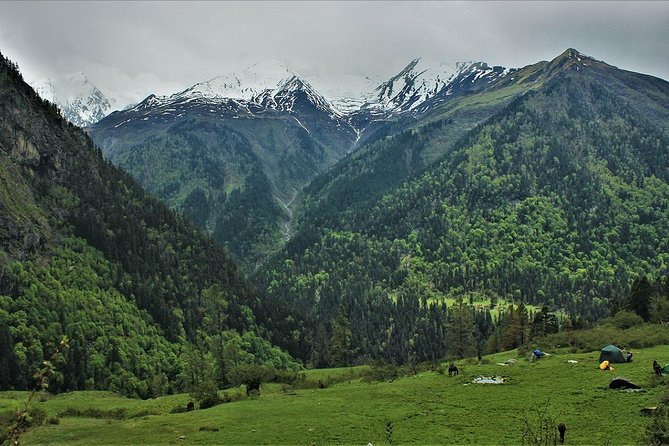
Har Ki Dun gives you a rare Himalayan mix: remote valley walking, snow peaks, and living mountain villages without asking you to organize every piece yourself. Himalaya Shelter handles the long Dehradun transfers, cooks meals in camp, supplies tents and sleeping gear, and guides you through the route.
I like two things right away. First, the small-group limit of 11 keeps the trek personal rather than turning it into a marching line. Second, the practical inclusions are strong: transport, meals, camping equipment, forest fees, and guides are covered. The main catch is the long eight-hour road journey each way and a demanding high-altitude day to Har Ki Dun and Marinda Tal.
Key points to know before booking
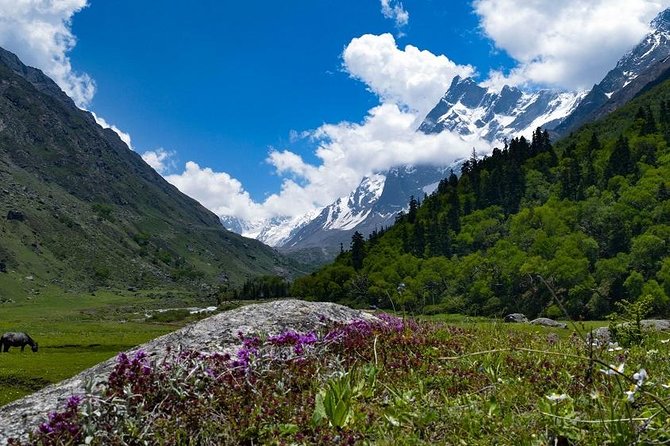
- Har Ki Dun reaches 3,510 meters, with the optional Marinda Tal outing rising to 3,794 meters.
- Day 4 is the big test, with a climb from Kalkatidhar to Har Ki Dun and Marinda Tal before returning to camp.
- Sankri and Osla add cultural interest, including traditional village life in the upper valley.
- Meals begin with dinner on Day 1 and finish with breakfast on Day 7, so budget separately for food during the road journey.
- The group is limited to 11 people, and guides named on recent departures include Surendra, Sonu, Rocky, and Megha.
- The price is about $231 per person, a useful value if you would otherwise need to arrange transport, cooks, tents, permits, and guides separately.
Why Har Ki Dun makes a good first Himalayan trek
Har Ki Dun is a sensible introduction to multi-day trekking in Uttarakhand. You walk through a remote mountain valley, sleep in tents, pass through villages, and reach a high point above 3,500 meters. Yet you do not need to rent a tent, hire a cook, arrange a forest entry permit, or figure out every road connection on your own.
The route is not a casual hill walk. You need moderate physical fitness, and the altitude matters. Still, the itinerary spreads the walking over several days, with the hardest outing concentrated around Day 4. The return route largely retraces your steps, which may feel less adventurous, but it also gives you a second chance to enjoy sections you passed quickly on the way in.
The setting changes as you go. Dehradun is the practical starting point. Sankri is the roadhead settlement and a useful place to rest before the trek. Osla gives you a closer look at village life, while Kalkatidhar provides the high camp base for the main Har Ki Dun excursion.
You should think of this as a supported mountain expedition, not a luxury holiday. Camp comfort is part of the appeal, but mountain weather can be cold, and the days begin early. The reward is a route where the journey itself matters as much as the final viewpoint.
More treks around India:
- Half day trekking (munnar valley Trekking & Tours )
★ 5.0 · 310 reviews - Nag Tibba 2 Days Trek (Pantwari to Pantwari)
★ 5.0 · 274 reviews - Bhrigu Lake and Alpine Meadow Trek
★ 5.0 · 121 reviews
Day 1: The eight-hour road from Dehradun to Sankri
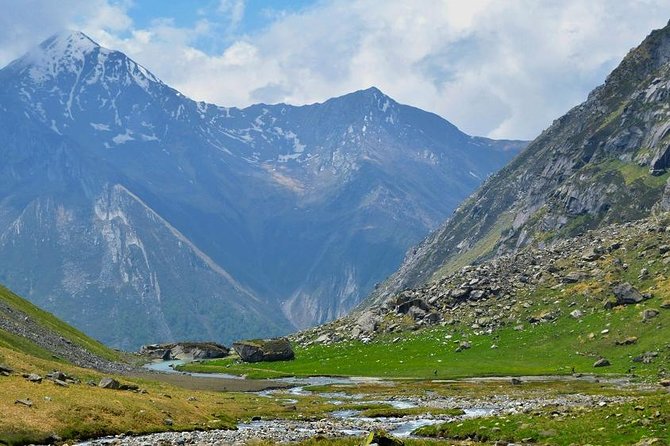
The tour starts at 6:30 am near the egg and Maggi stall on Saharanpur Road in Lakkhi Bagh, Dehradun. Be precise about this meeting point. The transport support begins here, and the itinerary includes the ride from Dehradun to Sankri.
This is a long drive of about eight hours. It is useful to know that from the start, because the first day is mainly about reaching the mountains rather than walking through them. Sankri is the important transition point between road travel and trekking.
The arrangement includes the night’s food support from dinner onward. A stay in Sankri is also part of the normal operation, although accommodation in Dehradun is not included. You should therefore arrange your own Dehradun room if you arrive the day before or need to stay after the final transfer.
Sankri has a practical charm. It is a mountain settlement where trekking operations gather before heading farther into the valley. The reviews praise the stay here and the location, but you should still expect a simple mountain base rather than a city hotel.
Day 2: From Sankri to Osla at 2,700 meters
Day 2 starts with a one-hour drive, followed by five to six hours of trekking to Osla. This is your first full walking day, so it is also the day when your body begins adjusting to the pace and altitude.
Osla sits at about 2,700 meters and is more than a sleeping stop. The village offers a look at local mountain culture, an aspect several trekkers valued on this route. Walking through an inhabited Himalayan settlement gives the trip a human scale. You are not simply moving from campsite to campsite.
The five to six-hour walking time is moderate by trekking standards, but the terrain and elevation gain can make it feel longer. Keep your daypack light and carry water, medicines, and a warm layer where you can reach them. Your larger camping arrangements are handled by the team, but personal items remain your responsibility.
Food is one of the strongest parts of the package. The cook travels with the group, and specific departures have included varied meals, snacks, and food that remained satisfying at high altitude. If you have a special diet, mention it before departure. Special diet requests have been accommodated on some trips, but you should not leave this conversation until you are already in the mountains.
Day 3: Kalkatidhar and the move above 3,300 meters
The walk from Osla to Kalkatidhar takes about three hours. Compared with Day 2, this is a shorter walking day, but the rise to roughly 3,300 meters changes the way you experience it.
At this point, the air is thinner and the weather can feel colder. The shorter schedule gives you more time to settle into camp, eat, rest, and prepare for the next day. Do not treat the shorter distance as a reason to rush. A steady pace is more useful than trying to reach camp early and then feeling worn out for the main excursion.
Kalkatidhar serves as the base for the high point of the tour. Camping here means you do not have to carry on to a new camp after reaching Har Ki Dun. That out-and-back design makes the itinerary more manageable, even though Day 4 still demands a good effort.
Camping equipment is included, and the company provides sleeping gear. Specific departures have used warm sleeping bags and sturdy tents, with one account noting that the supplied gear was suitable for very cold conditions. Conditions vary, so you should still pack proper thermal layers, gloves, socks, and a warm hat.
Same mountains, a different route up:
- Wild Elephant Anakulam & Waterfalls Tour(munnar valley Trekking)
★ 5.0 · 98 reviews - Friendship Peak Trek
★ 5.0 · 94 reviews - Half Day Hiking in Munnar Trekking Tour
★ 5.0 · 89 reviews - Singalila Trek from Darjeeling
★ 5.0 · 79 reviews
Day 4: Har Ki Dun at 3,510 meters and Marinda Tal at 3,794 meters
This is the centerpiece of the trek. From Kalkatidhar, you walk to Har Ki Dun at approximately 3,510 meters, then continue toward Marinda Tal, listed at about 3,794 meters, before returning to Kalkatidhar.
The elevation is the point. Har Ki Dun is not just another camp or viewpoint. It is the high valley that gives the trek its name, with views toward snow-capped mountains and glaciers. The scenery is the reward for the long approach through forest and village country.
Marinda Tal may be presented as an optional extension in practice. Some trekkers have praised the guide’s careful handling of this section, while others have chosen the route based on conditions and energy. Ask your guide about the day’s weather and trail state before committing to the extra climb.
The return to Kalkatidhar makes this a long day. You need to be honest about your fitness and altitude response. A guide can set the pace, but no guide can remove the strain of walking high above 3,500 meters. If you develop symptoms that concern you, tell the guide at once rather than trying to prove something.
This is also where experienced leadership matters most. Guides such as Surendra Rana, Sonu, Rocky Rana, and Megha have received especially warm praise for staying close to the group, handling optional sections, and adjusting arrangements around weather. Your exact guide depends on the departure, but the operating style described for these teams is attentive rather than hands-off.
Day 5: Returning from Kalkatidhar to Osla
The return to Osla takes about three hours. After the effort of Day 4, this shorter descent gives you room to recover while enjoying familiar sections from a different direction.
Walking back through the valley can feel less exciting than reaching a new destination, but it has a practical benefit. You already know the general route, so your attention can shift to details you missed earlier: village activity, mountain views, and the changing light on the slopes.
Osla is a good place to appreciate the cultural side of the trek. The route is not only about altitude and photographs. It connects you with a settled mountain environment, and the village sections help explain why the valley remains important beyond tourism.
Day 6: Osla to Sankri, then back to the road
Day 6 combines four to five hours of trekking with a one-hour drive. You walk back to Sankri, then use the vehicle connection to continue the return process.
The mixed walking and driving day can feel tiring, especially after several nights outdoors. It is also a useful reminder that this is an organized point-to-point route rather than a private expedition with unlimited flexibility. Keep your essential items accessible until you reach your final accommodation or transport stop.
Sankri is where the trek’s camping phase ends. The team’s transport support continues through the final return to Dehradun, so you do not need to arrange a separate vehicle from the roadhead.
Day 7: The long return to Dehradun
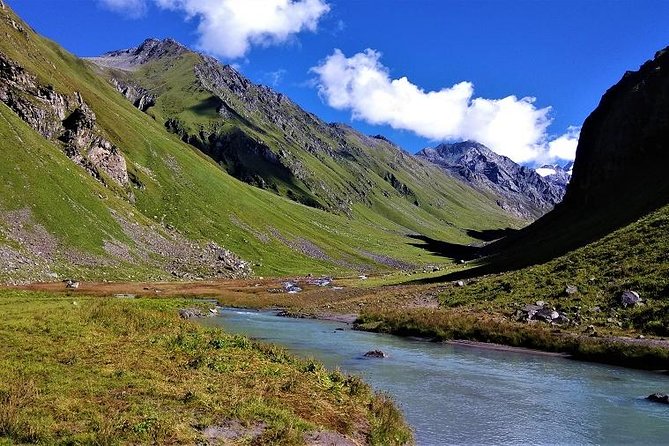
The final day is another eight-hour drive. The activity ends back at the original meeting point in Dehradun.
This long road day affects how you should plan onward travel. Do not schedule an important flight, train, or tight connection immediately afterward unless you have a generous buffer. Mountain roads and a full day of driving do not pair well with rigid travel plans.
The included transport is one of the package’s most useful features. A self-organized version would require you to arrange the Dehradun to Sankri connection, the return, and local movement around the trek. Here, those pieces are part of the same operation.
What the $231 price really covers
At about $231 per person, the cost is attractive for a seven-day supported trek. The value comes from the number of moving parts included: transport from Dehradun and back, a guide, cook fees, all listed meals, camping equipment, forest entry charges, and insurance for Indian citizens.
Meals run from dinner on Day 1 through breakfast on Day 7. That wording matters. You should plan for your own food and drinks during parts of the road journey, along with personal medicines, tips, phone use, and other personal expenses.
The price does not include your journey to Dehradun or a Dehradun hotel. It also does not cover transport outside the stated transfers. International trekkers should pay close attention to the insurance note, since the included insurance applies to Indian citizens only.
If you already own camping equipment and know how to arrange mountain transport, you may find a self-organized trip cheaper. If you value simplicity, the package is good value because it bundles the hard-to-arrange services and removes much of the logistical guesswork.
Food, tents, and the practical camp experience
Food is among the most praised parts of the operation. The cook team has served varied meals and snacks at altitude, and several departures received special mention for tasty food. Expectations should remain sensible: this is camp cooking in a remote valley, not a restaurant menu.
The equipment provision is another strong point. You do not need to bring your own tent or sleeping bag, and warm sleeping gear has been supplied on recent departures. That makes the trek more approachable for someone trying Himalayan trekking for the first time.
The setup remains basic. You are camping in a cold, remote environment, and comfort depends partly on your clothing, sleep system, and attitude. Bring only what you need, protect your dry layers, and follow the guide’s instructions about packing and camp routines.
One environmental concern deserves attention. A complaint about plastic waste suggests that the company and participants should be stricter about packing out rubbish. You can help by carrying a reusable bottle, avoiding unnecessary packaged items, and checking your campsite before leaving.
Group size, guides, and safety
The group limit is 11 people, which is small enough for a guide to keep track of the team without making the trek feel crowded. Group size can still affect pace, so ask how many people are confirmed for your departure if that matters to you. One fixed departure was completed with only two people, showing that a small booking does not automatically mean cancellation.
The guide is central to the experience. Names connected with recent trips include Surendra Rana, Sonu, Rocky Rana, and Megha. The most useful qualities reported for these guides are attentiveness, support on the trail, and careful handling of the Marinda Tal section.
Safety also depends on your own honesty. You should have moderate physical fitness, understand that altitude can affect anyone, and tell the guide about symptoms early. Weather may lead to changes in the plan, and adjustments for conditions are a strength rather than a failure of the trip.
Who should book this trek
You should consider this trek if you want:
- A first or early Himalayan trekking experience with support
- A route that combines villages, camping, and high mountain scenery
- A small group rather than a large commercial departure
- Meals and camping equipment included
- A planned Dehradun to Sankri transfer
- A route that reaches Har Ki Dun without requiring you to organize every detail
You may want another trip if you dislike long road transfers, cold tent nights, repeated sections of trail, or a demanding day above 3,500 meters. This is also not ideal if you want a hotel-based mountain holiday or a flexible schedule with no fixed walking targets.
The tour accepts mobile tickets, and confirmation is provided at booking. Free cancellation is available if you cancel at least 24 hours before the local start time. Within 24 hours, the payment is not refunded, and late changes are not accepted.
Should you book Himalaya Shelter for Har Ki Dun?
I would choose this trip if I wanted a well-supported introduction to Uttarakhand trekking and did not already own the gear or local contacts needed to arrange it myself. The combination of small groups, included meals, warm camping equipment, and organized road transport gives you a lot for the price.
Book it with realistic expectations. The eight-hour drives are part of the deal, Day 4 is demanding, and the camp experience is practical rather than polished. If you can handle those tradeoffs, Har Ki Dun with Himalaya Shelter offers a strong route, good logistical value, and a direct way to experience village life and high Himalayan scenery.
FAQ
Where does the Har Ki Dun trek start?
The trek starts at 6:30 am near the egg and Maggi stall on Saharanpur Road in Lakkhi Bagh, Dehradun, Uttarakhand.
Where does the activity finish?
The activity finishes back at the same Dehradun meeting point.
How long does the trek last?
The experience lasts approximately seven days.
What is the highest point on the route?
Har Ki Dun is listed at about 3,510 meters, while the Marinda Tal outing reaches approximately 3,794 meters.
Is transport included?
Yes. Transport support is included from pickup in Dehradun on Day 1 through drop-off in Dehradun on Day 7. Transport to Dehradun from your hometown is not included.
Are meals included?
Yes. Meals are included from dinner on Day 1 through breakfast on Day 7.
Is camping equipment provided?
Yes. The package includes rental camping equipment. Sleeping gear and tents have also been provided on recent departures.
How many people can join the group?
The group has a maximum of 11 people.
Is insurance included?
Insurance is included for Indian citizens only. Personal expenses, medicines, tips, phone calls, and Dehradun accommodation are not included.
New treks around India
- Sandakphu Singalila Ridge Trek – 6 Days★ 5.0 · 2 reviews
- Rishikesh: Neelkanth Mahadev Guided Trek★ 5.0 · 2 reviews
- Rishikesh: Kunjapuri Temple Sunrise Trek★ 5.0 · 5 reviews
- Private Munnar Tea Trek★ 4.6 · 38 reviews
- Munnar: Sunrise Trekking Adventure with Breakfast★ 3.3 · 3 reviews
- Munnar: Half day Guided Trek★ 4.8 · 24 reviews
- Mcleodganj Nature Trek (3 Hours Guided Walking Tour)★ 5.0 · 2 reviews
- McLeod Ganj: Triund Trek with Manu Adventures India★ 4.8 · 6 reviews
India Trekking Tours, side by side.
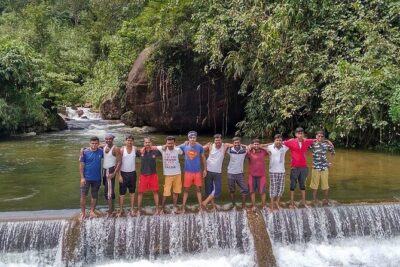
Wild Elephant Anakulam & Waterfalls Tour(munnar valley Trekking)
Read our review →
Lists this trek appears in