
Review · MOROCCO
Marrakech: 2-Day Atlas Mountains Trek with Village Stay
The best part of this trip is the quick change of scene. Within a few hours, you go from Marrakech’s busy medina to quiet mountain paths, juniper trees, walnut groves, and Amazigh villages. The views toward Mount Toubkal, North Africa’s highest peak, give the trek a real sense of place.
I like the mix of walking and local life. You get a proper two-day route rather than a short photo stop, and the cook travels with the group so lunch and dinner are generous Moroccan meals. I also like the guides’ role: Kamal, Mustafa, Hassan, Mourad, and others are praised for setting a steady pace and helping on rocky sections.
The main caution is that this is not a gentle sightseeing walk. The route includes steep climbs, loose gravel, narrow paths, and high-altitude walking. Cold nights are the other surprise, even after a warm day. Bring proper hiking shoes, layers, gloves in winter, and enough water.
Key points to know before booking
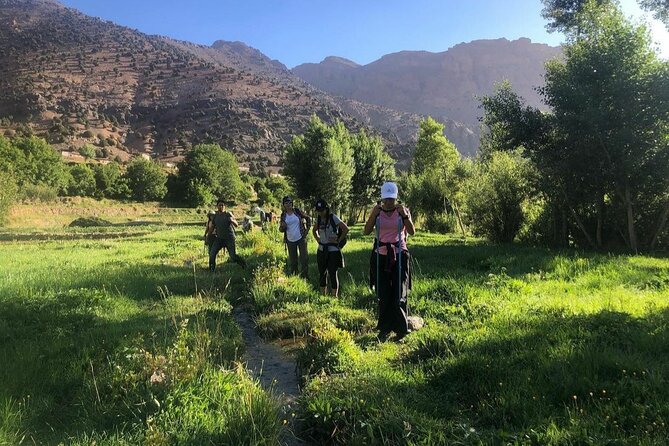
- Tizi Mzik is the first big test: The pass brings wide views but requires a sustained uphill walk from Imlil.
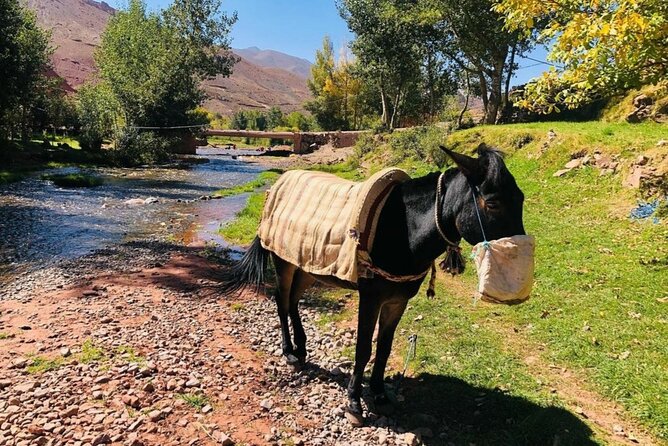
- Your luggage travels by mule: You carry a daypack, while clothing and overnight items can go with the muleteers.
- The village stay is simple: Expect a traditional mountain lodge or riad, basic facilities, and sometimes shared bathrooms.
- Food is a major strength: Lunch, dinner, and breakfast are included, with tagine and other Moroccan dishes served along the route.
- Walking times vary: The advertised schedule suggests five to six hours a day, while many groups finish in roughly three to five hours.
- The small group helps: Groups can reach 14 people, but some departures are much smaller, allowing the guide to adjust the pace.
Leaving Marrakech for the High Atlas
Pickup begins in Marrakech, followed by a drive toward the High Atlas through Tahnnaout, Oued Ghighaya, and Asni. The road itself is part of the introduction, with valley views, scattered villages, and increasingly rugged mountain scenery replacing the city.
Allow extra time if you are picked up early in the route. One family reported that the drive took about an hour from the final Marrakech pickup point, but the first pickup can mean a longer morning. That is normal for a shared transfer, and the hotel pickup and return drop-off add useful value to a two-day trip priced at $96.
You are not paying only for transport and a guide. The price also covers the cook, muleteers, mules for luggage, meals, accommodation, sleeping bags, tea, coffee, and the return journey. For a two-day mountain trip from Marrakech, that is a strong package, though you should still budget for bottled water and small personal expenses.
More Atlas Mountains treks around Marrakesh:
- Marrakesh: 2-Day Mt. Toubkal Trek with 1-Night Stay & Meals
★ 4.7 · 795 reviews - From Marrakech: 3-Day Mount Toubkal Climbing Trek
★ 4.7 · 597 reviews - From Marrakesh: 2-Day Mount Toubkal Trek
★ 4.7 · 591 reviews
Starting the walk in Imlil
Imlil is the trailhead for the trek. Here you meet your guide and the support crew, then usually take a welcome mint tea before walking into the mountains.
That tea is more than a pleasant gesture. It gives the group time to meet, sort out bags, and settle into the slower pace required on a mountain route. A good guide will check how the group is moving before the trail gets serious.
The walking level suits people with basic fitness and some enthusiasm for hills. You do not need to be a serious mountaineer, and this is not the full Mount Toubkal summit trek. Still, the route can feel strenuous if you rarely hike. One section on the first day includes a long uphill stretch, and several parts are rocky or steep.
I would choose hiking boots or sturdy shoes with good grip rather than trainers. Hiking poles can also help, especially on loose ground and downhill sections. Some guides, including Abdou, have lent poles to people who needed them, but I would not rely on that.
Crossing Tizi Mzik into Azzaden Valley
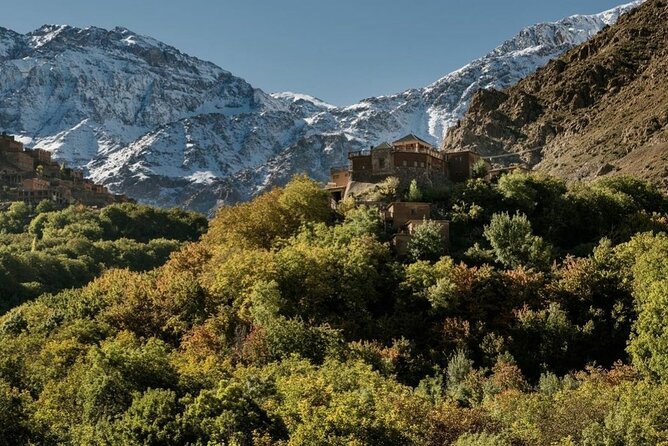
From Imlil, the route heads toward Azzaden Valley via Tizi Mzik. This is the section that gives the trip its mountain character. You climb above the village, gain views over the valley, and see neighboring Atlas peaks from a higher point.
The pass is a good place to stop and catch your breath. The climb can be demanding, but the reward is a broad view rather than another enclosed village street. In winter, snow may cover the surrounding peaks and sometimes the trail itself. Guides have changed routes when snow blocked the planned path, so flexibility matters.
At the top, lunch is served with the mountains in view. This is one of the most memorable details of the trip. The meal is not a rushed sandwich from a shop. A cook travels with the group and prepares substantial Moroccan food, often including tagine and other dishes. Vegetarians and people with gluten-free needs have been accommodated, but you should state dietary needs when booking.
The altitude can affect your pace even if the distance looks reasonable. Walk slowly, drink often, and do not be embarrassed to ask for a pause. Guides such as Kamal, Mustafa, and Hassan are repeatedly praised for keeping groups together and helping people over steep or uneven ground.
Walking down through the juniper forest
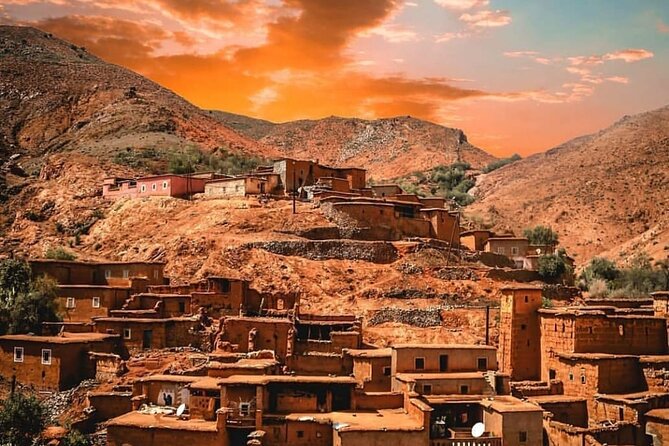
After lunch, you descend through juniper forest toward Tizi Oussem. Downhill sounds easy, but loose stones can make it harder on knees and ankles than the uphill work.
This is where solid footwear earns its place. A few sections may feel technical to a beginner, though the route is not presented as a climbing expedition. You might find a mix of wider tracks and narrower paths, with the exact feel changing according to weather, snow, and the guide’s chosen route.
The day’s distance is often around 10 kilometers, though walking time varies. The advertised estimate is five to six hours each day, while several groups completed the walking in about three to five hours. Fitness, breaks, weather, and route changes all affect the timing.
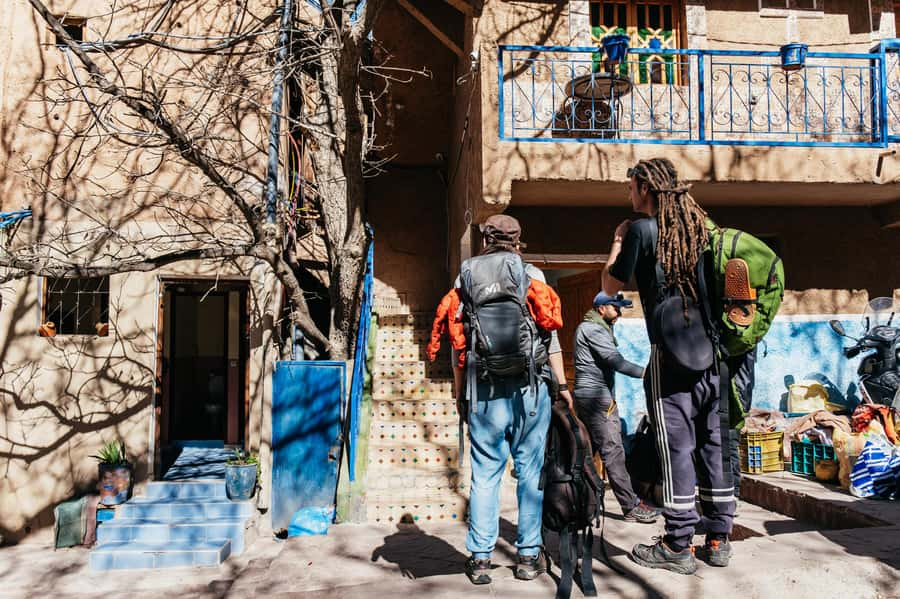
You reach Tizi Oussem or another nearby mountain village in the late afternoon. Some groups have stayed at Riad Imnane Lodge, while other descriptions refer to a traditional riad or village lodge. Conditions are basic but generally described as clean and comfortable. Rooms may be shared by two or three people, and some have private bathrooms while others use shared facilities.
More two-day treks around Marrakesh
- Marrakech: 2-Day Atlas Villages Trekking Tour
★ 4.5 · 76 reviews - 2 Days Mount Toubkal ascent trek via Ait Mizane Valley
★ 4.3 · 45 reviews - From Marrakech:Trekking in Atlas mountains 2 days
★ 4.9 · 40 reviews - From Marrakesh: 2-Day Trek to Ait-Benhaddou and Ouarzazate
★ 4.6 · 36 reviews
A quiet night in a Berber village
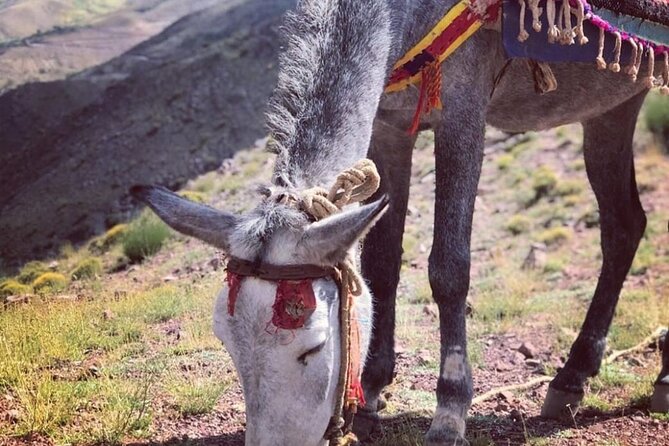
The overnight stay is the part that separates this trip from a standard day excursion. You spend the evening in a mountain community rather than returning to Marrakech after taking photographs.
The accommodation is not a city hotel. Mattresses may be firm, heating may not be available, and hot water can take patience. Some people had hot showers and ensuite rooms, while others had simpler shared facilities. Bring a small towel and a sleeping bag liner if you prefer your own layer.
Winter deserves special attention. Daytime sun can feel warm, then the temperature drops sharply after sunset. Several people found nights close to freezing, with blankets supplied but no heating in the building. I would pack thermal layers, thick socks, a hat, gloves, and a warm top even if Marrakech feels mild when you leave.
Dinner is usually a filling tagine served at the lodge. The food is one of the trip’s most consistent strengths, and the large portions make sense after a day on foot. Tea is also part of the rhythm here. You eat, warm up, talk with the group, and let the quiet of the mountains replace Marrakech’s noise.
The social side can be rewarding. Solo participants often find themselves walking with a small group, while families and couples can still have time together. Guides such as Kamal have used humor, local stories, and informal conversation to bring mixed-age groups together. Do not expect an evening packed with entertainment. This is a good time to bring cards or a small book.
Day two through Id Issa and Tizi Oujdid
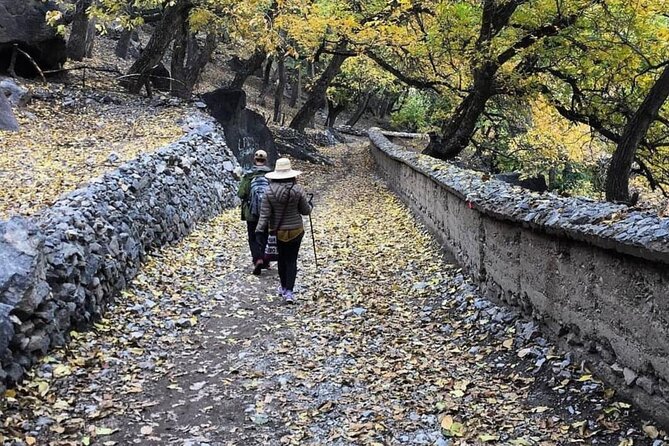
After breakfast, you walk toward Id Issa. The second morning often feels brighter and more open, with sunlight reaching the valley and the previous day’s route giving you a better sense of the surrounding mountains.
You have time to see the village before continuing through the Tizi Oujdid pass. The route passes through Matat and offers a different view of daily life in the High Atlas. The value here is not a staged cultural show. You see homes, paths, farms, and village spaces as part of an ordinary mountain setting.
The second day can be easier or harder than the first depending on your knees and the weather. Some groups walk about four hours, while the formal description allows five to six. One common pattern is a moderate climb followed by a longer descent of roughly 800 meters, though the exact route can vary.
The guides make a real difference on this section. You want someone who watches the slower walkers, explains how to handle steep ground, and changes the plan when conditions require it. Mourad redirected a group when people were mistakenly mixed with a Mount Toubkal summit party, while Kamal and Hussain have adapted routes during snow. Those examples show why a local guide is more useful than a marked route map alone.
Lunch beside the walnut grove
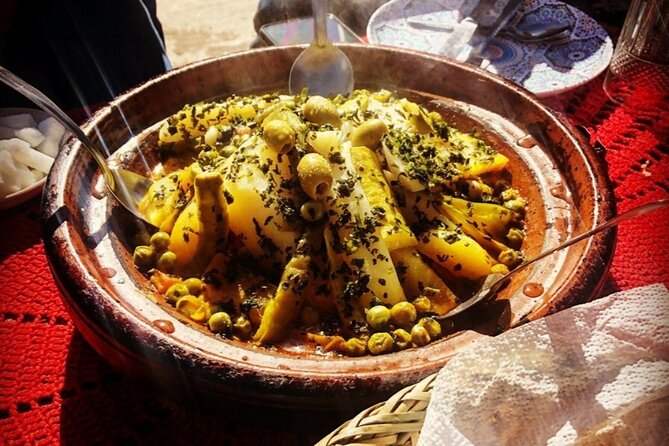
The final lunch stop comes in a walnut grove beside a river. It is a gentler ending than another meal at a roadside café, and the water and shade offer a pleasant pause before the return drive.
This is also a good point to appreciate the pace of the trip. You are not pushed from one attraction to the next. The route has room for tea, village stops, lunch, and views. If you prefer a long, hard-distance trek, two days may feel short. If you want a first taste of the Atlas without committing to a summit expedition, the length is sensible.
After lunch, you return toward Marrakech and are dropped at your hotel in the late afternoon. One group had to wait around 90 minutes for return transport, so allow some flexibility if you have evening plans. The drive back can also be tiring after two days of walking.
What the $96 price really covers
At $96 per person, this is good value if you use the included services. The price covers hotel pickup and drop-off, the guide, cook, muleteers, mules, all listed meals, one night’s accommodation, tea and coffee, and sleeping bags.
The mule is especially practical. You should carry only what you need during the day, while overnight clothing can travel separately. Be sensible about weight. The mule is there to help, not to serve as a reason to bring a large suitcase.
You still need water. Bottled water may be available at the lodge or along the route, but it is not listed as included. Bring sunscreen, sunglasses, a hat, comfortable shoes, a camera, and extra toilet paper. In winter, add waterproof shoes, a raincoat, gloves, and spare socks.
The booking terms are flexible: you can cancel up to 24 hours before departure for a full refund, and the reserve now, pay later option lets you delay payment. The tour is offered with guides speaking Arabic, English, French, Spanish, and German. Confirm your pickup details through the provider before departure, especially if you have a tight schedule.
Who should book this Atlas trek?
I would choose this trip if you want mountain scenery, village contact, and a real overnight away from Marrakech in only two days. It works well for solo visitors, couples, families with older children, and first-time hikers who are comfortable with hills.
It is also a good choice if you want Moroccan food to be part of the experience. The cook and muleteers travel with the group, and meals are not an afterthought. The frequent praise for cooks such as Ibrahim and Omar is understandable: a hot, generous meal tastes especially good after a rocky climb.
I would think twice if you dislike basic accommodation, cold nights, steep paths, or shared facilities. Pregnant people should not book this activity, and anyone uneasy with heights should note that some trails pass near steep drops. If you want a more demanding mountain challenge, a dedicated Toubkal trek may suit you better. If you want less walking, a valley day trip is the safer choice.
Should you book it?
Book this trek if you want a well-priced two-day mountain break with local food, mule-supported luggage, and a village night rather than a quick excursion from Marrakech. The scenery is the headline, but the guides and the quiet evening are what give the trip its character.
Go prepared for real walking. Pack warm layers, strong shoes, water, sun protection, and a little patience for basic facilities. If you do that, this is one of the most useful ways to trade Marrakech’s noise for the High Atlas without spending a week on the trail.
FAQ
How long is the Atlas Mountains trek?
The activity lasts two days. The planned walking time is about five to six hours per day, although completed routes can be shorter, often around three to five hours depending on the group, weather, breaks, and route conditions.
Does the tour include hotel pickup in Marrakech?
Yes. Hotel pickup in Marrakech and return drop-off are included.
How many people are in the group?
The activity is described as a small-group tour limited to 14 participants. Some departures may be much smaller.
Which languages can the guide speak?
Guides are available in Arabic, English, French, Spanish, and German.
Where does the trek begin?
The walking section begins in Imlil after the drive from Marrakech and a meeting with the trekking crew.
Where do you spend the night?
You stay in a traditional mountain village accommodation, described as a riad or lodge. Facilities are basic, and rooms may be private or shared. Some groups have had ensuite rooms, while others have used shared bathrooms.
Are meals included?
Yes. Lunch and dinner on the first day, breakfast and lunch on the second day, along with coffee and tea, are included. Moroccan dishes such as tagine are served, and dietary needs have been accommodated on some departures.
Do mules carry luggage?
Yes. Muleteers and mules carry luggage, allowing you to walk with a smaller daypack. You should still bring water for the trail.
What should I bring?
Pack comfortable hiking shoes, sunglasses, a sun hat, sunscreen, a camera, water, and warm layers. In winter, bring gloves, a warm hat, thick socks, waterproof shoes, and a sleeping bag liner. Pregnant women should not take this activity.
New treks around Marrakesh
- Mount Toubkal Trek 2 Days & 1 Night★ 4.5 · 26 reviews
- Marrakech: Mount Toubkal 2-Day trek from Marrakech★ 5.0 · 2 reviews
- Marrakech: Guided 2-Day Trek to Imlil and Imnan Valleys★ 4.6 · 14 reviews
- Marrakech: High Atlas Tedali Summit Guided Day Trek★ 5.0 · 4 reviews
- Marrakech: 2 Day Toubkal Trek & 1 Nights with Hotel Pick up★ 5.0 · 2 reviews
- Marrakech: 2 Day Trek Atlas Mountains & Taoudja Summit 2724M★ 5.0 · 2 reviews
- Marrakech: 3-Day High Atlas Mountains and Three Valleys Trek★ 4.8 · 63 reviews
- From Marrakesh: 2-Day Trek to Ait-Benhaddou and Ouarzazate★ 4.6 · 36 reviews
Atlas Mountains Treks, side by side.
Mt Toubkal Ascent Express Trek 2 Days 1 Nights
Read our review →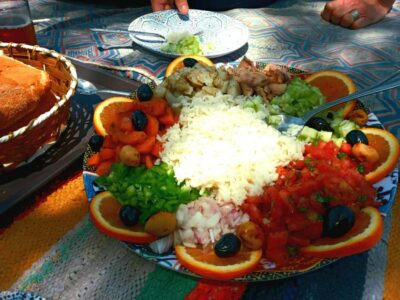
Marrakesh: 2-Day Mt. Toubkal Trek with 1-Night Stay & Meals
Read our review →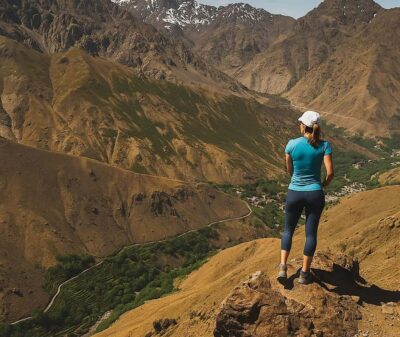
From Marrakech: 3-Day Mount Toubkal Climbing Trek
Read our review →
Summiting and Hiking the Atlas Mountains Day Trek from Marrakech
Read our review →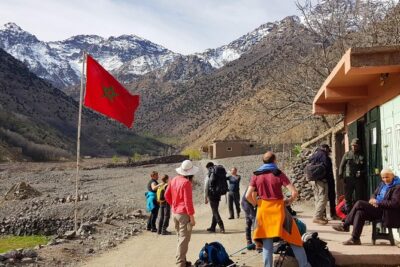
Lists this trek appears in