
Review · MOROCCO
From Marrakesh: 2-Day Mount Toubkal Trek
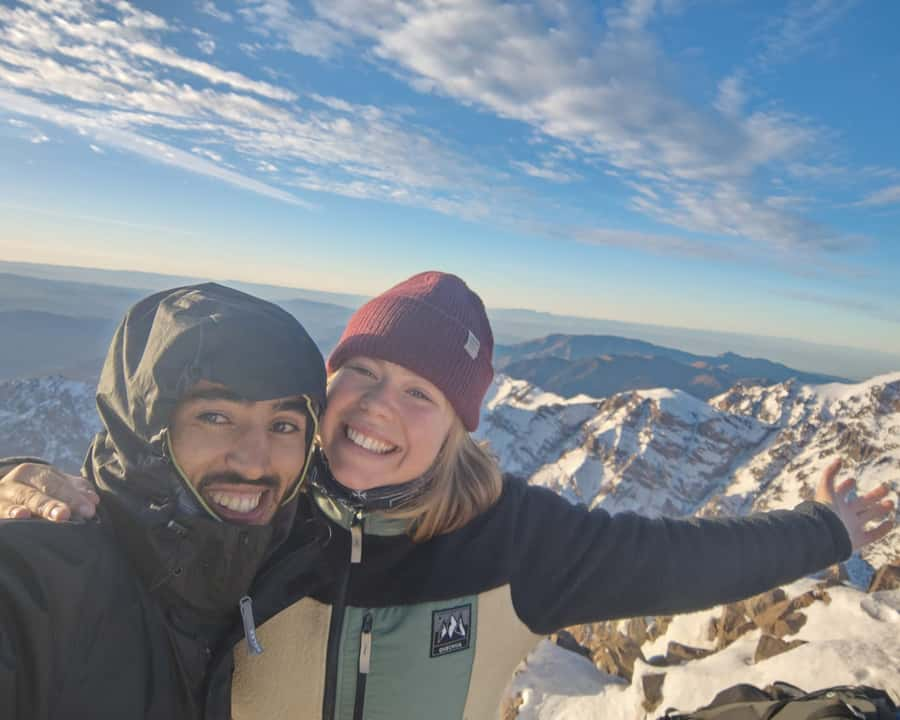
Mount Toubkal is the highest peak in North Africa, and this two-day trip gives you a real mountain day rather than a quick viewpoint walk. You begin in Marrakesh, pass through the Berber villages of Imlil and Aremd, sleep high in the Toubkal Refuge, and set off before dawn for the 4,167-meter summit.
I like the small groups, capped at 10, and the strong personal care shown by guides such as Rashid, Mustafa, Hassan, Ahmed, and Abdul Samad. I also like the value: transport, meals, one night’s lodging, and a local mountain guide are included for $125.
The catch is simple: this is not an easy hike. Day one climbs for about six hours, and summit day can mean four hours uphill followed by four or five hours down. Snow, scree, altitude, illness, or a police closure can stop the summit attempt.
Key points to know before booking
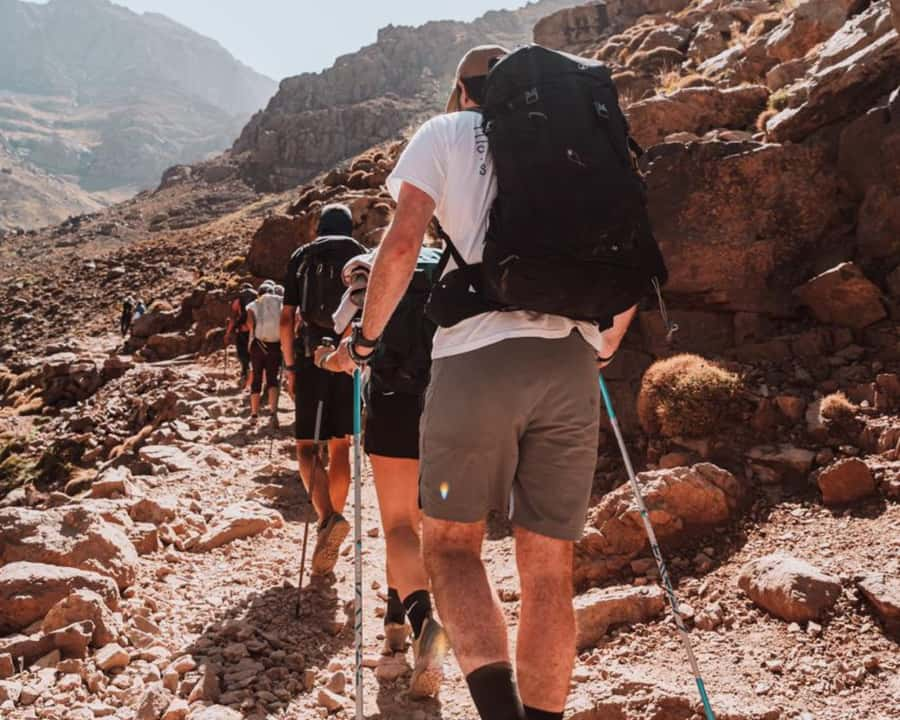
- The summit is 4,167 meters high: altitude, loose rock, cold, and early starts make this a serious mountain trek.
- Day one reaches Toubkal Refuge: expect a long uphill walk through the Mizane Valley, Aremd, and Sidi Chamarouch.
- Summit day begins very early: groups often leave around 4 a.m. to reach the top near sunrise.
- Guides are the strongest part of the trip: Rashid, Mustafa, Hassan, Ahmed, and others are praised for pacing, encouragement, and safety support.
- Weather controls the plan: heavy snow or poor conditions can replace Toubkal with hiking around Imlil.
- Bring proper gear and snacks: crampons, ice axes, trekking equipment, and hiking shoes may be rented locally, but breakfast can be small.
Why Mount Toubkal is worth two demanding days
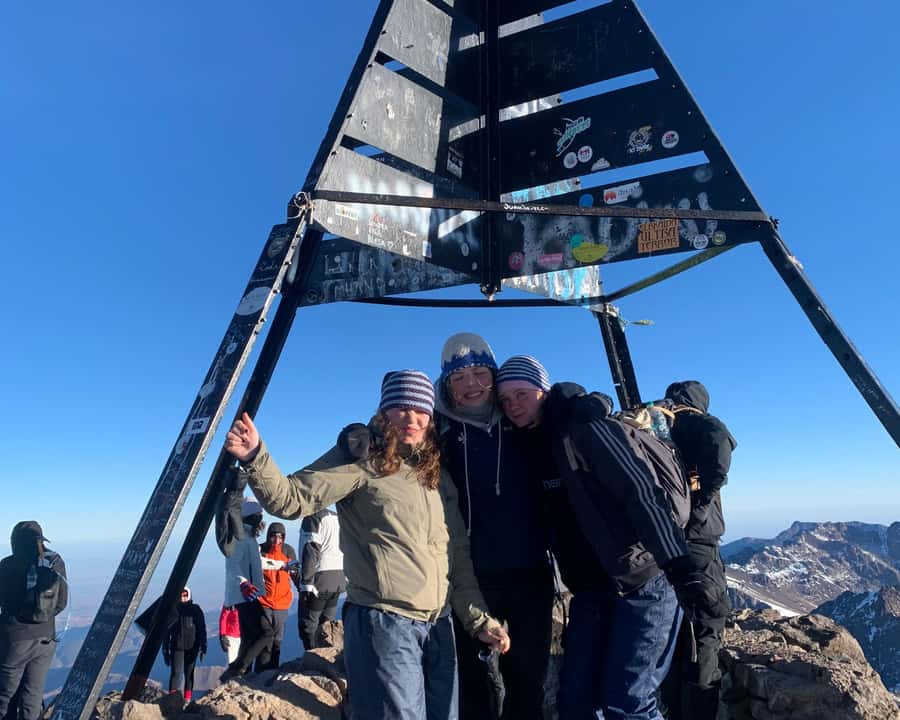
The appeal here is not just standing beside a summit sign. Toubkal takes you from the dry plain around Marrakesh into the High Atlas, where villages, mule paths, rocky gullies, and snow-covered ridges replace the city’s palms and ocher walls.
You see the change slowly. The drive to Imlil is part of the experience, not merely a transfer. Once you leave Marrakesh, the road heads toward the mountains and the trail begins in a village setting rather than at a large resort or cable-car station.
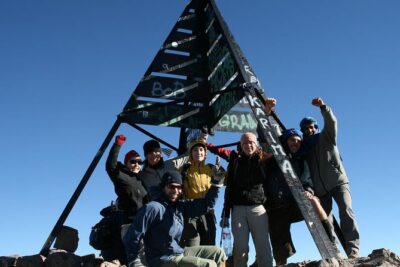
At the summit, the reward is a wide 360-degree view. Looking north, you can see toward the Marrakesh Plain and the High Atlas Mountains. To the south, the view reaches toward the Anti-Atlas and the Sahara Desert. Clear weather matters greatly here, so the summit panorama is never guaranteed.
The price of $125 is good value if you use the full package. You get transport from Marrakesh to Imlil and back, a local guide, all meals, one night at the refuge, and Wi-Fi. Soft drinks are extra, and you should budget for equipment rental if you arrive without suitable winter gear. A tip for your guide is also a sensible extra cost.
More Atlas Mountains treks around Marrakesh:
- Marrakesh: 2-Day Mt. Toubkal Trek with 1-Night Stay & Meals
★ 4.7 · 795 reviews - Marrakech: 2-Day Atlas Mountains Trek with Village Stay
★ 4.8 · 717 reviews - From Marrakech: 3-Day Mount Toubkal Climbing Trek
★ 4.7 · 597 reviews
From Marrakesh to Imlil and the Mizane Valley
Pickup is arranged from your hotel or riad in Marrakesh. If a vehicle cannot reach your accommodation, you receive a nearby meeting point. Pickup information normally arrives by email the day before, and you should be ready five to ten minutes early.
The drive ends at Imlil, the practical starting point for the trek. The mountain village gives you a final chance to organize your bag, check equipment, and buy food or water. Several people found places to buy snacks and drinks along the route, but I would still carry something you already know you can eat.
From Imlil, the trail follows the Ait Mizane Valley. The walking is steady and uphill, with the pace set by the group. That pacing matters. Stronger hikers may be eager to move ahead, but altitude makes patience more useful than speed.
The route passes through Aremd, a village with a distinctly mountain character, before continuing higher. This is where the trip feels more like a trek than a sightseeing tour. You are walking on mule tracks through a working valley, with local guides who know the route and watch the group’s condition.
Guides have adapted the pace for mixed abilities. Rashid, Mustafa, Hassan, Ahmed, Kamal, Mohammed, and Abdul Samad are among the guides praised for checking on tired walkers, carrying a bag for a short stretch when needed, and offering steady encouragement. That support does not make the mountain easy, but it can make the difference between managing the day and pushing too far.
Sidi Chamarouch and the long climb to the refuge
Sidi Chamarouch is one of the route’s notable stops. The shrine sits high in the valley, and its position makes it a natural pause before the steeper section toward the refuge.
After Sidi Chamarouch, the trail follows mule tracks into higher, rockier ground. You continue climbing beneath large cliffs, gradually moving above the snow line in winter conditions. The scenery becomes more severe and open, while the trail demands more from your legs.
The first day is often described as about six hours of uphill walking, climbing from roughly 1,000 meters to around 2,500 meters. That is a useful reality check. The route is not technical in the usual climbing sense, but it is physically demanding because the ascent is long and the altitude rises quickly.
You spend the night at Toubkal Refuge. The included accommodation is basic mountain lodging, not a private hotel room. Sleeping conditions can be noisy, and earplugs are a smart addition to your packing list. One useful detail from the experience is that the food is generally plentiful, with lunch, dinner, breakfast, and tea included, though breakfast may be smaller than you expect.
The refuge is also where you need to think about the next morning. Organize your clothing, water, headlamp if you have one, and summit gear before trying to sleep. The early start leaves little room for fussing around in the dark.
Summit morning, scree, snow, and altitude
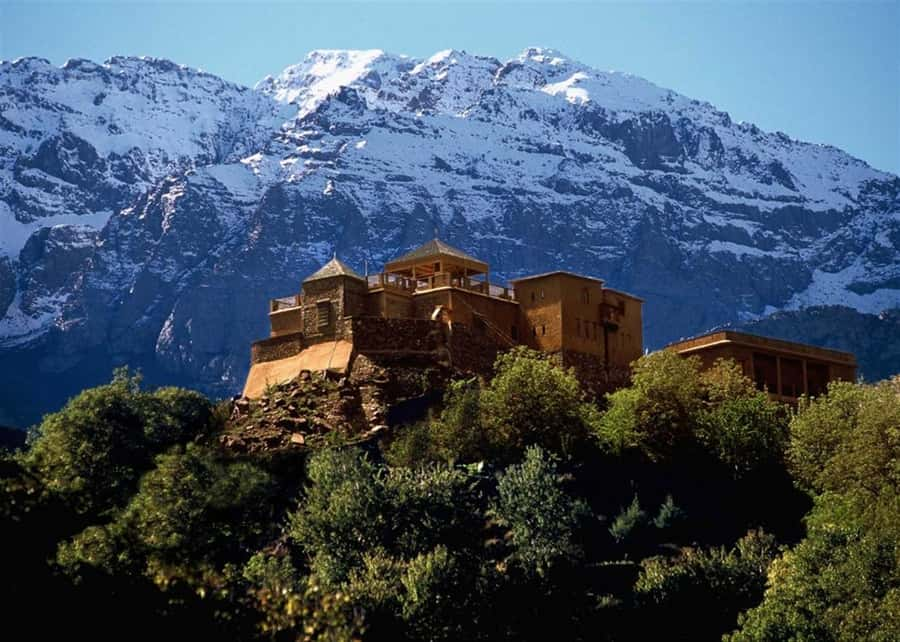
The second day follows the southern circle route toward the summit. Groups commonly start around 4 a.m., though the exact departure depends on the day’s arrangements. The purpose is to climb in the dark and reach the top around sunrise.
The climb is not presented as a technical mountaineering route, but that does not make it gentle. Loose scree can make each step slide backward, and the altitude can affect you even if you are fit. The climb may feel manageable at one moment and surprisingly hard a few minutes later.
Winter adds another layer. Crampons and ice axes may be required when snow is present. They can be rented locally, and the guide can help decide what you need. Bring your passport and personal equipment, and do not assume ordinary trainers will be enough. Hiking shoes and proper trekking gear are specifically required.
A guide’s role is especially important here. In difficult snow conditions, Kieran’s guide helped the group manage the route after an avalanche, with safety taking priority. In another case, a guide walked all the way back with a participant who became ill and arranged a taxi to Marrakesh. These are useful examples of what good mountain support should look like: reaching the summit is not the only measure of a successful day.
Altitude medication is another point to consider. One participant specifically advised getting it cheaply from a Marrakesh pharmacy. You should treat that as personal preparation advice, not a substitute for medical guidance.
More two-day treks around Marrakesh
- Marrakech: 2-Day Atlas Villages Trekking Tour
★ 4.5 · 76 reviews - 2 Days Mount Toubkal ascent trek via Ait Mizane Valley
★ 4.3 · 45 reviews - From Marrakech:Trekking in Atlas mountains 2 days
★ 4.9 · 40 reviews - From Marrakesh: 2-Day Trek to Ait-Benhaddou and Ouarzazate
★ 4.6 · 36 reviews
The summit and the return to Imlil
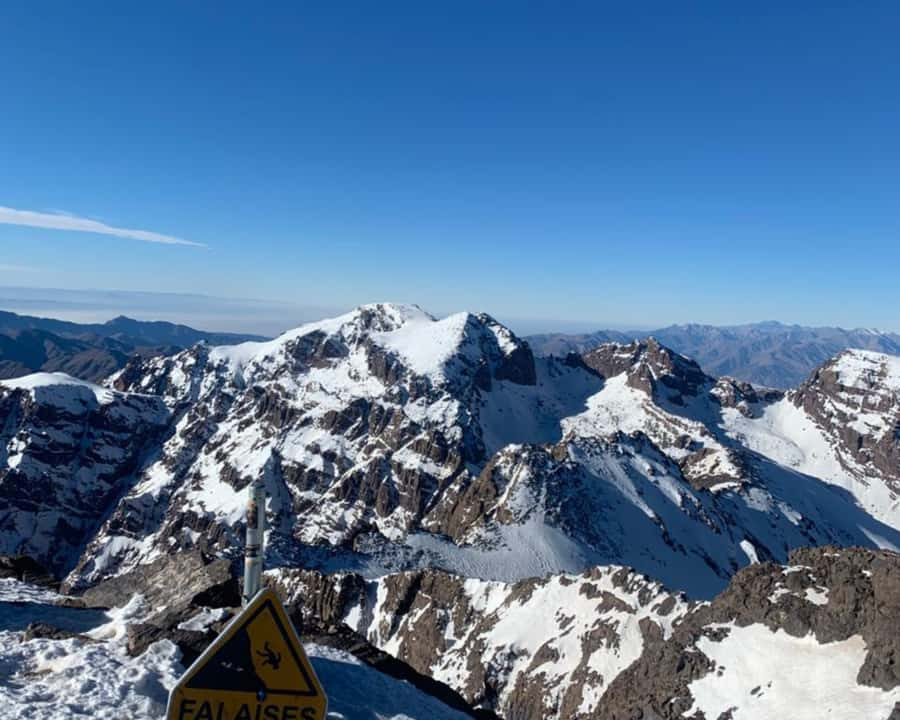
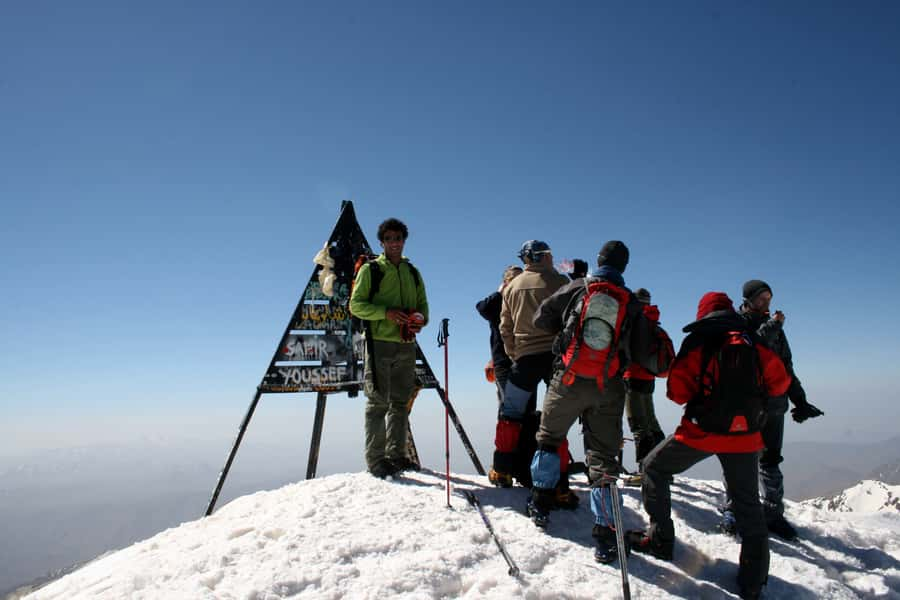
The summit is marked by a broad view rather than a single attraction. On a clear morning, you look across the Marrakesh Plain, the High Atlas, the Anti-Atlas, and toward the Sahara. Sunrise can be spectacular, but cold, cloud, snow, or wind can limit what you see.
The summit push takes around four hours for many groups. Once you have taken in the view, the route descends toward Imlil. Downhill is not automatically easy. Loose rock can be awkward, tired legs reduce balance, and the total second day may include another four to five hours of walking after reaching the top.
The return to Marrakesh is by vehicle from the Imlil area. Pickup and drop-off are included, and a different drop-off address in Marrakesh can be arranged if you provide it. One group finished early and had the van called for them, which shows why clear communication with the guide and driver is useful.
The return ride may feel long after two days on foot. Still, it is much simpler than arranging separate transport, and it keeps the trip practical for people using Marrakesh as their base.
Food, group size, and the value of $125
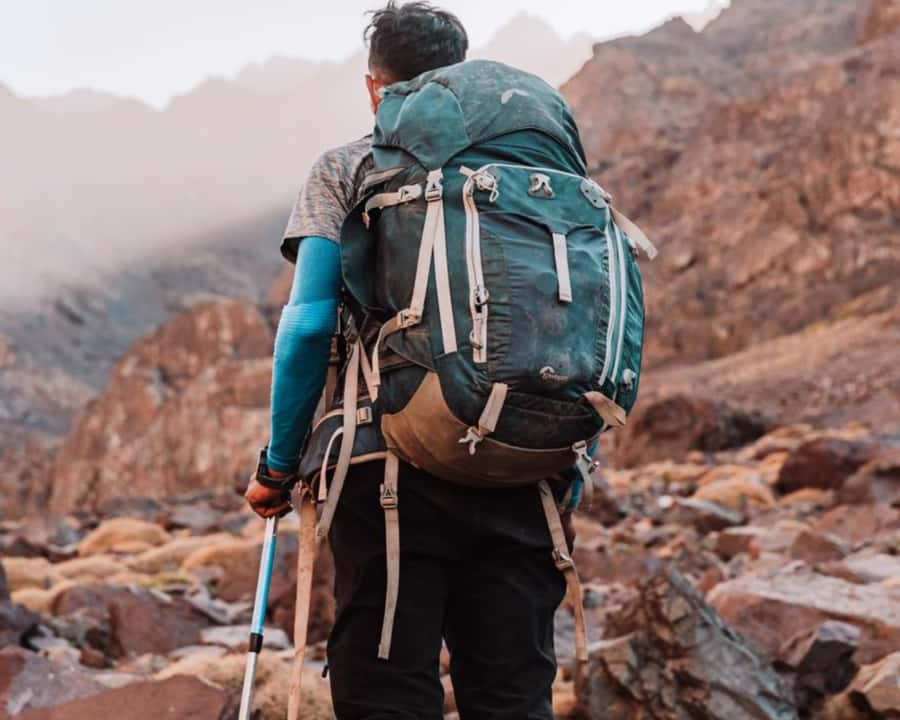
For $125, the package covers the key costs that can quickly add up on an independent trek. Transport, a guide, meals, one night at Toubkal Refuge, and Wi-Fi are included. You pay extra for soft drinks, rental gear, and a tip.
The meals receive particularly strong praise. Lunches and dinner are described as local, filling, and tasty, with plenty of tea. Breakfast is the weak point, mainly because it can be small before a very long summit day. Bring snacks you can eat while walking.
The group limit is 10, although some departures are smaller. Groups of six were described as a comfortable size. Small numbers help the guide match the walking speed to the slowest person, stop when needed, and respond if someone feels ill.
The guides are the clearest reason to choose this arrangement rather than simply arranging transport to Imlil. Rashid is repeatedly singled out for patience and care. Mustafa is praised for leadership and calm support. Hassan, Ahmed, Kamal, Mohammed, and Abdul Samad are also noted for encouragement, route management, and attention to the group.
Communication deserves a small warning. The advertised guiding languages are English, French, Spanish, and Arabic, but at least one departure had a guide who could not speak English. He still provided effective practical help, but explanations were limited. If detailed English commentary is important to you, confirm the guide language before departure.
Weather, closures, and the real chance of missing Toubkal
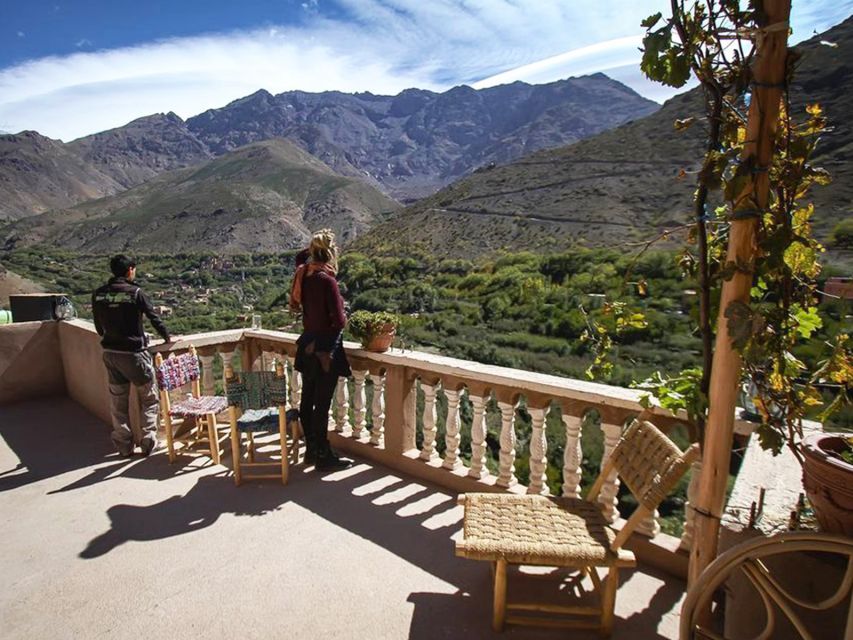
You need to book this with a flexible attitude. Bad weather, deep snow, or a safety restriction can prevent the summit attempt. In one case, police patrols blocked access after a fatal incident on the mountain. The group instead hiked around Imlil and climbed a lower 2,600-meter mountain the following day.
That is not the same experience as Toubkal, but it is the responsible response to risk. Other groups stopped short because of harsh weather, even after reaching Imlil or beginning the approach. A guide should never promise that the summit is guaranteed.
The activity can also be cancelled if there are not enough participants. You can cancel up to 24 hours before departure for a full refund, and the reserve-now-pay-later option keeps your money flexible until closer to the trip.
I would avoid placing Toubkal immediately before an important flight or fixed appointment. A weather change can alter the plan, and a hard descent can leave you tired. Give yourself room.
Who should choose this trek?
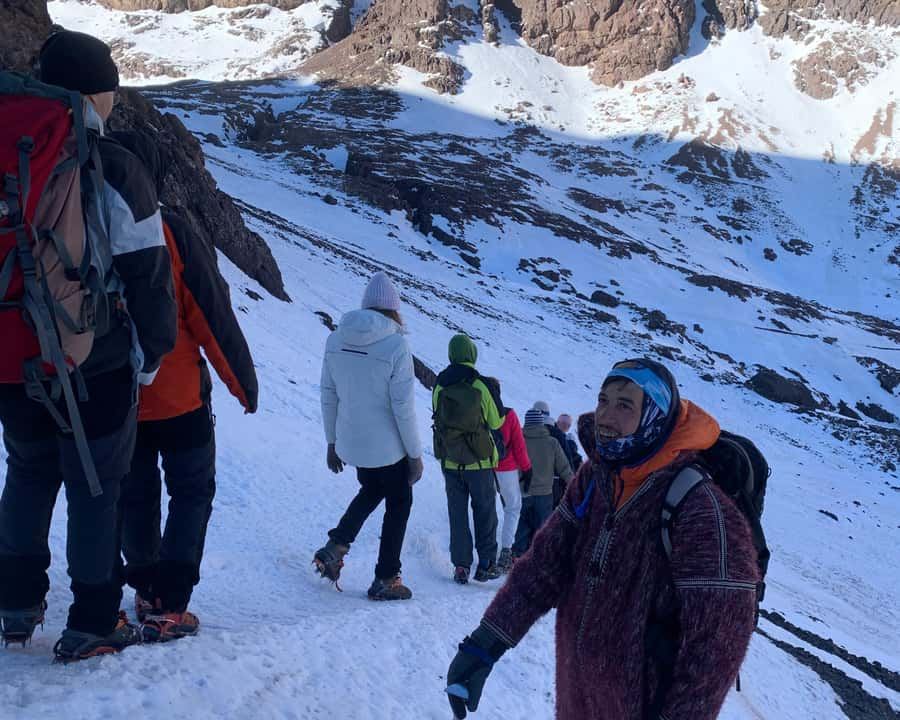
This trip suits you if you want a serious physical challenge, enjoy mountain scenery, and prefer a guided package from Marrakesh. It is a strong choice for solo visitors because the small group gives you company without the feel of a large coach tour.
It also suits hikers who do not want to arrange a guide, refuge, meals, and transport separately. The local guides provide the most useful part of the service, especially when the group has mixed abilities or winter conditions.
You should think twice if you want a relaxed overnight excursion. The summit day begins very early, the refuge is basic, and the total walking time is substantial. You should also reconsider if you lack hiking shoes or are uncomfortable with snow, scree, altitude, or the possibility of turning around.
Beginners can take part if they are prepared for the effort, but this is not a gentle introduction to walking. You need enough fitness for long uphill and downhill days, plus the judgment to tell your guide when you are struggling.
Should you book the Mount Toubkal trek?
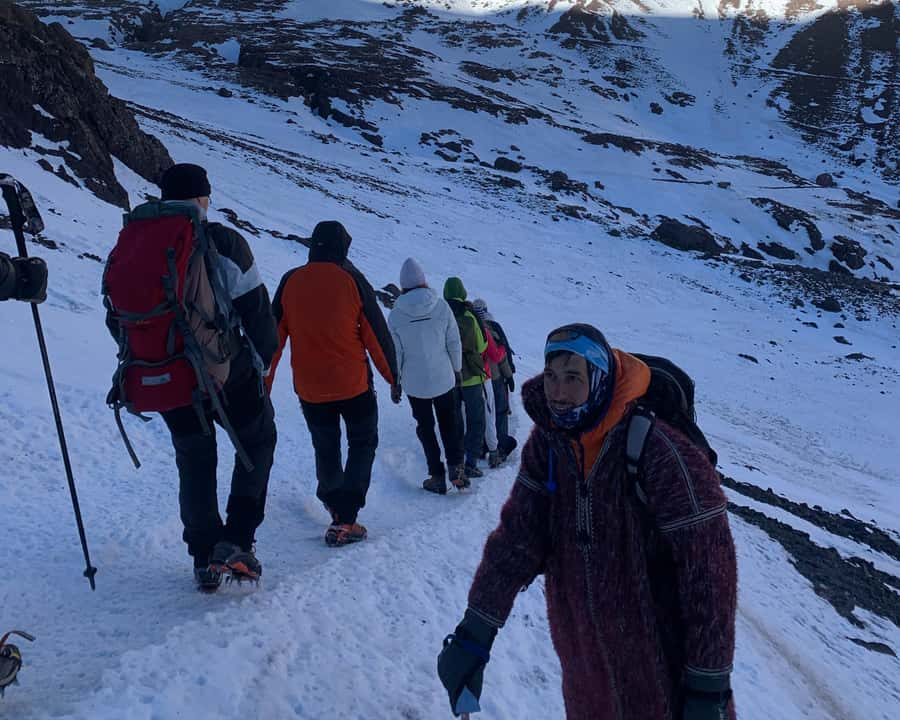
Book it if you want the highest summit in North Africa, a real two-day mountain route, and dependable support at a reasonable price. The strongest features are the local guides, included meals, small groups, and door-to-door transport from Marrakesh.
Do not book it expecting guaranteed sunshine or a comfortable hotel night. Toubkal is controlled by weather, snow, safety decisions, and your own response to altitude. Bring proper shoes, warm layers, snacks, a passport, and money for rentals and a tip.
For a fit visitor with flexible plans, this is a very good-value mountain experience. The summit is memorable, but the careful decisions made along the way matter just as much.
FAQ
How long does the Mount Toubkal trek take?
The activity lasts two days, including transport from Marrakesh, one night at Toubkal Refuge, the summit attempt, and the return to Marrakesh via Imlil.
What is the height of Mount Toubkal?
The summit is 4,167 meters above sea level.
Where does the trek begin?
The walking section begins in Imlil Village, after transport from Marrakesh.
What places do you visit on the first day?
The route passes through the Ait Mizane Valley and Aremd, continues toward the shrine of Sidi Chamarouch, and finishes at Toubkal Refuge.
Where do you sleep?
You spend one night at Toubkal Refuge. The accommodation is basic mountain lodging, and earplugs may be useful because sleeping conditions can be noisy.
What is included in the price?
The price includes a local mountain guide, one night at Toubkal Refuge, all meals, transport to and from Imlil Village, and Wi-Fi.
Are drinks included?
Meals are included, but soft drinks are not. You can also find places to buy food and water along parts of the route.
Can I rent hiking equipment?
Yes. Equipment can be rented locally if you do not have everything you need. In snowy winter conditions, crampons and ice axes may be required, and the guide can help with this.
What happens if the weather is bad?
If snow is heavy or conditions are unsafe for Toubkal, the summit hike may be cancelled or replaced with a visit and hike around Imlil. Police restrictions can also prevent access to the summit.
What languages are available for the tour?
Guiding is offered in English, French, Spanish, and Arabic. The specific guide may vary, so confirm the language if detailed explanations in English are important to you.
New treks around Marrakesh
- Mount Toubkal Trek 2 Days & 1 Night★ 4.5 · 26 reviews
- Marrakech: Mount Toubkal 2-Day trek from Marrakech★ 5.0 · 2 reviews
- Marrakech: Guided 2-Day Trek to Imlil and Imnan Valleys★ 4.6 · 14 reviews
- Marrakech: High Atlas Tedali Summit Guided Day Trek★ 5.0 · 4 reviews
- Marrakech: 2 Day Toubkal Trek & 1 Nights with Hotel Pick up★ 5.0 · 2 reviews
- Marrakech: 2 Day Trek Atlas Mountains & Taoudja Summit 2724M★ 5.0 · 2 reviews
- Marrakech: 3-Day High Atlas Mountains and Three Valleys Trek★ 4.8 · 63 reviews
- From Marrakesh: 2-Day Trek to Ait-Benhaddou and Ouarzazate★ 4.6 · 36 reviews
Atlas Mountains Treks, side by side.
Mt Toubkal Ascent Express Trek 2 Days 1 Nights
Read our review →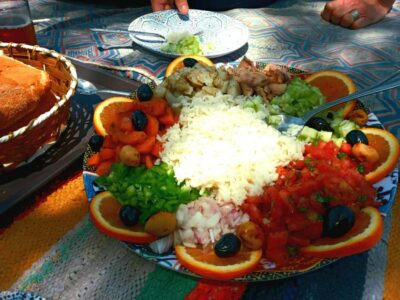
Marrakesh: 2-Day Mt. Toubkal Trek with 1-Night Stay & Meals
Read our review →
Marrakech: 2-Day Atlas Mountains Trek with Village Stay
Read our review →
From Marrakech: 3-Day Mount Toubkal Climbing Trek
Read our review →
Summiting and Hiking the Atlas Mountains Day Trek from Marrakech
Read our review →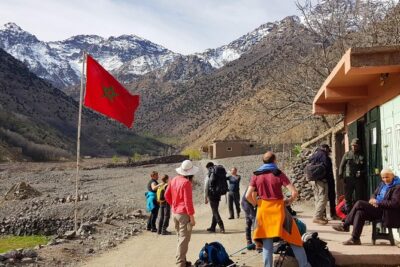
Lists this trek appears in