
Review · INDONESIA
From Senaru: Mount Rinjani 2-Day Trek to Summit
Mount Rinjani saves its hardest work for the final hours. This two-day summit trek takes you from Senaru to Sembalun, up to 3,672 meters, and into a steep, loose-stone climb before sunrise. The payoff is a wide view of Lombok, Bali, Mount Tambora, and Segara Anak Lake.
I like the practical setup: porters carry the camping equipment, while the team supplies head lamps, trekking poles, chairs, a dining table, and hot meals. I also like the small-group limit of 10, which gives your guide room to match the pace to the group.
The main catch is simple: this is a very tough hike packed into two days. Cold wind, little sleep, a long descent, and the final summit slope will test anyone who arrives without strong fitness, warm clothing, and proper shoes.
Key points before you book
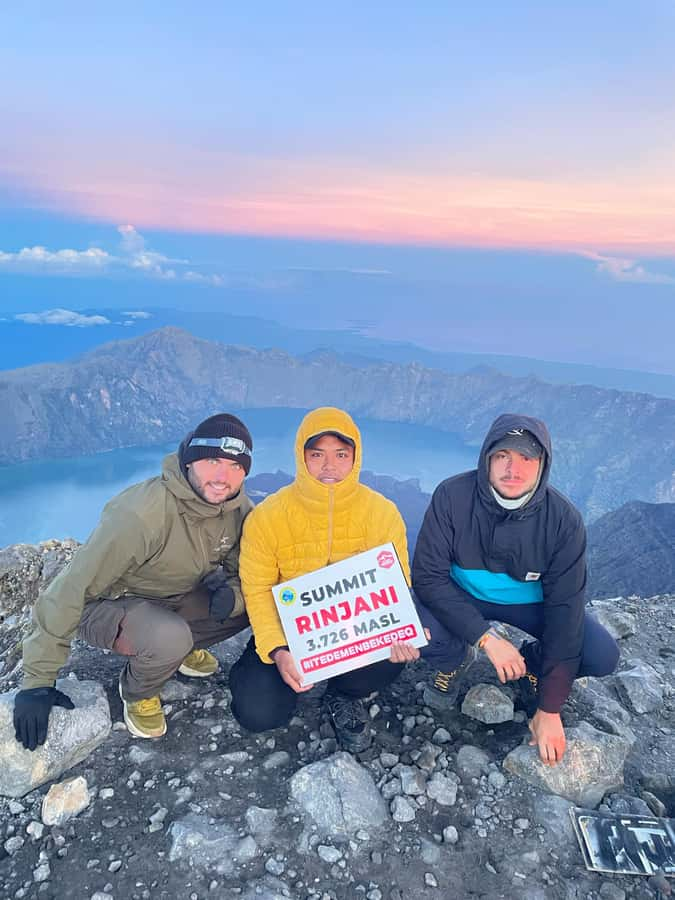
- The summit push begins at 3:00 am: Expect about three and a half hours of climbing in darkness before sunrise.
- Camping is at 2,639 meters: You sleep beside Sembalun Crater Rim with views of the lake, village, and northern Lombok.
- The last summit hour is the hardest: Loose volcanic stones make each step forward feel slow and slippery.
- Camping gear is supplied: Tents, mattresses, pillows, sleeping bags, a toilet tent, chairs, and a table are included.
- The permit is not included: National park registration costs Rp250,000 per person per day, and daily permits are limited to 240 people.
- Cold-weather gear matters: Bring warm gloves, a windproof jacket, a hat or balaclava, and solid hiking shoes.
The real shape of the Mount Rinjani trek
At $183 per person, this is not a casual mountain walk. It is a compact summit expedition with an early start, an overnight camp, porters, meals, and a long return to the trailhead.
The trip is designed for people who want the summit rather than a relaxed visit to the crater lake. You will spend much of the first day climbing to the rim, then use the second day for the summit and a four to five-hour descent to Sembalun village.
The small group size helps. A group of up to 10 is large enough to share the experience but still manageable on a narrow trail. English and Indonesian are available, and the guides are expected to help with pacing, rest stops, food, and the difficult final climb.
More Rinjani treks around Indonesia:
- Mount Rinjani Trek 3D-2N To Summit – Lake – Hotspring
★ 4.7 · 111 reviews - Rinjani trekking 2D 1N RIM
★ 5.0 · 94 reviews - Mount Rinjani 2-Day Trek to Senaru Crater Rim
★ 4.8 · 89 reviews
Permits are the first serious detail
Do not leave the national park permit until the last minute. Mount Rinjani permits are limited to 240 people per day, and once that number is reached, you cannot simply arrive and hike. Your date will need to move.
Registration can be completed through the eRinjani app. You need each participant’s passport number, full name, birthday, weight, height, and nationality. The entrance fee is Rp250,000 per person per day, paid directly to the Indonesian government account through an Indonesian bank.
If that payment process is awkward, a local guide can help with registration. The important point is to confirm the permit early and treat it as a fixed part of planning, not a small formality. The national park fee is separate from the $183 tour price.
Starting from Senaru and reaching Sembalun
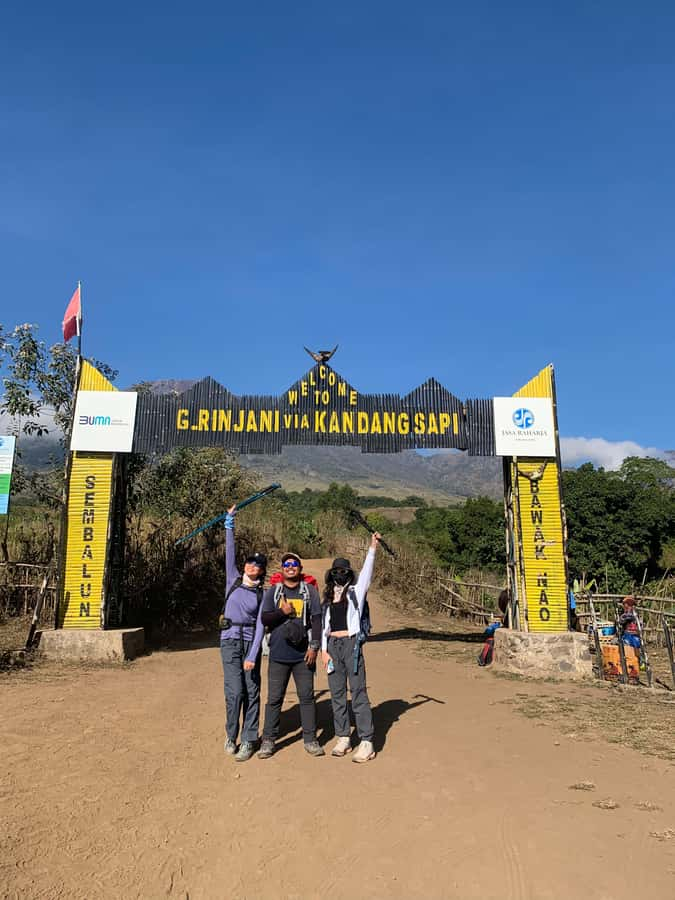
The day begins after breakfast with a transfer from Senaru to Sembalun village in a mountain vehicle. The drive takes about 45 minutes to an hour, with arrival planned for around 8:00 am.
The hike begins at the Rinjani Information Center, at roughly 1,051 meters. From there, the trail climbs to Post 1, also called the Monitoring Post, at about 1,300 meters. This first section takes around two hours, so it is a useful early test of your legs and pacing.
You then continue to Post 2, Tengengean, at 1,500 meters. The walk takes about an hour, followed by a short five to ten-minute rest. From Post 2, another hour brings you to Post 3, Pada Balong, at 1,800 meters.
The route is not technically difficult in the mountaineering sense, but it is a steady uphill grind. Pace yourself from the start. The temptation is to walk quickly while your legs feel fresh, but the real work comes later.
A long lunch at Post 3
Post 3 is more than a quick water stop. You spend about two hours here while the guide and porters prepare lunch and hot drinks. Tea, coffee, hot chocolate, or lemon tea are available.
This long break matters because the climb to the crater rim is the hardest part of the first day. You need food, water, and time to let your body settle before tackling the steep upper section.
Meals are one of the strongest parts of the arrangement. The portions are described as generous, and food and drinking water are provided throughout the trek. You should still bring cash for personal needs, but you are not expected to manage your main meals from snacks alone.
More two-day treks around Indonesia
- 2 Days and 1 Night Ethical Jungle Trek
★ 5.0 · 229 reviews - 2D1N Senaru Crater Rim Trekking
★ 5.0 · 178 reviews - 2 Days 1 Night Ethical Jungle Trekking
★ 5.0 · 153 reviews - ORANGUTAN TREK (2D/1N) by EcoTravel Bukit Lawang
★ 5.0 · 122 reviews
The steep climb to Sembalun Crater Rim
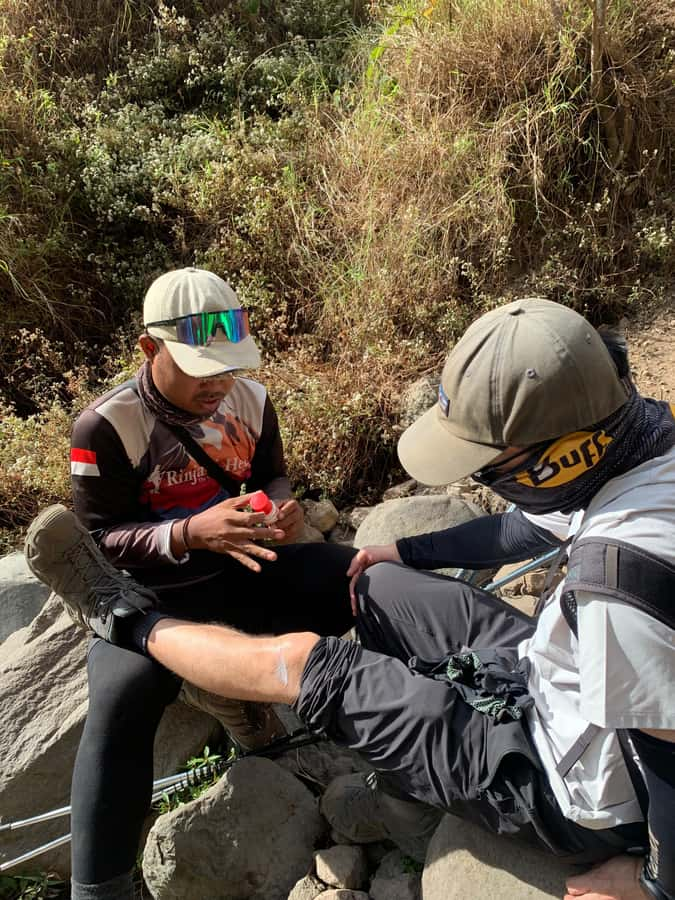
After lunch, you climb toward Pelawangan Sembalun, or Sembalun Crater Rim, at 2,639 meters. This section takes about three hours and includes a prolonged steep climb.
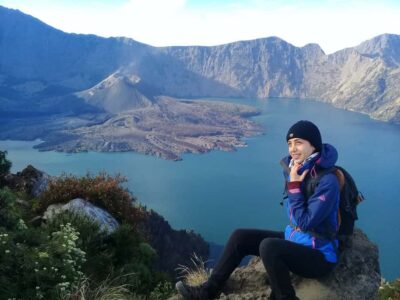
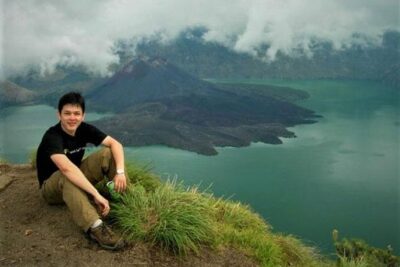
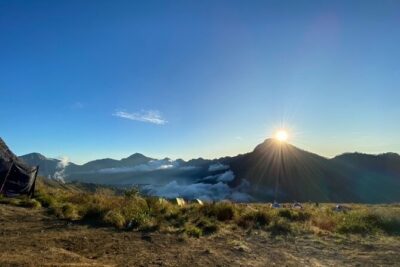
The effort is rewarded by a dramatic camp setting. From the rim, you can look toward Segara Anak Lake, Sembalun village, and much of northern Lombok. Sunset is part of the appeal, and the next morning brings sunrise views from the same high camp.
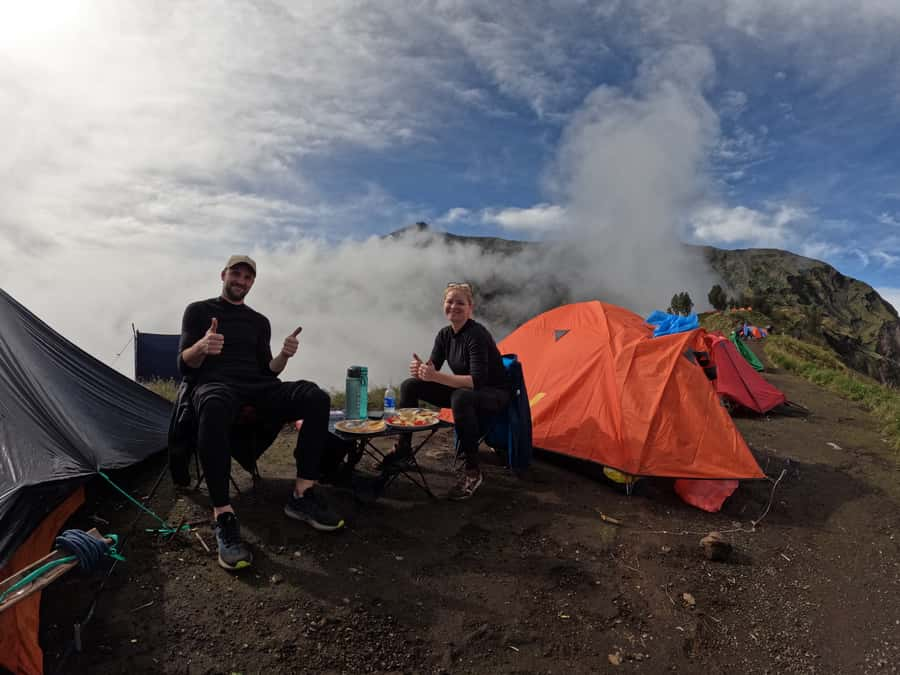
You sleep in a double-size tent with a mattress, pillow, sleeping bag, and camping equipment carried by the porter team. Chairs and a dinner table are also supplied, which is a small but welcome comfort after a long uphill day. A toilet tent is included as well.
Do not confuse supplied equipment with luxury. The camp is still high, exposed, and cold. One pillow was considered too small by a past participant, so if head and neck comfort matter to you, pack a compact personal option within your weight limit.
The 3:00 am summit push
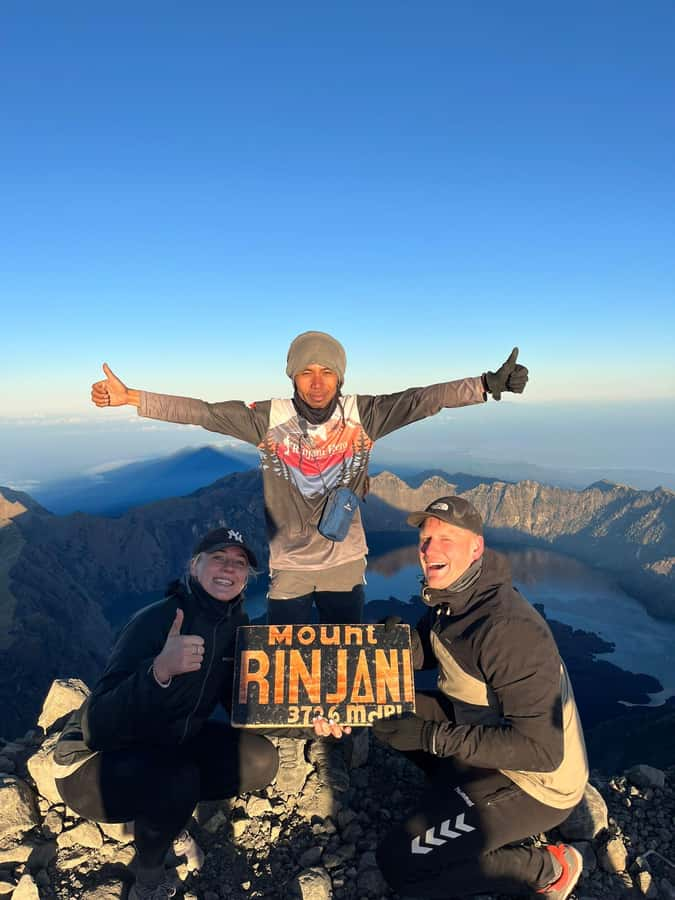
Wake-up is scheduled for 2:30 am, with the climb beginning at 3:00 am. You have a light breakfast before setting off with a head lamp.
The route to the 3,672-meter summit takes about three and a half hours. The first two hours are a moderate climb. After that, the trail becomes easier in angle but continues for a long way, which can be tiring in the dark.
The final hour is the real test. The slope becomes very steep, and loose stones slide beneath your feet. The description of taking two steps forward and slipping one step back is not an exaggeration of the difficulty. Good hiking shoes and patience matter more here than speed.
The cold can also be severe, especially with wind on the upper section. Bring thick gloves, a warm hat or balaclava, a windproof jacket, and suitable layers. Several people who enjoyed the trek still singled out cold-weather clothing as the one area needing clearer preparation.
The guide’s role is especially important during this part. Joko was praised for patience and for adjusting his pace to the group, while In was singled out for leading a strong experience. Individual guide assignments can vary, but you should expect help with pacing and the difficult sections.
Sunrise over Lombok and the return to camp
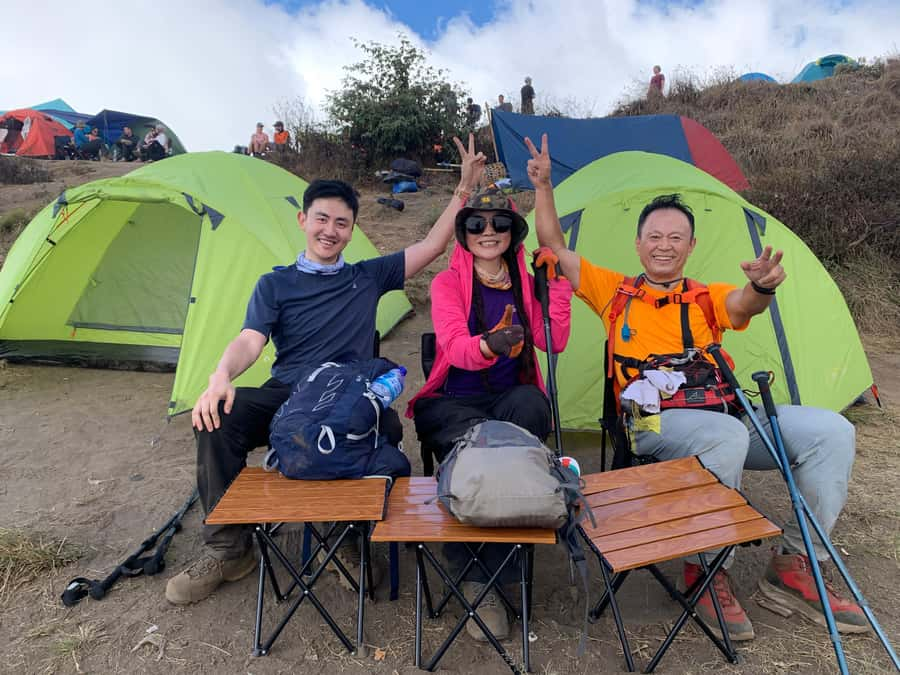
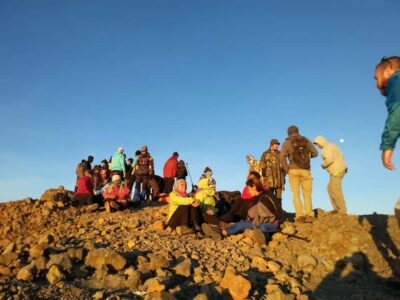
From the summit, you can see all of Lombok, Bali, Mount Tambora on Sumbawa, and Segara Anak Lake. The summit is also the moment to take the photographs that make the hard climb feel worthwhile.
After sunrise, you descend to Sembalun Crater Rim for breakfast. This return is not a gentle stroll. Your legs will already be tired, and loose ground can make the descent awkward.
After breakfast and a rest, you continue downhill to Sembalun village. The descent takes about four to five hours, with lunch at Post 3 or Post 2. You are expected to reach the village around midday, where a car transfers you back to Senaru.
This last section deserves respect. Many people focus so closely on reaching the summit that they forget the trek is not finished until the long descent is over. Trekking poles are included and are particularly useful for controlling your knees and balance on the way down.
What the $183 price really covers
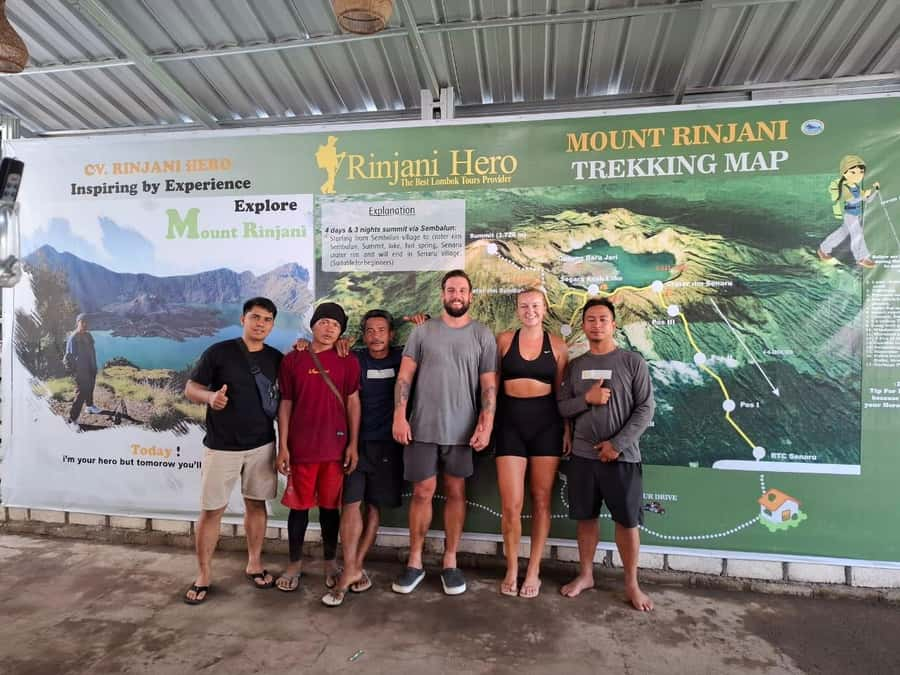
The price represents solid value if you need a fully arranged two-day climb. It includes:
- English or Indonesian-speaking trekking guide
- Porter for camping equipment
- Breakfast, lunch, dinner, drinks, and safe drinking water
- Double-size tent
- Sleeping bags, pillows, mattresses, chairs, and a toilet tent
- Head lamp
- Trekking poles and sticks
- Rain coat
- Insurance
The national park entrance fee is extra. Personal porter service is also an optional add-on if you want someone to carry your own belongings.
The included equipment reduces the amount you must bring, but not to zero. Your personal items need to fit in a small backpack of no more than 5 kilograms. The operator can store the rest of your luggage at its office.
That weight limit is useful. You do not want a heavy pack on the final slope. Bring only hiking shoes, toiletries, medication, sunscreen, insect repellent, a camera, a small towel, a few cotton shirts, trekking trousers, a windproof jacket, shorts, sandals, and swimwear if needed.
Food, porters, and the human side of the trip
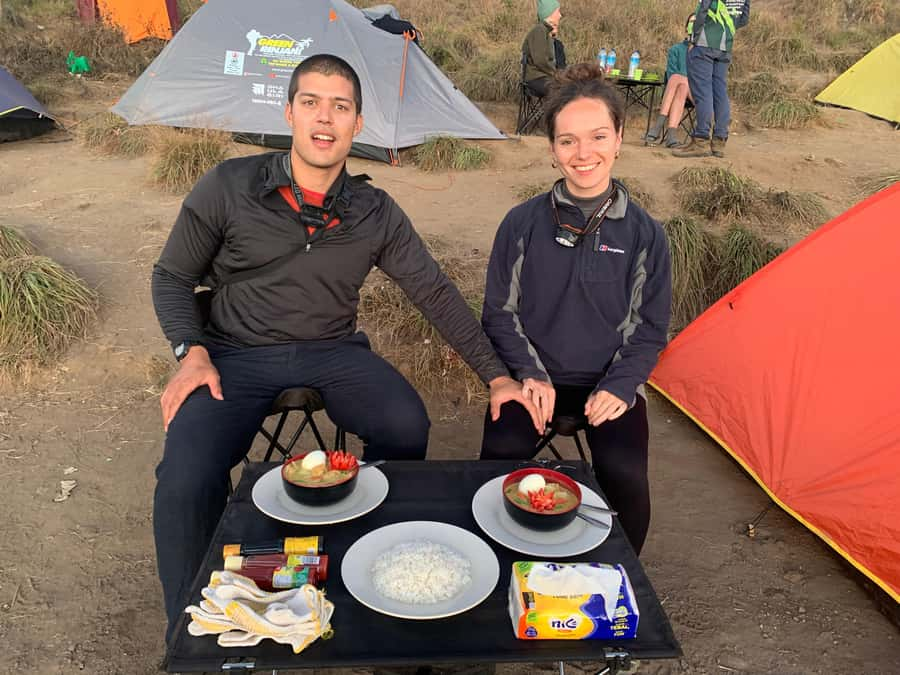
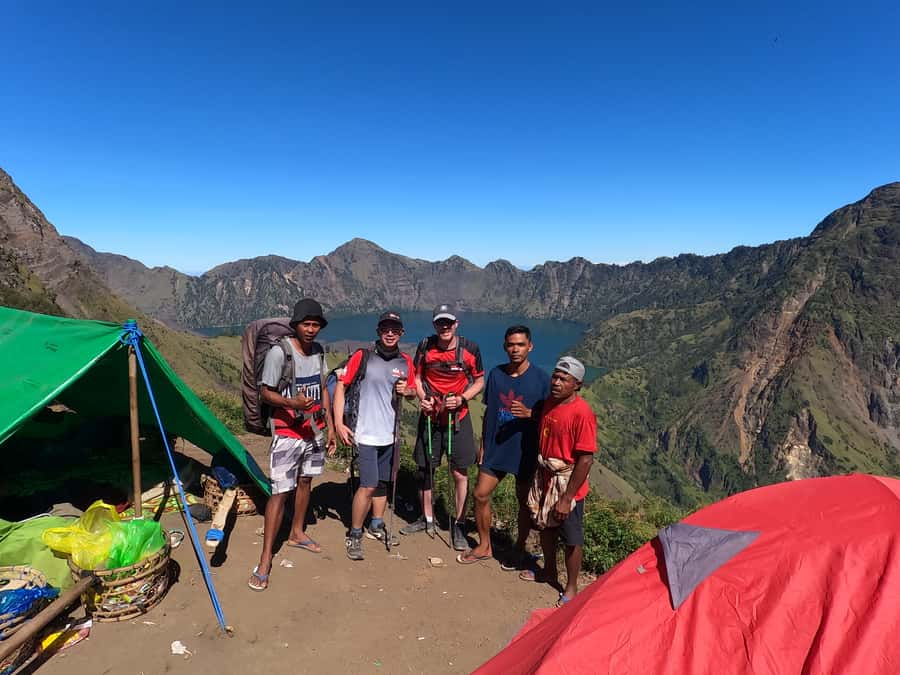
The guides and porters are a major part of the value here. They carry the camp equipment, prepare meals, organize the sleeping area, and help keep the timetable moving.
Food is served in large portions, with hot drinks at the main rest period. You will also have breakfast before the summit and again after returning to the rim. Having proper food rather than relying on trail snacks makes a real difference during this schedule.
The human care is not just a pleasant extra. On a demanding mountain, a patient guide can help you avoid rushing, manage breaks, and keep going when the group spreads out. A 16-year-old completed the trek with extra attention from the guide, showing how useful that support can be for younger but fit participants.
Transport deserves a careful note
Pickup can be arranged from places across Lombok to the Senaru meeting point, which is helpful if you are moving between towns or hotels. Contact the operator before arriving in Senaru so the pickup plan is clear.
There is one practical safety concern to keep in mind. A past transfer involved fast driving and passengers riding unrestrained in the back of a pickup truck. The driver slowed after being asked, but you should speak up immediately if the vehicle or driving feels unsafe. The mountain experience is demanding enough without adding a needless transport risk.
Who should book this trek?
This suits you if you:
- Have a good level of fitness
- Can walk long distances uphill and downhill
- Are comfortable sleeping in a tent
- Want the summit rather than only a crater-rim walk
- Can handle a 2:30 am wake-up and a pre-dawn climb
- Are willing to carry a small personal pack
- Enjoy dramatic views more than comfort and free time
It is not suitable for people with low fitness, altitude sickness, heart problems, diabetes, a fear of heights, or no hiking experience. Pregnant women, children under four, and people over 70 are also excluded.
The two-day schedule is efficient, but efficiency comes at a cost. You have little room for a slow morning or a recovery day. If you want a gentler Rinjani experience, this is probably not the right format.
What to pack for the cold and loose stone
The operator supplies useful gear, but you still need to prepare seriously. Pack:
- Hiking shoes with a firm grip
- Warm gloves, ideally thick enough for strong wind
- A windproof jacket
- Long trekking trousers
- A warm hat or balaclava
- Sunscreen and insect repellent
- Personal medication
- A charged smartphone
- A small towel
- Two to four cotton shirts
- Sandals and swimwear if useful
- Cash
A collared shirt is also listed among the items to bring. Keep your personal load below 5 kilograms. The operator can store larger luggage, so there is no reason to carry your full travel bag up the mountain.
Should you book the two-day Rinjani summit trek?
Book it if reaching the summit is your main goal and you value having food, equipment, porters, and a guide arranged in one package. The views are exceptional, the camp setting is memorable, and the included gear makes the logistics much easier.
Do not book it as a casual holiday activity. The final climb is steep and slippery, the cold is serious, and the four to five-hour descent comes after very little sleep. Confirm your permit early, train for long uphill walks, and bring more warmth than you think you need.
For a fit hiker who wants a demanding summit day without organizing every meal and piece of camp equipment, $183 is a fair price. Just make sure the national park fee is added to your budget and that your expectations match the mountain.
FAQ
How long is the Mount Rinjani summit trek?
The trek lasts two days. The first day runs from the Rinjani Information Center through Post 1, Post 2, and Post 3 to Sembalun Crater Rim. The second day includes the summit climb and the descent to Sembalun village.
What time does the summit climb begin?
You wake at about 2:30 am and start walking toward the summit at 3:00 am. The climb takes approximately three and a half hours.
Is the Mount Rinjani entrance fee included?
No. The national park entrance fee is separate and costs Rp250,000 per person per day. Permits are limited to 240 people per day.
How do I register for the Rinjani permit?
You can register through the eRinjani app using each person’s passport number, full name, birthday, weight, height, and nationality. A local guide can also help with registration.
What equipment is provided?
The tour provides camping equipment, a double-size tent, sleeping bags, pillows, mattresses, a toilet tent, chairs, a dinner table, head lamps, trekking poles, sticks, and a rain coat.
Can I bring a large backpack?
No. Personal items should fit into a small backpack weighing no more than 5 kilograms. Larger luggage can be stored at the local operator’s office.
Who should not join this trek?
The trek is not suitable for children under four, pregnant women, people with heart problems, diabetes, altitude sickness, a fear of heights, low fitness, or no experience. People over 70 are also not permitted to join.
New treks around Indonesia
- Pergasingan Hill Trek: Unveiling the Beauty of Sembalun★ 5.0 · 5 reviews
- Padang: Lubuk Hitam Waterfall Guided Trekking Tour★ 5.0 · 2 reviews
- North Bali: Explore Munduk Waterfall Trekking Experience★ 4.9 · 12 reviews
- Oke Rinjani 2-Day Trek – Summit senaru Climb & Amazing Views★ 5.0 · 3 reviews
- Munduk Jungle Trek: Twin Lakes View, Temple and Waterfall★ 5.0 · 2 reviews
- Munduk : Jungle Trekking,Canoeing,waterfall &authentic lunch★ 5.0 · 10 reviews
- Mt. Merapi Majesty: Soft Trek and Botanic Village Tour★ 5.0 · 5 reviews
- Munduk Jungle Trek to Banyumala & Pucak Manik – Private★ 5.0 · 29 reviews
Mount Rinjani Treks, side by side.
Mount Rinjani Trek 3D-2N To Summit – Lake – Hotspring
Read our review →
3D/2N Rinjani trekking summit,lake and hot springs.
Read our review →
Mt Rinjani Trekking 2 Days 1 Night (Senaru Crater Rim)
Read our review →
Rinjani Trekking 3 Days 2 Nights (Sembalun – Senaru)
Read our review →
Mount Rinjani Trekking 2D/1N Summit Sunrise & Sunset Views
Read our review →Lists this trek appears in