
Review · MOROCCO
Climb Toubkal: 2-Day Atlas Trek with Local Berber Guide
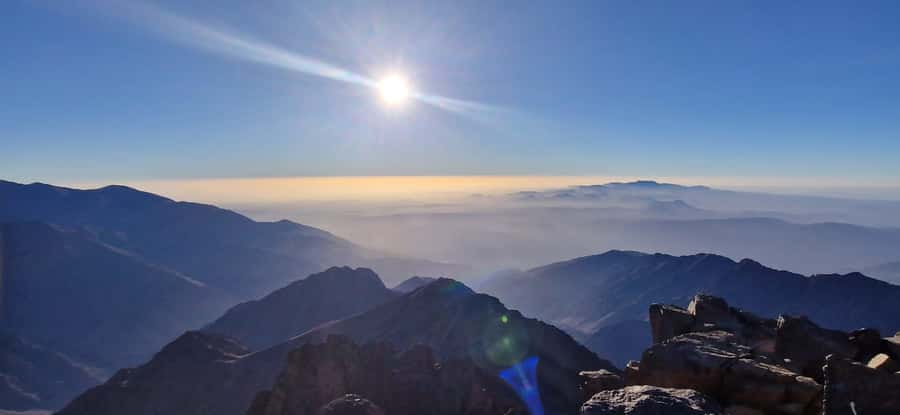
Mount Toubkal rises to 4,167 meters, making this the highest summit in North Africa. In two demanding days, you travel from Marrakesh to Imlil, walk through Berber villages, sleep at a mountain refuge, then climb through the dark toward the summit. The reward is a wide view over the Atlas Mountains and valleys.
I like the local Berber guide, especially Hussein, who combines steady encouragement with useful insight into village life and traditions. I also like the practical setup: meals are cooked along the route, a mule carries heavy bags, and pickup from your Marrakesh hotel is included in the $193 price.
The main catch is simple: this is a serious mountain trip, not a scenic stroll. The second day can involve about 8.5 hours of walking, a 1,000-meter ascent before breakfast, and a long descent of roughly 2,500 meters. Cold, thin air and little sleep at the refuge add to the test.
Key points to know before booking
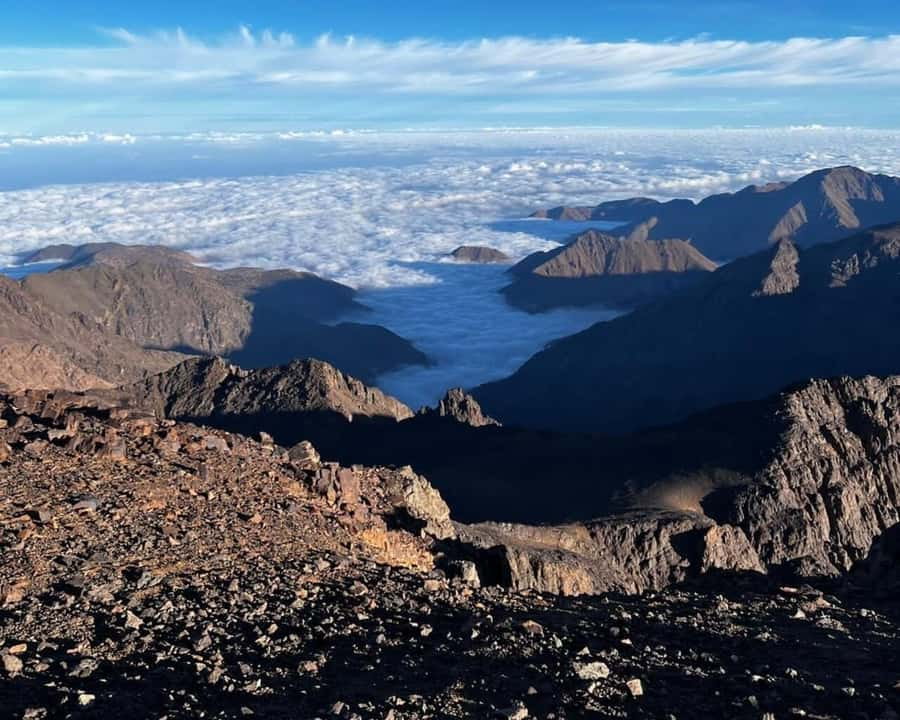
- 4,167-meter summit: You reach the highest point in North Africa, with 360-degree views from the top.
- Hussein and local Berber support: Your guide explains local culture, sets the pace, and helps manage difficult sections.
- Imlil to refuge on day one: Expect valleys, terraced fields, stone villages, lunch on the trail, and a night at 3,200 meters.
- Very early summit start: The climb usually begins around 4 a.m., after a 3 a.m. wake-up in the refuge.
- Mule, meals, and rental gear: Heavy bags can go by mule, all meals are provided, and crampons, headlamps, and other equipment can be rented locally.
- Best for fit hikers: Children under seven, people with low fitness, and people over 70 are not considered suitable for this trip.
From Marrakesh to the Berber village of Imlil
The tour begins with pickup from your hotel or riad in Marrakesh, usually by private car or van. Imlil is about 90 minutes from the city, so you leave the traffic and palm-lined plains behind fairly quickly.
Imlil is the practical starting point for the climb, but it also gives you your first taste of Atlas village life. Here, you meet your local guide and mule team, sort out any rented equipment, and hand over larger bags that you do not want to carry uphill.
That mule support matters. You still carry a daypack with water, warm layers, snacks, and personal gear, but you do not need to haul your full luggage to the refuge. Larger items can also be stored in Imlil for the duration of the trek.
The guide is a major part of the experience. Hussein has led groups with different ability levels, helped slow hikers reach the summit, and arranged last-minute rentals such as headlamps. He also uses the walking time to explain Berber customs and local traditions. The languages available for guiding are English, French, Arabic, and Spanish.
More Atlas Mountains treks around Morocco:
- Mt Toubkal Ascent Express Trek 2 Days 1 Nights
★ 4.7 · 962 reviews - Marrakesh: 2-Day Mt. Toubkal Trek with 1-Night Stay & Meals
★ 4.7 · 795 reviews - Marrakech: 2-Day Atlas Mountains Trek with Village Stay
★ 4.8 · 717 reviews
Day one: Imlil, village paths, and the Toubkal Refuge
From Imlil, the trail follows valleys and old mountain paths toward the refuge. The first part passes terraced fields and traditional stone Berber villages. You are not simply being moved from one mountain checkpoint to another. The route gives you a look at how people live in a highland setting, where fields, homes, trails, and streams fit closely together.
The walking begins at a manageable pace, but the climb keeps going. As you gain height, the village scenes give way to more open mountain views, rocky slopes, and taller Atlas peaks. The scenery becomes less about buildings and more about distance, height, and the changing shape of the valleys.
Lunch is served along the route. A stop beside a stream and a bridge in a small village has been part of the experience for some groups, with healthy food and mint tea arranged by the guide. Meals are not an afterthought here. You need the fuel, and a hot plate of food gives you a useful break before the steeper part of the day.
The exact walking time is not supplied, and it will depend on the group’s pace and conditions. Plan for a full day on foot rather than a short approach walk. You may be fit enough to move quickly, but your guide will set a pace that keeps the group together.
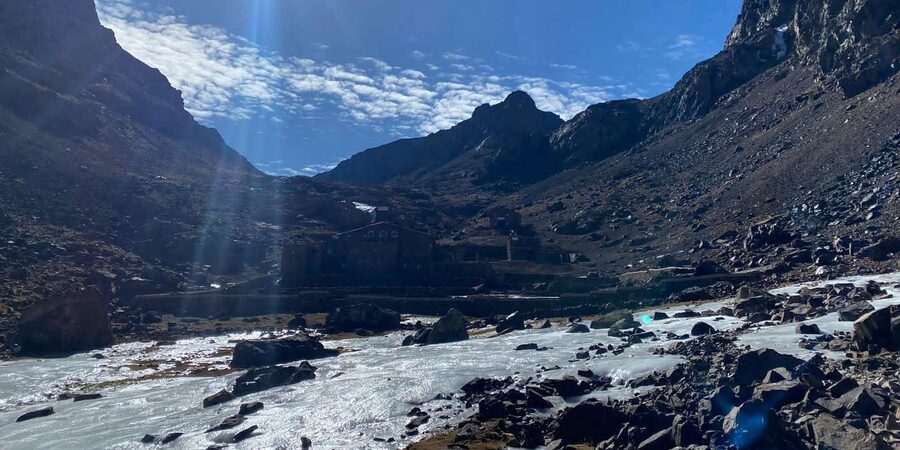
As the path rises, the air cools and the trail becomes rougher. The route eventually reaches the Toubkal Refuge at about 3,200 meters. This is your base for the night and the launch point for the summit attempt.
A night at 3,200 meters
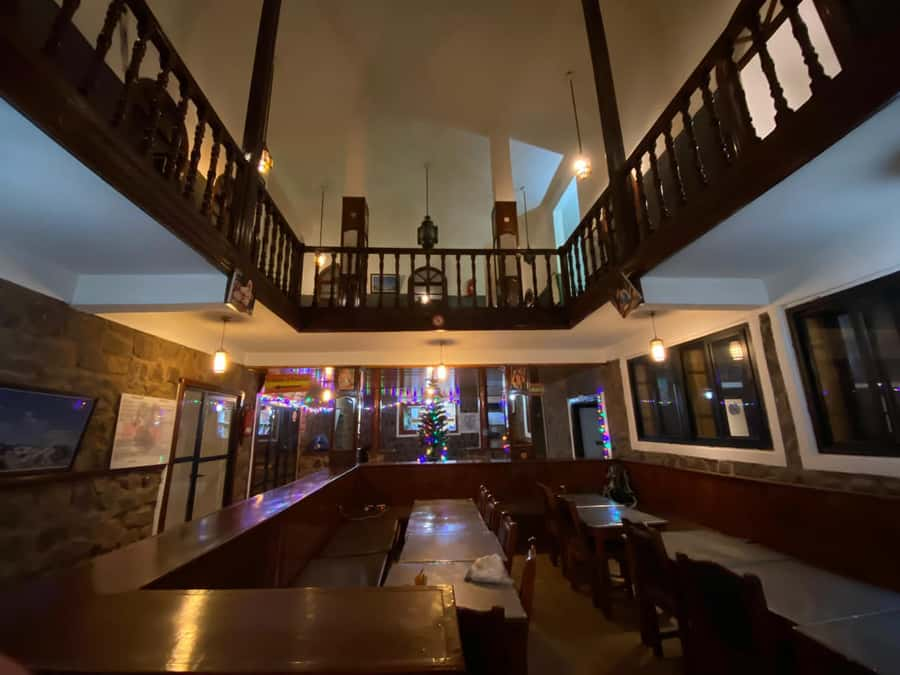
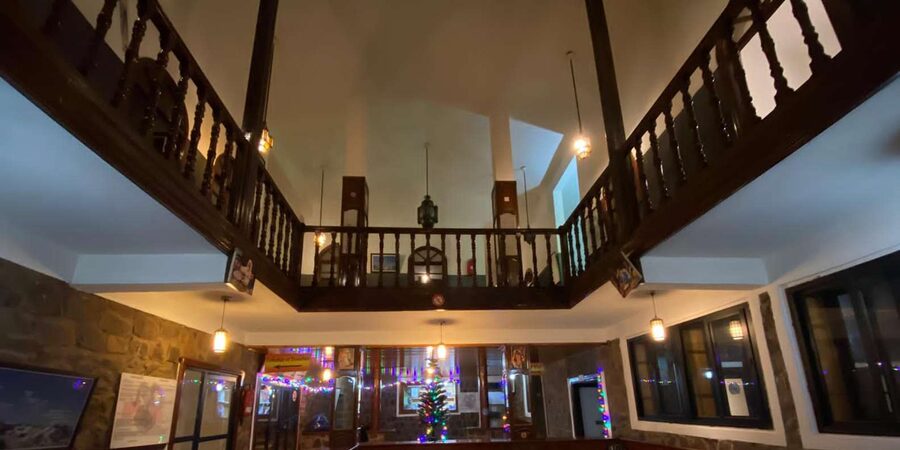
The refuge offers a bed, dinner, and a chance to prepare for the hardest part of the trip. It is basic mountain accommodation, not a private hotel. One useful detail from the experience is that the refuge can be noisy, so pack earplugs if you want the best chance of sleeping.
Dinner is traditional and designed to prepare you for the next day. Beef has been served, along with food similar to the substantial lunch on the trail. Dietary needs can be handled when you tell the guide in advance. After dinner, you should organize your layers, water, headlamp, and daypack before trying to rest.
The altitude is the first real issue here. You go from Marrakesh to a high mountain refuge in a short period, and some people may feel the change. The provided information does not promise an acclimatization day, so you should not treat this as an easy introduction to high altitude.
The early start also affects the night. Some groups wake around 3 a.m. and leave close to 4 a.m. That means you may get only a few hours of broken sleep before the summit climb. A shower has been available at the refuge, but comfort remains limited compared with accommodation in Marrakesh.
Day two: a dark climb toward Mount Toubkal
After an early breakfast, you start up the summit trail. The first section is often climbed in darkness, which is why a headlamp is essential. If you forget one, rental equipment may be available locally, but it is better to bring or arrange one before setting out.
The summit path is rocky and steep. You will need to use your legs steadily rather than rely on one dramatic burst of effort. The climb gains about 1,000 meters before you reach the top, and the cold becomes more serious as you rise.
Conditions depend heavily on the season. In warmer months, the trail is mainly rocky. In winter, snow can cover the upper sections and crampons are required. Mountain weather can change quickly at any time, so warm clothing is not optional even if Marrakesh is sunny and hot when you leave.
The guide’s role is especially important during this stretch. Hussein has helped people who were not fully prepared keep moving safely, while also accepting that the mountain sets the limits. A good guide will adjust the pace, offer encouragement, and make decisions when weather or trail conditions become unsafe. You should listen closely rather than treat the summit as guaranteed.
The climb can feel slow, particularly in thin air. Take small, steady steps and use the breaks wisely. You want enough energy left for the descent, which is long and can be harder on tired legs than the climb itself.
More two-day treks around Morocco
- From Marrakesh: 2-Day Mount Toubkal Trek
★ 4.7 · 591 reviews - Toubkal Trekking 2 Days
★ 5.0 · 98 reviews - Toubkal trek – 2 days
★ 5.0 · 90 reviews - Marrakech: 2-Day Atlas Villages Trekking Tour
★ 4.5 · 76 reviews
The summit at 4,167 meters
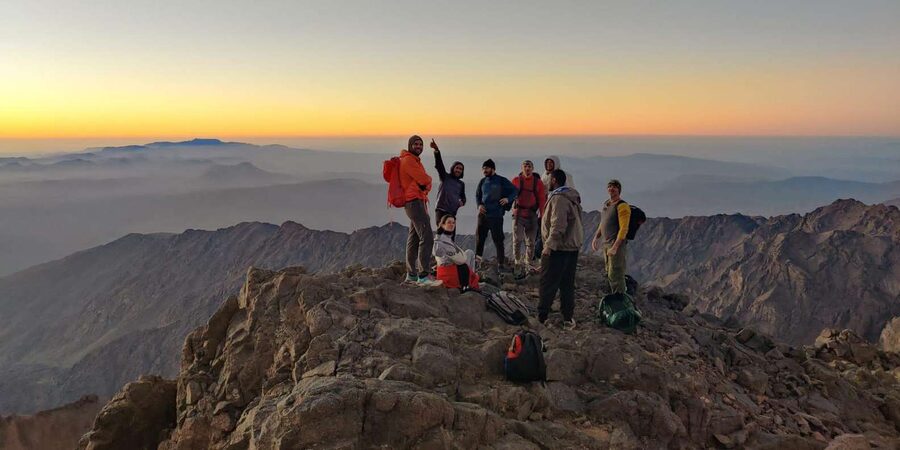
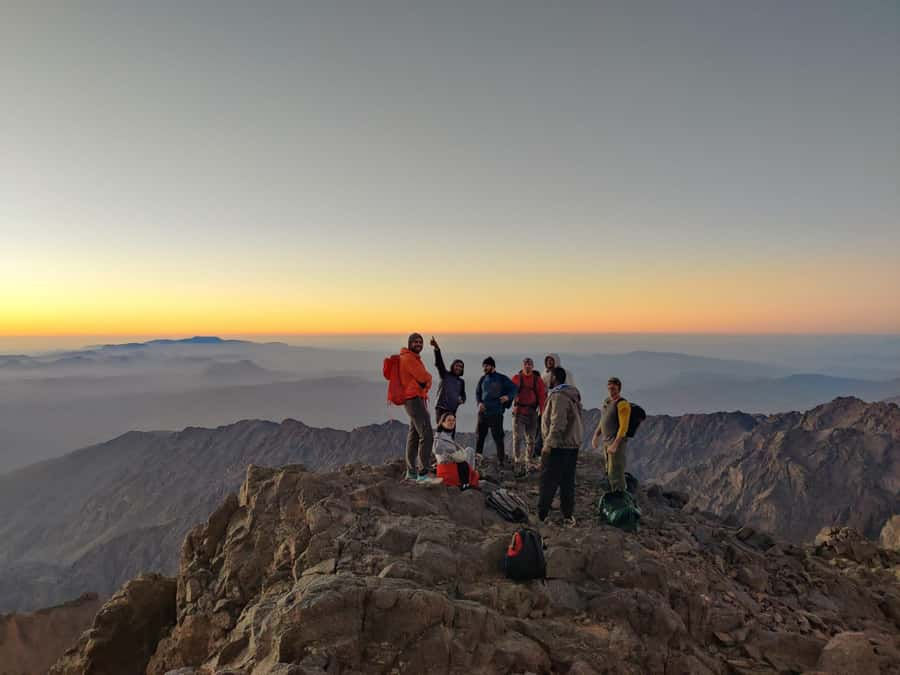
Reaching Mount Toubkal’s summit is the clear high point of the trip. At 4,167 meters, you are at the highest point in North Africa, with 360-degree views across the Atlas Mountains and surrounding valleys.
The summit experience is brief compared with the time spent climbing. You take photos, rest, enjoy the view, and let the achievement sink in. The open views are the payoff for the early alarm, cold air, steep rock, and basic refuge.
Do not judge the whole trip by the summit alone. The village paths, Berber meals, mule team, and conversations with your guide are what make this more than a simple peak-bagging exercise. The summit is the goal, but the route gives the experience its human side.
Cold can be extreme at the top. One December outing recorded temperatures near minus 30 degrees with wind chill, so a good base layer, insulated jacket, gloves, hat, and face protection are wise in winter. The supplied advice also calls for sunscreen and sunglasses because strong sun and snow glare can be a problem.
The long descent back to Imlil
After the summit, you descend along the same general route. You return to the refuge for lunch, then continue down toward Imlil. The drop is substantial, and one account puts the second day at about 2,500 meters of descent and 8.5 hours of walking in total.
This is where fitness matters most. Descending steep, rocky ground can punish knees and ankles, especially after a short night and a summit climb. Trekking poles are worth bringing or renting, and sturdy hiking shoes are far more important than fashionable outdoor clothing.
A descent gives you a new view of the route. In the morning darkness, you may notice only the trail immediately ahead. On the way down, the valleys and villages open up again, and you can see the ground you covered the previous day.
Lunch comes at the refuge before the final walk to Imlil. Once you reach the village, transport takes you back toward Marrakesh. The exact finish time will depend on weather, group pace, and how long the summit section takes, so avoid scheduling an important evening activity immediately afterward.
What is included for $193
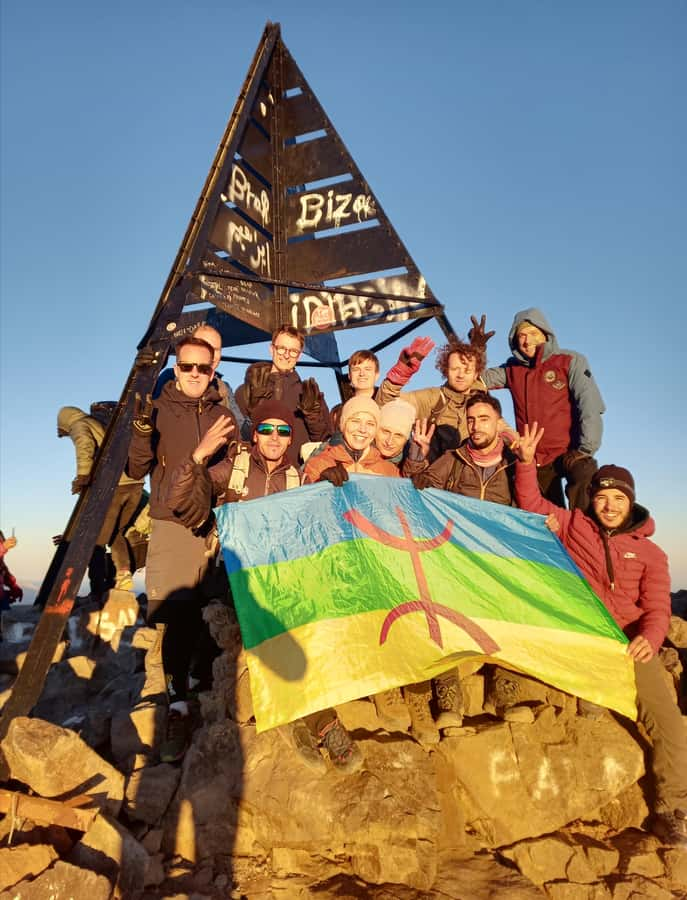
At $193 per person, the price covers more than a guide and a mountain path. You receive Marrakesh pickup and transport, a local guide, meals, an overnight stay, mule support for bags, a base camp visit, and the summit attempt.
That is solid value if you need transport from Marrakesh and would otherwise have to arrange each part separately. Food and mule support also reduce the amount of planning you need to do. The local guide adds value beyond route finding because you get cultural context during the walk and help with practical matters such as pacing and rented equipment.
Equipment is not included, but local rentals are available. Budget time and money for anything you lack. Key items include hiking boots, warm layers, a sleeping bag, a daypack, trekking poles, sunglasses, sunscreen, a water bottle, and snacks. Crampons are required in winter conditions, and a headlamp is important for the pre-dawn start.
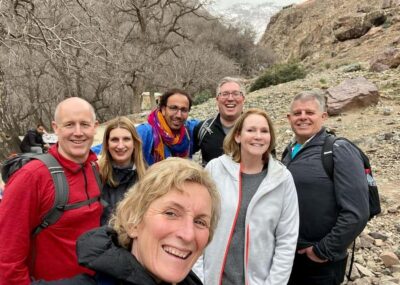
The phrase small group should not be taken as a fixed promise of a tiny private outing. Group size can vary. One outing had 10 people and two guides, while other outings had a smaller, more intimate feel. Ask about the expected group size if personal attention is a major reason for booking.
Free cancellation up to 24 hours before the activity and reserve-now, pay-later terms make planning easier. They do not remove the need to check the forecast and prepare properly for a high mountain.
Who should book this trek?
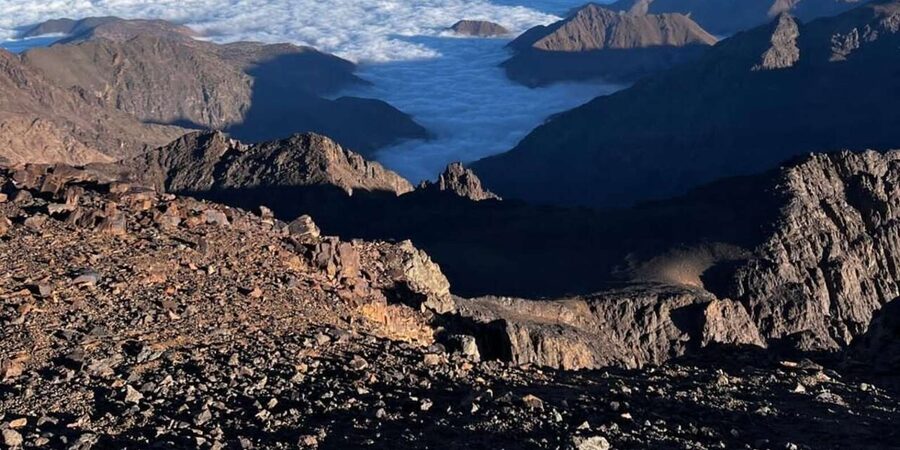
You should book if you enjoy strenuous hiking and want a direct introduction to the Atlas Mountains. It suits fit adults who are comfortable walking for many hours, sleeping in basic shared accommodation, and carrying a daypack in cold conditions.
It also suits you if cultural contact matters as much as the summit. The village visits, local meals, Berber guide, mule team, and traditional mountain hospitality give the trip a stronger local character than a simple transport-and-photo excursion.
You should think twice if you have a low fitness level, dislike steep rocky trails, or need a full night of sleep before strenuous exercise. Children under seven and people over 70 are listed as unsuitable, and the route is not designed for a casual family outing.
The trip is also a poor fit if you expect a guaranteed summit. Weather can change quickly, winter snow requires extra gear, and the guide may need to change the plan. That flexibility is part of responsible mountain travel.
Small details that make a big difference
Pack warm clothing even if your Marrakesh hotel feels hot. Bring a sun hat, warm hat, hiking pants, sturdy boots, sunglasses, sunscreen, water, snacks, and clothes that can get dirty.
A sleeping bag is listed among the items to bring. Keep your personal load light, since the mule carries larger bags but you still need your essential gear close at hand.
Bring earplugs for the refuge and a headlamp for the early start. If you forget equipment, rentals may be possible, but relying on last-minute availability is not the best plan for a demanding climb.
Tell Hussein about dietary requirements before the trek. Meals have been adapted successfully, and the food is intended to keep you moving rather than simply fill a schedule.
Should you book the Mount Toubkal trek?
Book this tour if you want the summit, but also want the climb explained by someone from the area. Hussein’s steady support, cultural guidance, meal arrangements, and practical help are central to the experience. The $193 cost is reasonable for transport, food, refuge accommodation, mule support, and guiding.
Do not book it because two days sounds short. The schedule compresses a major ascent and descent into a tight window. If you are fit, prepared, and willing to accept cold, noise, little sleep, and a long second day, this is a memorable way to reach North Africa’s highest peak. If you want an easy mountain view, choose a gentler Atlas outing instead.
FAQ
How high is Mount Toubkal?
Mount Toubkal is 4,167 meters high, or 13,671 feet. It is the highest mountain in North Africa.
Where does the trek begin?
The trek begins in Imlil, a Berber village about 90 minutes from Marrakesh. Pickup from your Marrakesh hotel or riad is included.
How long is the trek?
The activity lasts two days. Day one goes from Imlil to the Toubkal Refuge at about 3,200 meters. Day two includes the summit attempt and the return to Imlil.
Is food included?
Yes. All meals are provided, including local meals along the route and at the refuge. Dietary requirements can be accommodated when arranged with the guide.
Is equipment included?
Equipment is not included, but gear can be rented locally. You should bring sturdy hiking shoes, warm clothing, a daypack, a sleeping bag, water, sunscreen, sunglasses, and a hat. Crampons are required during winter snow conditions.
Do I need to carry my luggage?
A mule carries heavy bags for the trek. Larger luggage can also be stored in Imlil or left with the mule for the duration of the climb. You should still carry a daypack with personal essentials.
Who is this trek not suitable for?
The activity is not suitable for children under seven, people with a low level of fitness, or people over 70. The climb is strenuous, and the second day can involve about 8.5 hours of walking, including a steep ascent and a long descent.
New treks around Morocco
- Mount Toubkal Trek 2 Days & 1 Night★ 4.5 · 26 reviews
- Marrakech: Mount Toubkal 2-Day trek from Marrakech★ 5.0 · 2 reviews
- Marrakech: Guided 2-Day Trek to Imlil and Imnan Valleys★ 4.6 · 14 reviews
- Marrakech: 6 Day Trekking Tachedirt To Toubkal Via Ifni Lake★ 5.0 · 3 reviews
- Marrakech: High Atlas Tedali Summit Guided Day Trek★ 5.0 · 4 reviews
- Marrakech: 2 Day Toubkal Trek & 1 Nights with Hotel Pick up★ 5.0 · 2 reviews
- Marrakech: 2 Day Trek Atlas Mountains & Taoudja Summit 2724M★ 5.0 · 2 reviews
- Marrakech: 3-Day High Atlas Mountains and Three Valleys Trek★ 4.8 · 63 reviews
Atlas Mountains Treks, side by side.
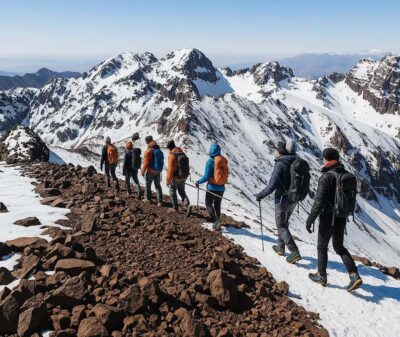
Mt Toubkal Ascent Express Trek 2 Days 1 Nights
Read our review →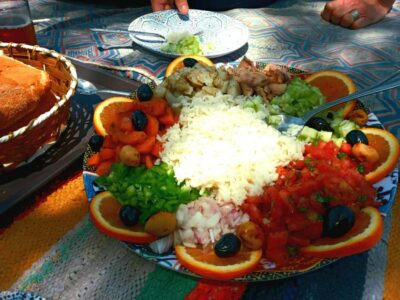
Marrakesh: 2-Day Mt. Toubkal Trek with 1-Night Stay & Meals
Read our review →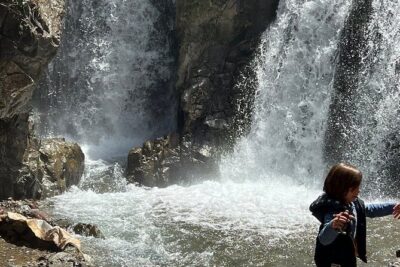
Marrakech: 2-Day Atlas Mountains Trek with Village Stay
Read our review →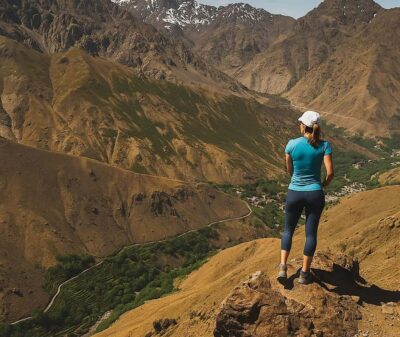
From Marrakech: 3-Day Mount Toubkal Climbing Trek
Read our review →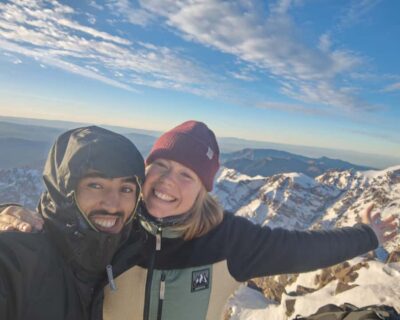
Summiting and Hiking the Atlas Mountains Day Trek from Marrakech
Read our review →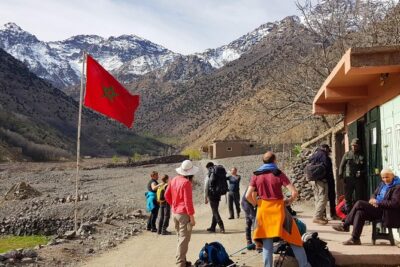
Lists this trek appears in