
Review · CHIANG RAI
Chiang Rai Trek:Jungle Hike, Bamboo-Cooked Lunch & Boat Ride
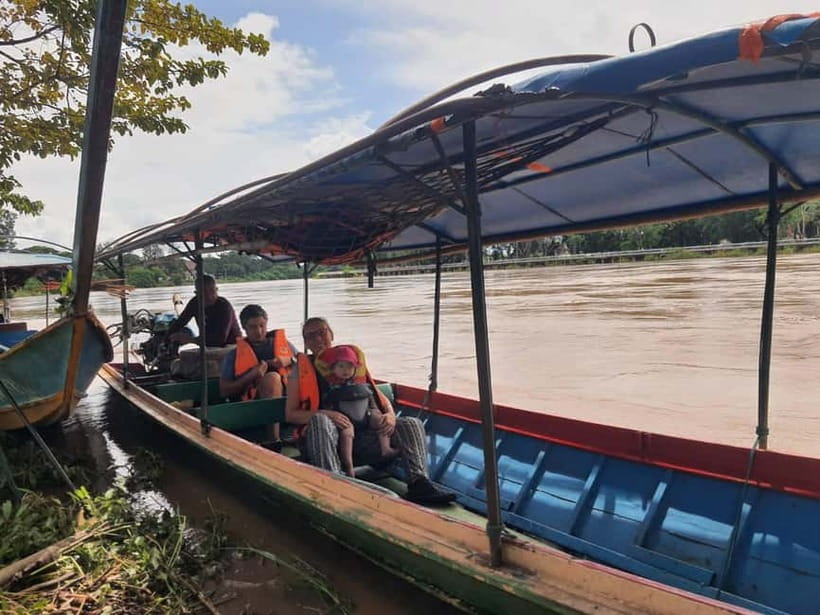
The best part of this Chiang Rai day trip is the jungle lunch. You cut bamboo for cups, chopsticks, and cooking vessels, then help prepare food over a fire using tools made from the forest. I like that the activity turns a walk into a hands-on lesson, and I like the long-tail boat ride up the Mae Kok River before the trail begins.
This is not an easy stroll. The hike can become slippery and tiring in wet weather, and you need steady footing, especially on uneven jungle paths. Still, guide Arju, also identified as Ayu or Aryu, can adjust the walking route, making the day more workable for fit families and older walkers.
Key points to know before you go
- Bamboo lunch in the jungle: Make cups, chopsticks, plates, and cooking vessels, then help prepare a meal over an open fire.
- Three hill-tribe communities: Visit Karen, Akha, and Lahu villages and see different rural ways of life.
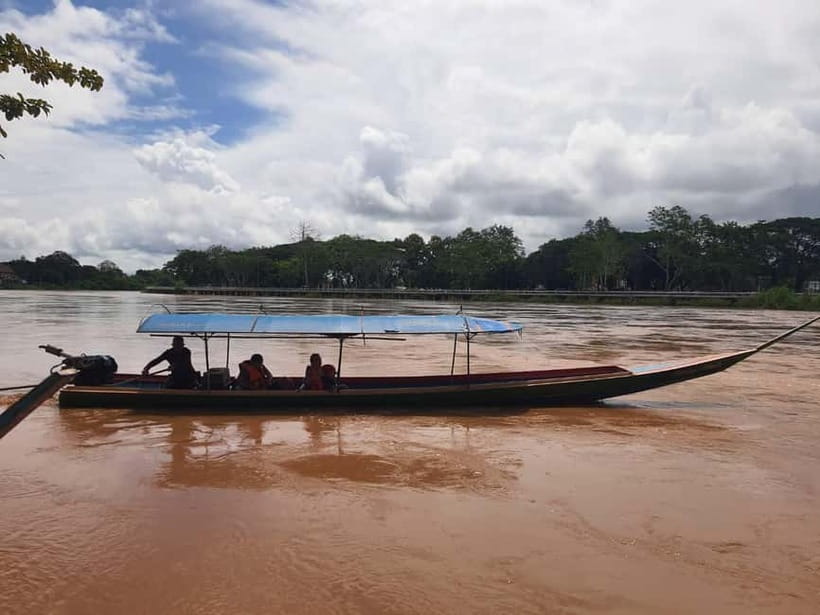
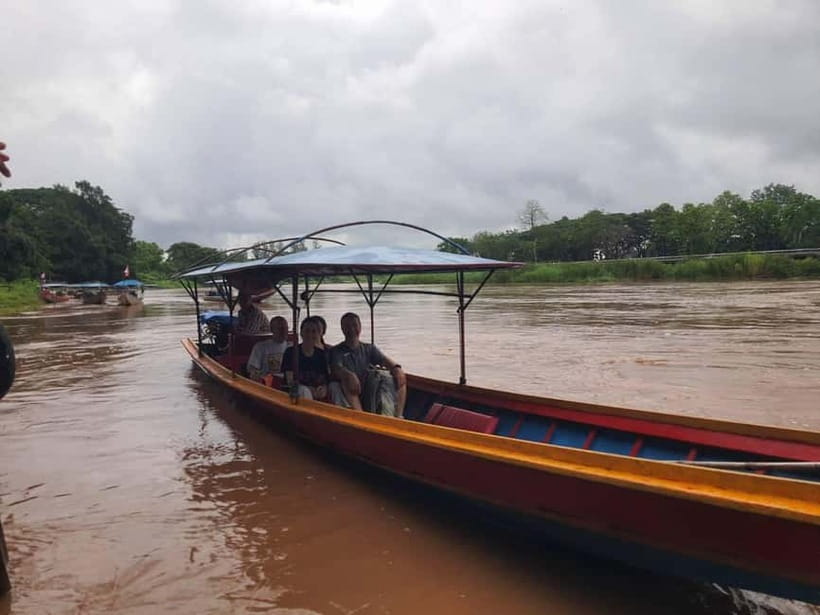
- Mae Kok River boat ride: Travel by motorized long-tail boat to the Karen area before heading into the forest.
- Waterfall swimming stop: Cool off beneath the falls or sit under the current for a natural shoulder massage.
- Hot spring finish: Pay 100 baht for the hot spring swimming area and relax before returning to Chiang Rai.
- Moderate to demanding walking: Comfortable shoes are essential, and wet conditions can make the trail much harder.
A full day beyond Chiang Rai’s city streets
At $77 per person, this is a full-day outing built around transport, guiding, lunch, a boat ride, and several outdoor stops. The value comes from the range of activities rather than from any single monument. You are not simply looking at villages from a van window. You are walking through the forest, making useful objects from bamboo, swimming, and eating a meal cooked along the trail.
Hotel pickup is provided from downtown Chiang Rai within about three kilometers. You should wait in your hotel lobby from 8:30 a.m. The trip returns to the same meeting point in the late afternoon, which keeps the start and finish simple.
The day is best for someone who wants a physical, practical look at rural northern Thailand. If your idea of a holiday means air-conditioning, short walks, and a fixed lunch in a restaurant, this is the wrong choice. If you like being outdoors and do not mind mud, heat, or a little uncertainty underfoot, it offers much more contact with the area.
More Jungle Treks in Thailand
- Chiang Rai: Jungle Adventure-Group Trekking & Bamboo Cooking
★ 4.9 · 166 reviews - Authentic trek only walk in Chiang Rai jungle
★ 5.0 · 90 reviews - Chiang Rai: 2-Day Jungle Trek only walk with Waterfall
★ 4.8 · 17 reviews
Riding the Mae Kok River by long-tail boat
The first major part of the day is a motorized long-tail boat ride up the Mae Kok River toward a Karen village. The trip takes about 40 minutes according to the tour details, giving you time to watch the riverbanks and settle into the slower rhythm of the countryside.
A long-tail boat is noisier and less polished than a sightseeing cruise, but that is part of its appeal. You are close to the water and moving through the region in a practical local-style boat rather than a large tourist vessel. Bring a hat and sunscreen, and keep your camera protected from spray.
The route may pass an elephant sanctuary, where you can see elephants near the water. This is a viewing stop, not the main focus of the trip, so do not book this day expecting an elephant encounter. The boat ride matters because it links Chiang Rai with the rural communities and trail areas without making the whole day a road journey.
The Karen village and the start of the forest walk
After reaching the Karen area, the day shifts from transport to walking. You begin learning how people can use bamboo and other natural materials when they have few tools at hand.
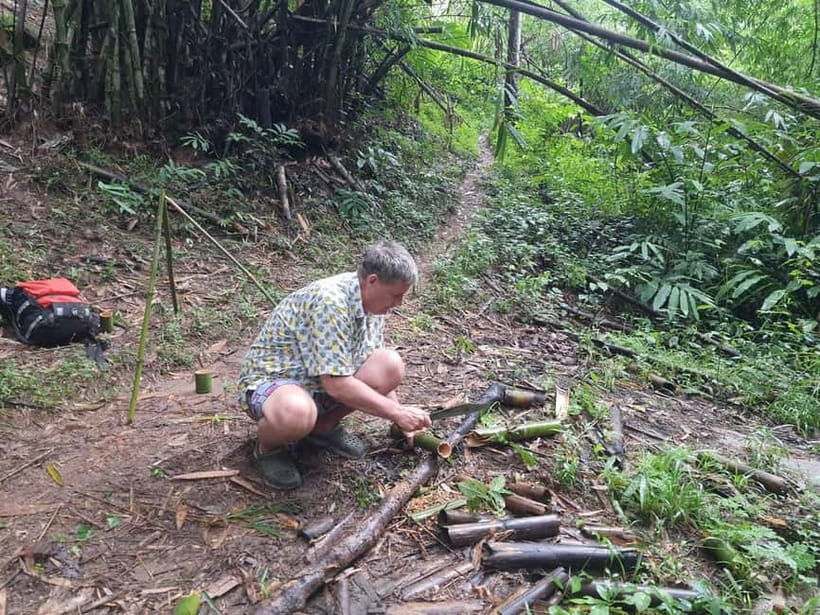
Your guide may cut bamboo and show you how to turn it into cups, chopsticks, rings, hats, or simple toys. This is one of the strongest parts of the outing because it gives children and adults something useful to do. It also helps you look at the forest differently. Bamboo is not just scenery here. It can become kitchenware, a toy, or part of a meal.
Guide Arju has been especially good at keeping children involved with these small projects while explaining plants and other things found along the path. You may also get to taste fruits or plants encountered during the walk. Since plant use can vary, follow the guide closely and do not touch or eat anything without permission.
The village visit calls for courtesy. Wear modest, practical clothing, ask before photographing people, and do not treat homes or daily routines as props. The stated rules also prohibit touching plants and littering. Those are sensible rules in a place where the forest is part of daily life, not simply a backdrop for your day out.
What the jungle hike is really like
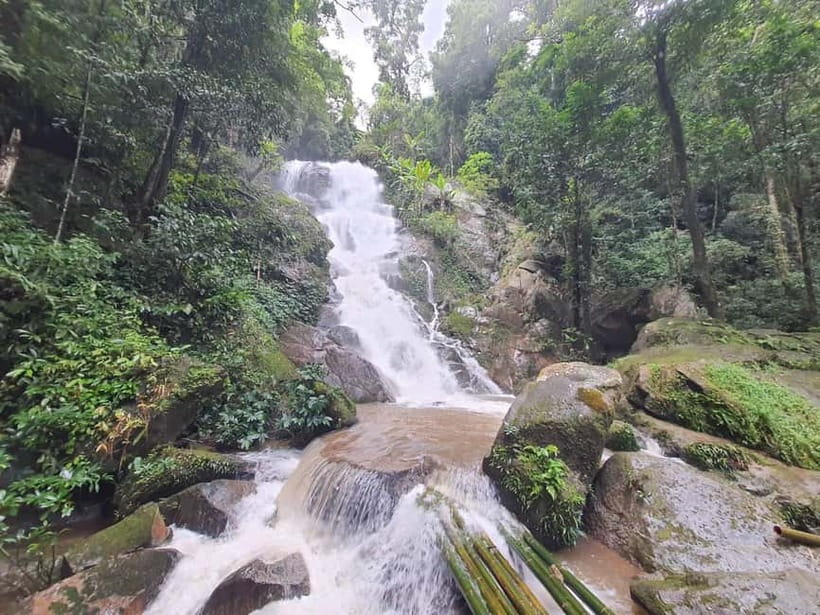
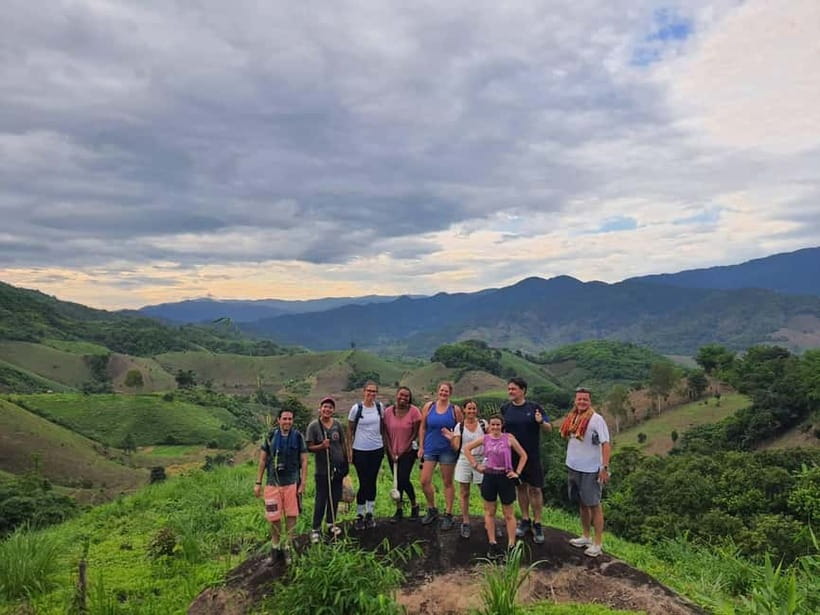
The hike is described as moderate, but that word depends heavily on weather. In dry conditions, fit children aged nine and eleven have managed the route. In heavy rain, the same path can become slippery and much more demanding.
Expect a fair amount of walking over uneven ground. You need comfortable hiking shoes with a good grip, not flimsy sandals. Long pants are useful for sun, insects, and brush. A long-sleeved shirt, insect repellent, sunscreen, and a hat belong in your day bag.
The jungle section is rewarding because it feels removed from the city and from standard roadside sightseeing. You pass a large tea plantation and see changing views as the trail moves through higher ground. The setting is attractive, but the walk is not designed for people with mobility limitations, back problems, or limited balance.
Guide Arju can offer a shorter route if needed. That flexibility is useful, but you should still be honest about your fitness before booking. The tour is not suitable for wheelchair users, pregnant women, babies under one year, or people who cannot manage uneven paths.
More Jungle Treks in Chiang Rai:
- Chiang Rai 1 Day Jungle Trek with Bamboo Lunch & Local Guide
★ 5.0 · 5 reviews - Chiang Rai Jungle Trek & Bamboo Tube Cooking Adventure
★ 5.0 · 5 reviews - Chiang Mai: 2-Day Jungle Trek with Elephant Farm & Raft Ride
★ 4.7 · 881 reviews - 3-Day Ethical Orangutan Jungle Trek | Bukit Lawang, Sumatra
★ 5.0 · 401 reviews
Making lunch from bamboo and fire
Lunch is the day’s signature activity. Along the way, you gather or cut bamboo and use it to make cups, chopsticks, and cooking containers. The guide then prepares food over an open fire, with you helping where appropriate.
This is more memorable than stopping at a restaurant because the meal connects directly to the walk. You see the raw material, help shape the utensils, and watch food cook in the forest. Children tend to enjoy this part, since they can take part instead of waiting at a table.
The meal has been described as a barbecue-style lunch and as delicious, but you should think of it as a simple outdoor meal rather than a polished restaurant service. Bring snacks in case you need extra food during a long active day. Drinking water is included, but carrying additional water is sensible, especially in hot or humid weather.
Cooking over an open fire also means timing can be less exact than on a standard tour. The guide is doing several jobs at once: leading the walk, explaining plants, making tools, and preparing lunch. That slower pace is part of the experience, but it may frustrate you if you want a tightly scheduled itinerary.
The tea plantation and waterfall break
The trail passes a large tea plantation before or around the lunch section. This gives you a change from dense forest and a chance to see one of the crops associated with the highland region.
After lunch, you continue toward a waterfall near a village. Swimming is optional. If you enter the water, you can stand beneath the falling current and let it work over your shoulders, which is a welcome reward after the hike.
Bring swimwear and a towel if you plan to swim. The waterfall stop is not a promise of a quiet spa pool. Conditions can change with rain, and wet rocks require care. If you would rather not swim, you can use the stop to cool down and rest.
This is one reason the tour works well as an active day. The itinerary alternates between effort and recovery: walking, eating, swimming, then more walking before the hot spring. You should not expect the waterfall to replace a proper rest period, though. The route continues afterward.
Meeting the Akha and Lahu communities
The afternoon includes visits to Akha and Lahu villages. These stops give you a look at different hill communities rather than presenting northern Thailand as one single rural culture.
The Akha village comes after the waterfall portion. You can observe the local way of life and see how the community differs from the Karen area. The Lahu village is farther into the high mountains and is described as having a very simple way of living.
The value of these visits depends on your attitude. You will get more from them if you listen, notice details, and respect personal space. This is not a staged cultural show with a long list of performances. The attraction is seeing homes, paths, and village life in a setting reached by foot and boat.
Do not expect every stop to feel equally detailed. The guide’s explanations shape much of what you understand, and the English-language tour depends on clear communication with the person leading your group. The strongest guides add useful context while keeping the day moving.
Ending at the mountain hot spring
The final stop is a hot spring pool in the mountains. After a full day of walking, the warm water gives you a chance to relax before the drive back to Chiang Rai.
Hot spring swimming is not included in the $77 price. You need to pay an additional 100 baht for the swimming area, so keep cash with you. The tour also excludes soft drinks, alcohol, and personal purchases.
This ending is well chosen, though the hot spring should not be your sole reason for booking. The forest walk and bamboo meal are the core of the day. The pool is a comfortable finish, not a full spa treatment.
After the hot spring, transport returns you to the original downtown meeting area in the late afternoon. Hotel pickup and drop-off, drinking water, lunch, insurance, the boat, and the guide are included, which keeps the extra costs fairly limited.
What to pack for a smoother day
The supplied packing advice is practical, and I would follow all of it. Wear light clothing, long pants, sturdy walking shoes, and a long-sleeved shirt. Hiking pants are better than jeans if rain is possible.
Pack the following:
- Hat and sunscreen
- Insect repellent
- Swimwear and towel
- Camera in a protective bag
- Snacks
- Extra drinking water
- Cash for the hot spring and personal expenses
Avoid bringing a baby stroller. Smoking, alcohol, drugs, and littering are not allowed. You should also avoid touching plants, even when something looks familiar.
Rain changes the character of the tour. The forest may look fresh, but mud and slippery slopes can make the hike much harder than the advertised moderate level. If the forecast is wet, wear shoes with strong grip and prepare for a slower day.
Who should book this Chiang Rai trek?
I would choose this trip if you want a physical day with local contact, outdoor cooking, and several kinds of transport. It suits active couples, families with older children, and fit older adults. One couple in their early sixties managed the walk, while the guide also offered a shorter option.
Families should understand that this is not a gentle nature walk. Children need to manage heat, uneven ground, and a long day. The bamboo crafts and waterfall help keep the outing engaging, but parents still need to judge their children’s stamina.
I would skip it if you have back problems, limited mobility, or dislike walking in humid conditions. It is also a poor match for anyone seeking a luxury cultural tour. The rewards come from participation and contact with the outdoors, not comfort.
Cancellation is flexible up to 24 hours before departure for a full refund, and you can reserve now and pay later. That is useful if your Chiang Rai plans are still moving, but the physical demands are more important to consider than the booking terms.
Should you book it?
Book this Chiang Rai trek if the idea of making your own bamboo cup, eating lunch cooked over a jungle fire, and swimming after a muddy walk sounds better than ticking off another city sight. The $77 price is fair for a full day with transport, a river boat, lunch, a guide, and several distinct stops.
Choose another outing if you need a smooth path, a short walking day, or a carefully polished cultural performance. For the right person, this trip offers a direct, hands-on look at northern Thailand, with guide Arju, Ayu, or Aryu adding much of the warmth and practical detail that makes the day work.
FAQ
Where does the Chiang Rai trek start?
Pickup is provided from hotels and meeting points in downtown Chiang Rai within about three kilometers. You should wait in the lobby from 8:30 a.m.
What communities do you visit?
The route includes Karen, Akha, and Lahu communities. The Karen area is reached by long-tail boat, while the Akha and Lahu villages are visited during the later walking route.
Is lunch included?
Yes. Lunch is included and is cooked over a fire using bamboo cooking containers and utensils made during the walk.
Is swimming included?
Swimming at the waterfall is optional. You can also swim at the hot spring, but the hot spring swimming ticket costs an additional 100 baht.
How difficult is the hike?
The walk requires a moderate amount of walking and can be demanding in wet weather. Slippery paths make the route harder, so sturdy walking shoes are important.
What is included in the $77 price?
The price includes a professional English-speaking guide, lunch, motorized long-tail boat transport, the trekking activity, insurance, hotel pickup and drop-off, and drinking water.
Who should not book this activity?
The tour is not suitable for pregnant women, people with back problems, people with mobility impairments, wheelchair users, or babies under one year.
New treks around Chiang Rai
- Cultural trekking and boat trip★ 5.0 · 5 reviews
- Chiangrai: Group Trekking with Bamboo Cooking★ 4.8 · 5 reviews
- Chiang Rai Trek: 4 Hilltribes Villages & Waterfall Only Walk★ 4.8 · 8 reviews
- Chiang Rai: The Adventure of Trekking & Bamboo Cooking★ 5.0 · 3 reviews
- Chiang Rai 1 Day Jungle Trek with Bamboo Lunch & Local Guide★ 5.0 · 5 reviews
- Chiang Rai: 2-Day Jungle Trek only walk with Waterfall★ 4.8 · 17 reviews
- Chiang Rai Jungle Trek & Bamboo Tube Cooking Adventure★ 5.0 · 5 reviews
- Akha & Lahu village trekking 1 day★ 4.8 · 18 reviews
Jungle Treks, side by side.
Chiang Mai: 2-Day Jungle Trek with Elephant Farm & Raft Ride
Read our review →
3-Day Ethical Orangutan Jungle Trek | Bukit Lawang, Sumatra
Read our review →
Monkey Business 3 days – 2 nights Jungle trekking (including rafting)
Read our review →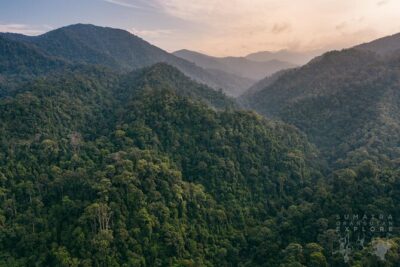

Khao Sok: Private Day Trekking, Jungle Dinner & Night Safari
Read our review →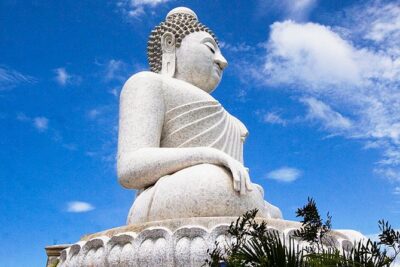
Big Buddha Jungle Trekking and Temple tour with Lunch
Read our review →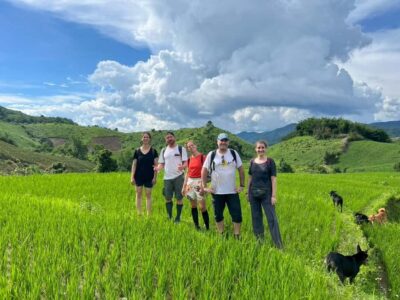
Chiang Rai: Jungle Adventure-Group Trekking & Bamboo Cooking
Read our review →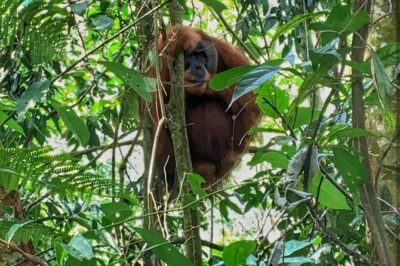
Lists this trek appears in