
Review · CHIANG RAI
Chiang Rai: The Adventure of Trekking & Bamboo Cooking
The most unusual part of this Chiang Rai outing is lunch: you cook it inside bamboo while sitting in the forest. Add a waterfall swim, several hill villages, a tea plantation, and a final soak at Pasoet Hot Spring, and you get a full day that feels far removed from town. I especially like the small group of no more than nine and the chance to see daily life in Lisu, Chinese, Akha, and Lahu communities.
I also like that the day is active rather than built around long photo stops. The main caution is the 10 to 12 kilometers of walking, with about five to six hours on foot over mountain and jungle paths. This is not a gentle sightseeing trip, so bring proper shoes, water, and the right expectations.
Key points at a glance
- Bamboo-cooked lunch: Learn how to prepare a meal using bamboo, then eat it in the forest.
- Four hill communities: Visit Lisu, Chinese, Akha, and Lahu villages during the route.
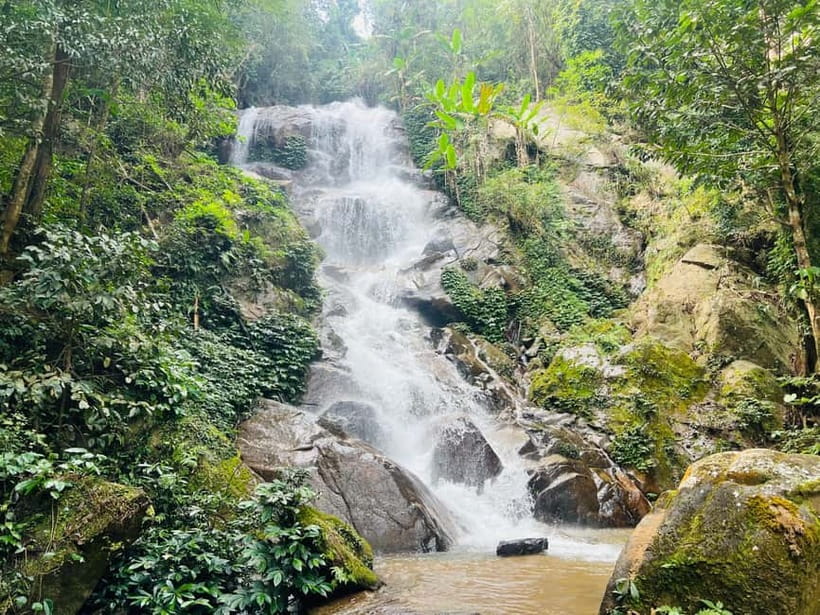
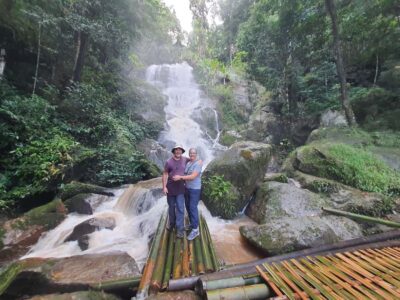
- Waterfall swimming: Stop at Huai Kaeo Waterfall for a refreshing break and possible swim.
- Tea plantation visit: Add a working agricultural stop to the mountain walk.
- Pasoet Hot Spring finish: End the day with time in a hot spa pool before returning to Chiang Rai.
- Small, active outing: A maximum of nine participants makes it easier to walk at a shared pace and hear the English or Thai guide.
Why this Chiang Rai trek feels different
Many day trips from Chiang Rai string together viewpoints and quick stops by vehicle. This one asks you to walk for much of the day, which changes the experience. You move through mountain forest and bamboo rather than simply looking at it from a road. The physical effort also gives the stops more meaning. A village, tea plantation, or waterfall becomes part of a route, not just another item on a checklist.
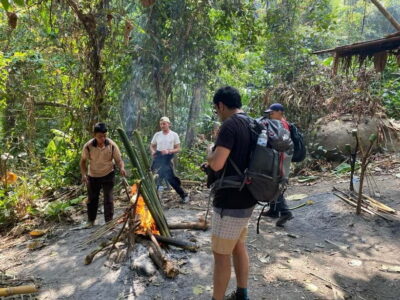
The bamboo lunch is the signature moment. You learn how bamboo can serve as a cooking vessel, then eat a meal prepared in that way. It is simple, practical, and tied to the setting. You are not just stopping for food at a restaurant, then returning to the van. You take part in one of the day’s most distinctive activities.
The day also has a clear rhythm. The morning begins with a drive from Chiang Rai, followed by a guided trek and village visits. Lunch breaks up the walking. The waterfall offers a cool pause, and Pasoet Hot Spring gives you a warm, relaxed ending. That variety helps, though the long walking time remains the central fact.
More cooking classes around Chiang Rai
- Chiang Rai: Jungle Adventure-Group Trekking & Bamboo Cooking
★ 4.9 · 166 reviews - Chiangrai: Group Trekking with Bamboo Cooking
★ 4.8 · 5 reviews - Chiang Rai Jungle Trek & Bamboo Tube Cooking Adventure
★ 5.0 · 5 reviews
From Chiang Rai to the mountain trail
Pickup is offered from hotels within three kilometers of downtown Chiang Rai and Bus Station Terminal 1. The stated pickup window is 9:00 to 9:30 a.m., and you should wait in the hotel lobby five minutes before your scheduled time. The drive to the trekking area takes about 45 minutes.
That transfer matters because it gets you beyond the city without asking you to arrange transport yourself. Hotel pickup and drop-off are included, as is insurance. If your hotel sits outside the stated pickup zone, check the arrangement before booking rather than assuming the van will come anywhere in the province.
Once you reach the trail area, the day becomes much more active. The guided portion runs for about two and a half hours before the waterfall stop, followed later by another walking section of about two and a half hours. The route is described as passing through mountains, bamboo forest, and jungle, so expect uneven ground and a steady amount of walking.
Bring hiking shoes, not casual sandals. Long or hiking pants are also recommended, along with a hat, sunscreen, and your own water. The tour specifically asks you to bring water and drinks, and beverages are not included.
Village visits across four cultures
The route includes visits to Lisu and Chinese villages early in the day, followed by an Akha and Lahu village later on. These stops give the trek a human element. You are not only walking through trees. You are also seeing communities connected to the hills around Chiang Rai.
The visit is best approached with respect and modest expectations. The information provided does not promise performances, craft demonstrations, shopping, or a formal cultural show. Instead, you should think of the villages as part of the route, with the guide helping place what you see in context.
The mix of four communities is one of the tour’s strongest features. It gives you a wider view than a single village stop, while still keeping the day focused on walking. You may find the pace more observational than staged, which suits anyone who prefers an outdoor excursion to a packaged cultural display.
Because you spend several hours on foot, these stops are not isolated from the rest of the day. The approach through forest and mountain paths is part of the experience. Wear clothing that can handle dust, heat, and movement, and avoid bringing anything you would worry about during a long trek.
Tea plants, bamboo forest, and the working countryside
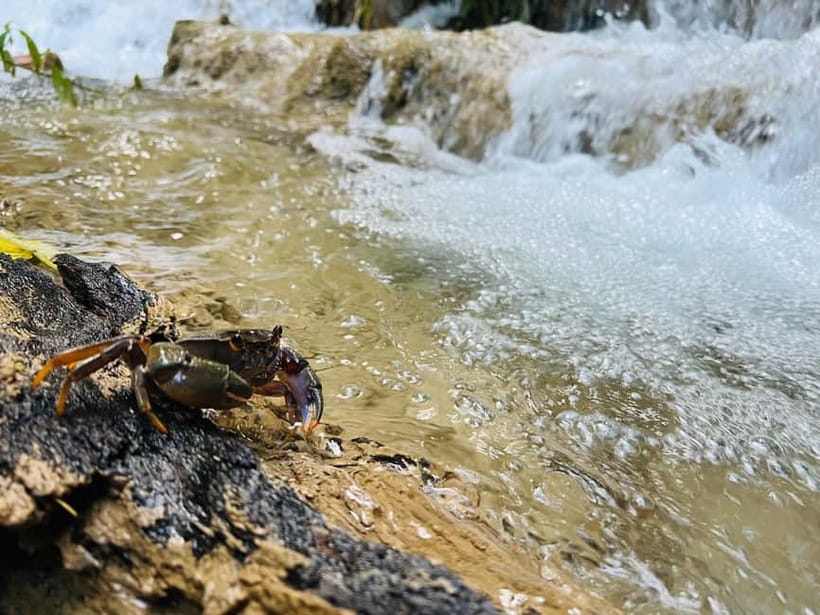
The tea plantation adds another useful layer to the route. Chiang Rai’s hills are well suited to tea growing, and a plantation visit lets you see agriculture as part of the local economy rather than as scenery alone.
The plantation is included as a tour stop, but no tasting or length of visit is specified. You should therefore expect a guided visit rather than plan around a full tea ceremony. It works well in the middle of a walking day because it changes the subject and the setting without breaking the connection to the hills.
The bamboo forest is just as important. Bamboo appears both as part of the route and as the tool used for lunch. That link makes the cooking activity feel connected to the place. You see the material growing, then learn how it can be used in a practical way.
This is where the tour has more character than a basic jungle walk. The guide does not simply lead you along a trail. The day uses the forest, villages, tea fields, food, and water as parts of one experience.
More treks around Chiang Rai:
- 1 Day Trekking in Chiang Rai forest (walk only)
★ 4.9 · 95 reviews - Authentic trek only walk in Chiang Rai jungle
★ 5.0 · 90 reviews - Chiang Rai: 1-Day Trekking and Longtail Boat Trip
★ 4.9 · 53 reviews - Akha & Lahu village trekking 1 day
★ 4.8 · 18 reviews
Cooking lunch in bamboo
The lunch stop lasts about an hour. During this break, you learn how to cook using bamboo and eat the meal prepared in the forest. This is the activity to remember when comparing this tour with other Chiang Rai treks.
The cooking is hands-on, but the supplied details do not list the exact dishes, ingredients, or cooking method. Keep that in mind if you have dietary restrictions or need a specific menu. The tour includes lunch, but beverages are not included, so carry your own drink.
I like this stop because it gives the middle of the day a clear purpose. After a morning of walking and village visits, you are not simply handed a boxed meal. You learn a technique, work with a natural material, and eat close to the trail. It also creates a natural social break in a group limited to nine people.
The small group size should help here. With fewer than ten people, the guide can explain the process without the stop feeling like a large demonstration. English and Thai guiding are available, though specific guide names are not provided.
Cooling off at Huai Kaeo Waterfall

Huai Kaeo Waterfall is scheduled for about an hour and offers the day’s best chance to cool off. The route includes time for a refreshing swim, so bring suitable clothing and protect anything that should not get wet.
The waterfall comes after a substantial amount of walking, which makes the stop more useful than a quick scenic photo. You can rest, cool down, and reset before the final stretch. The waterfall also adds contrast to the hot spring later in the day: one is a natural cold-water break, the other is a warm soak.
Swimming is not compulsory, and conditions can affect how comfortable the water feels. The important point is that this is a real pause in an active day, not just a stop beside the water. If you do not want to swim, you still have a place to rest before continuing.
The final walk to Pasoet Hot Spring
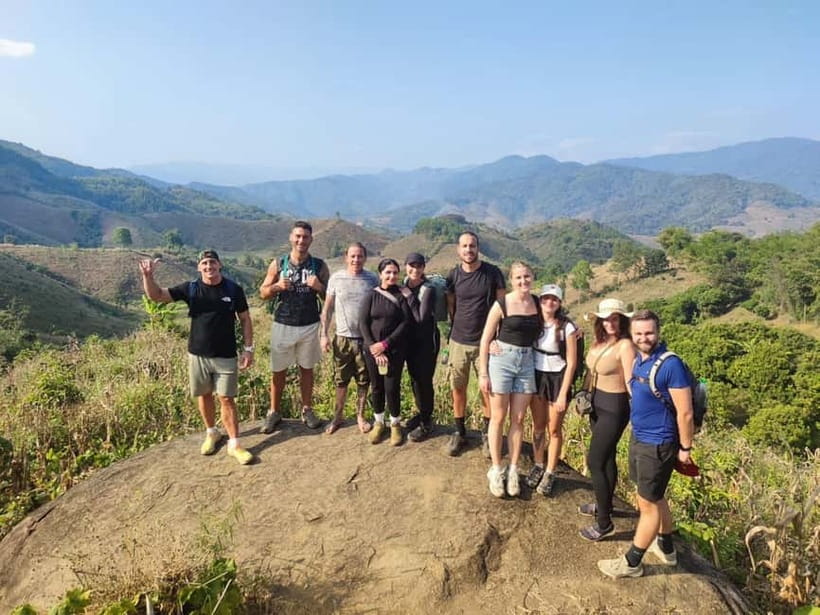
After the waterfall, the route continues on foot toward Pasoet Hot Spring, passing through the jungle and the Akha and Lahu village area. This second walking section lasts about two and a half hours, so do not assume the waterfall marks the end of the physical part.
Pasoet Hot Spring is the closing reward. You can take a dip in the hot spa pool before the group drives back to Chiang Rai. The swimming ticket costs about 100 baht and is not included in the tour price. Drinks are also extra.
This ending works well for a trek because it gives tired legs a chance to relax. It also means you should pack with both swimming and walking in mind. A change of clothes or a small towel would be sensible, although these items are not specifically listed as required.
The final transfer back to Mueang Chiang Rai takes about 45 minutes. With the morning drive, the walking, the breaks, and the return journey, the eight-hour schedule makes for a full day. Do not book a tight evening connection or an important appointment immediately afterward.
Is the $57 price good value?
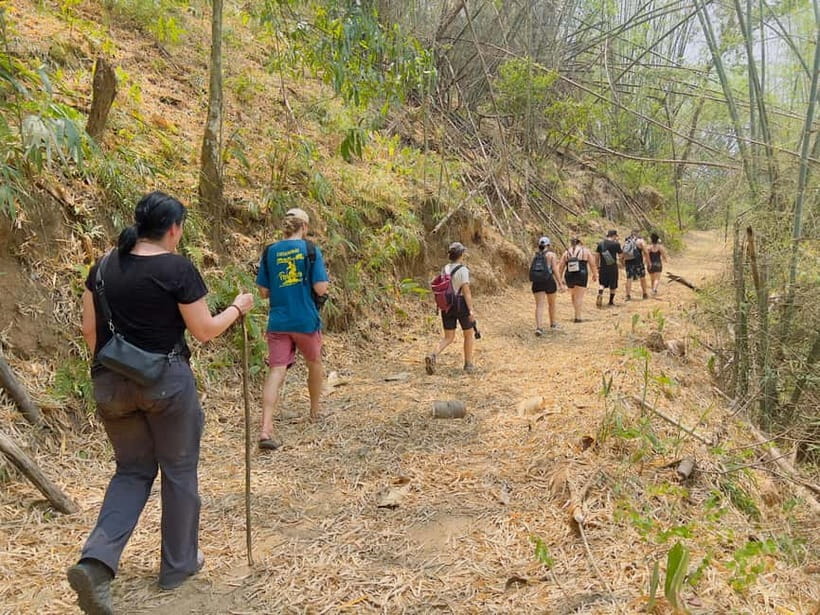
At $57 per person, this is a strong value if you want an active, guided day rather than a simple vehicle tour. The price includes hotel pickup and drop-off within the stated zone, insurance, a live English or Thai guide, the trek, village visits, tea plantation stop, bamboo-cooked lunch, and waterfall visit.
You still pay about 100 baht for the hot-spring swimming ticket, and beverages are not included. Those are small extra costs, but they should be part of your budget. You also need to provide your own water and drinks.
The value comes from the number of connected activities. A separate trek, village visit, cooking class, waterfall outing, and hot spring transfer could cost more and require more planning. Here, they are joined into one day with transport included.
The trade-off is comfort. You are paying for a long active route, not luxury transport, a slow resort day, or a polished cooking school. The best value goes to someone who wants movement and variety and is happy to spend much of the day outdoors.
Who should book this outing?
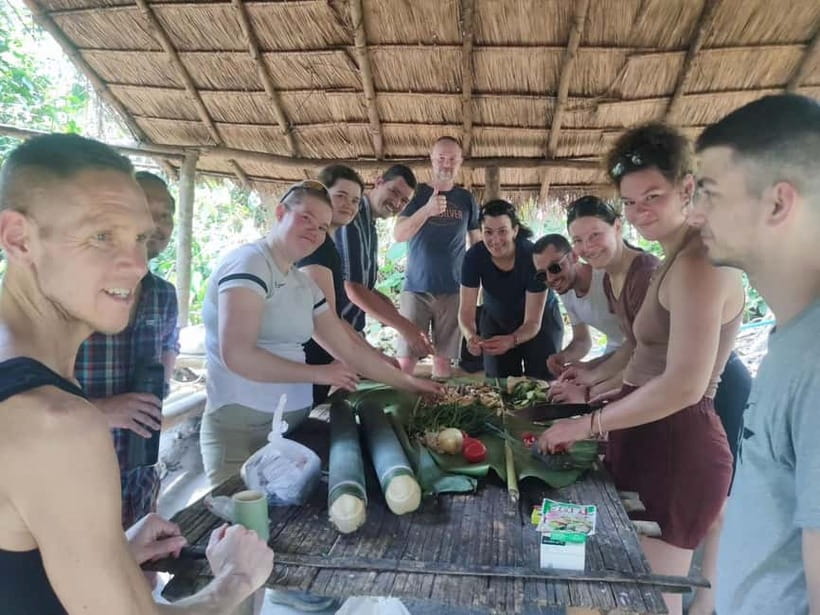
I would recommend it to fit hikers, active couples, small groups of friends, and solo visitors who like meeting a small number of fellow participants. The age guidance rules out babies under one year and people over 70, and the experience is not suitable for anyone weighing more than 209 pounds, or 95 kilograms.
You should also be comfortable walking 10 to 12 kilometers, with an expected walking time of five to six hours. That distance is the key decision point. If you usually enjoy long walks on uneven paths, the route should feel rewarding. If you prefer short walks between vehicle stops, choose a less demanding Chiang Rai outing.
The tour is also a good match if you want more than scenery. The bamboo lunch, village visits, and tea plantation make it useful for people curious about local life and food. The waterfall and hot spring keep the day from becoming only a cultural walk.
The strongest praise focuses on the guides and the overall day, with specific feedback describing the guides as fantastic and the jungle walk, bamboo meal, and waterfall swim as especially enjoyable. That matches the tour’s main strength: it combines a friendly guided trek with activities that are easy to remember.
What to bring for a better day
Pack light, but do not leave out the basics. You will be outside for hours, and the walking distance is long.
- Hiking shoes with a firm grip
- Long pants or hiking pants
- Hat and sunscreen
- Your own water and drinks
- Swimwear or clothing suitable for the waterfall and hot spring
- A change of clothes for the return journey
Alcohol and drugs are not allowed. Keep valuables to a minimum, since the day includes forest walking, cooking, swimming, and a hot-spring stop.
Free cancellation is available up to 24 hours before departure, and you can reserve now and pay later. The minimum group requirement is two people, so confirm that the departure is operating if you are booking alone.
Should you book the bamboo cooking trek?
Book it if you want a full, active day with a small group, local village visits, hands-on food preparation, and two very different kinds of water stop. The combination of bamboo cooking and the hot-spring finish gives it more personality than a standard forest walk.
Think twice if five to six hours of walking sounds tiring, or if you need a highly structured cultural program with detailed demonstrations at every village. The route is the main event, and the activities work best when you are ready to walk between them.
For fit visitors based in central Chiang Rai, the $57 price is fair. Bring water, wear proper shoes, allow the whole day, and treat the bamboo lunch and village visits as part of the journey rather than quick attractions.
FAQ
How long does the Chiang Rai trekking and bamboo cooking experience last?
The activity lasts about eight hours, including transport from Chiang Rai, the guided trek, breaks, and the return drive.
Where is hotel pickup available?
Pickup is available from hotels in Chiang Rai within a three-kilometer radius of downtown and Bus Station Terminal 1.
What time does hotel pickup take place?
The stated pickup window is 9:00 to 9:30 a.m. You should wait in your hotel lobby five minutes before your scheduled pickup time.
How far will I walk?
The total walking distance is approximately 10 to 12 kilometers, with an expected walking time of around five to six hours.
Which villages are included?
The route includes visits to Lisu, Chinese, Akha, and Lahu villages.
Is lunch included?
Yes. Lunch is included and involves cooking with bamboo in the forest.
Is the hot-spring entry fee included?
No. The swimming ticket at the hot spring costs about 100 baht and is paid separately.
What languages are available from the guide?
The tour is available with a live guide speaking English or Thai.
New treks around Chiang Rai
- Cultural trekking and boat trip★ 5.0 · 5 reviews
- Chiangrai: Group Trekking with Bamboo Cooking★ 4.8 · 5 reviews
- Chiang Rai Trek: 4 Hilltribes Villages & Waterfall Only Walk★ 4.8 · 8 reviews
- Chiang Rai Trek:Jungle Hike, Bamboo-Cooked Lunch & Boat Ride★ 5.0 · 7 reviews
- Chiang Rai 1 Day Jungle Trek with Bamboo Lunch & Local Guide★ 5.0 · 5 reviews
- Chiang Rai: 2-Day Jungle Trek only walk with Waterfall★ 4.8 · 17 reviews
- Chiang Rai Jungle Trek & Bamboo Tube Cooking Adventure★ 5.0 · 5 reviews
- Akha & Lahu village trekking 1 day★ 4.8 · 18 reviews
Chiang Rai Trekking Tours, side by side.
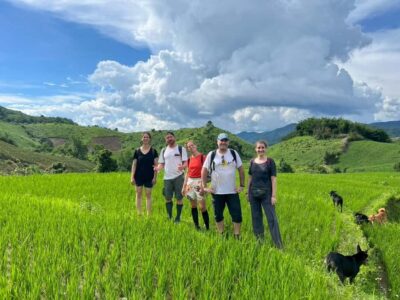
Chiang Rai: Jungle Adventure-Group Trekking & Bamboo Cooking
Read our review →
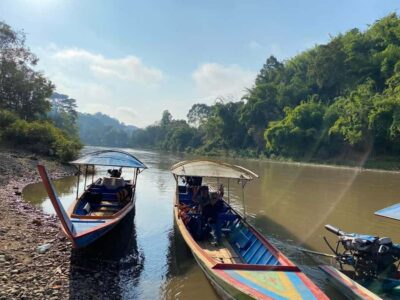
Chiang Rai: 1-Day Trekking and Longtail Boat Trip
Read our review →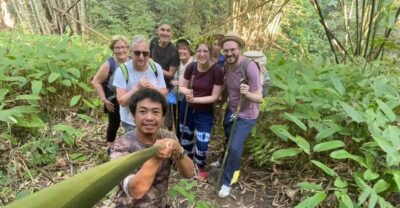
1 Day trekking : Chiang Rai popular activity,Fun in Nature.
Read our review →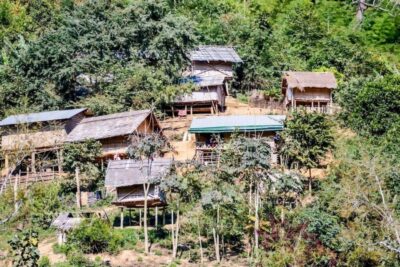
Chiang Rai: 2-Day Jungle Trek only walk with Waterfall
Read our review →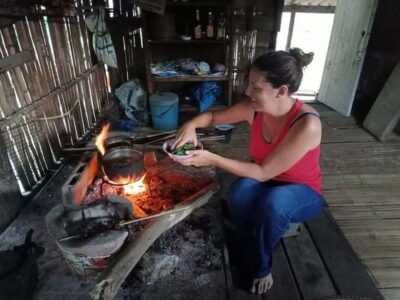
Chiang Rai Trek: 4 Hilltribes Villages & Waterfall Only Walk
Read our review →Lists this trek appears in