
Review · CHIANG MAI
Chiang Mai: 2-Days Chiang Mai Amazing Trek
Doi Suthep may be Chiang Mai’s famous mountain temple, but the real character of this trip comes later, on forest paths, beside terraced farms, and at a Karen village homestay. I like the mix of major sights and quiet countryside, especially the contrast between ornate temple buildings and a simple family dinner in the hills.
I also like that the walk is about more than scenery. Guides such as Pun and Top explain local plants, herbal medicine, birds, farming, and village life as you go. The main consideration is comfort: the trek is moderate, the weather can turn quickly, and the overnight stay is basic rather than hotel-like.
Key points to know before you book
- Doi Suthep and Wat Pha Lat in one morning: See Chiang Mai’s best-known mountain temple, then visit a much quieter forest shrine.
- A real forest walk: Follow riverside paths to waterfalls, terraced farmland, small streams, and jungle plants.
- Karen village overnight: Stay with a host family, eat home-cooked dinner, and have breakfast in the village.
- Guides who add context: Pun and Top are noted for explaining nature and local life with warmth and humor.
- Bamboo rafting finale: Drift down a river through jungle scenery after the second day’s walk.
- Good value at $108: Transport, guide, four meals, homestay, trekking, temple visits, and rafting are included.
Why this two-day trip works so well
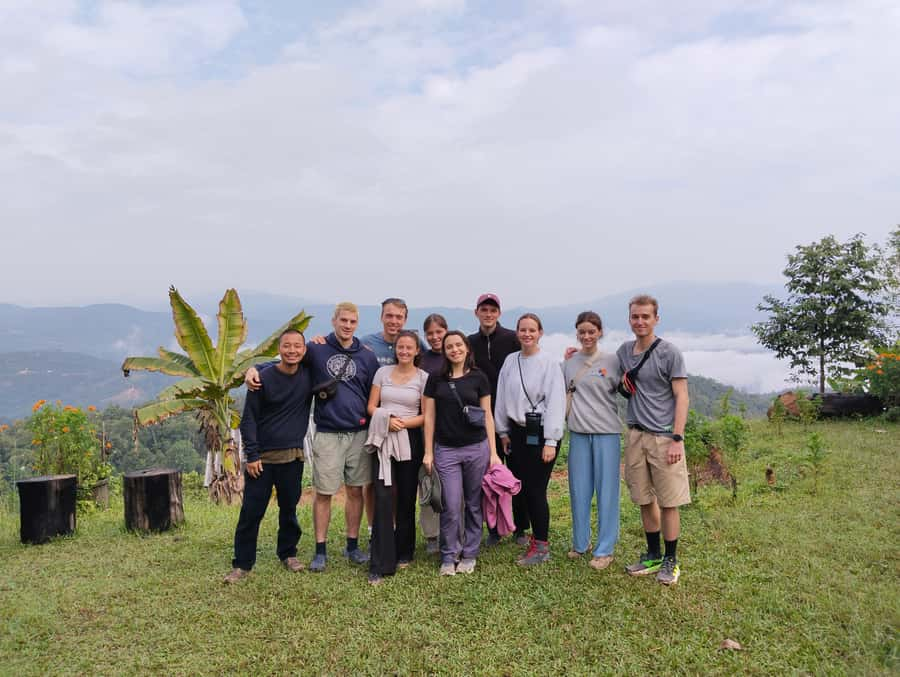
This is a good choice if you want Chiang Mai’s mountains to feel like more than a quick viewpoint stop. The route links temples, farming country, forest trails, a village stay, and a river ride into one compact outing.
I like the balance. You get famous sights at Doi Suthep, but the trip does not stop at the usual temple visit. You also get Wat Pha Lat, a countryside market, a waterfall, terraced fields, and time with a Karen host family.
The trip is sold as an eco adventure, and the most useful part of that promise is the guide’s interpretation. As you walk, you learn about native plants, local ecosystems, sustainable farming, and herbal medicine. That turns the forest from a wall of green into a place with practical uses and a human story.
At $108 per person, the price is strong for a two-day outing. Hotel pickup and drop-off, a live English-speaking guide, two lunches, dinner, breakfast, the homestay, trekking, temple visits, and bamboo rafting are all included. You still need to cover personal expenses, but most major costs are bundled together.
More two-day treks around Chiang Mai
- Chiang Mai: 2-Day Jungle Trek with Elephant Farm & Raft Ride
★ 4.7 · 881 reviews - Chiang Mai: 2-Days Jungle Trek, Waterfalls and Karen Village
★ 4.8 · 103 reviews - Chiang Mai 2-Day: Trekking, Tubing & Elephant Observation
★ 4.9 · 95 reviews
Doi Suthep gives the trip a grand beginning
The first stop is Wat Phra That Doi Suthep, commonly called Doi Suthep, high above Chiang Mai. Its mountain setting gives you broad views over the city and surrounding area when conditions are clear.
The temple is important for both its spiritual role and its Lanna architecture. You can expect ornate details, a strong sense of ceremony, and a setting that explains why this is one of Chiang Mai’s essential sights.
I appreciate starting here because it gives you cultural context before the walking begins. The visit is not simply a photo stop. It introduces the northern Thai style of temple design and the religious traditions that shape the region.
Cloud, rain, or haze can affect the views. That is one reason not to judge the entire trip by the first stop. Doi Suthep is impressive, but the forest and village sections provide a different kind of reward.
Wat Pha Lat trades grandeur for quiet
Wat Pha Lat feels almost like the opposite of Doi Suthep. It is a peaceful temple in the forest, with nature close around the buildings and a quieter atmosphere than the city’s major religious sites.
The setting matters here. You are not visiting a large monument surrounded by constant activity. You are seeing a sacred place tied closely to the forest, with a slower pace and a sense of retreat.
I like this pairing of temples. Doi Suthep shows the public, ceremonial side of northern Thai Buddhism. Wat Pha Lat lets you see how religious spaces can fit into the natural world without overpowering it.
Give yourself time to notice the setting rather than rushing from one structure to the next. The value of Wat Pha Lat is its calm, not its scale.
A market stop adds everyday Chiang Mai
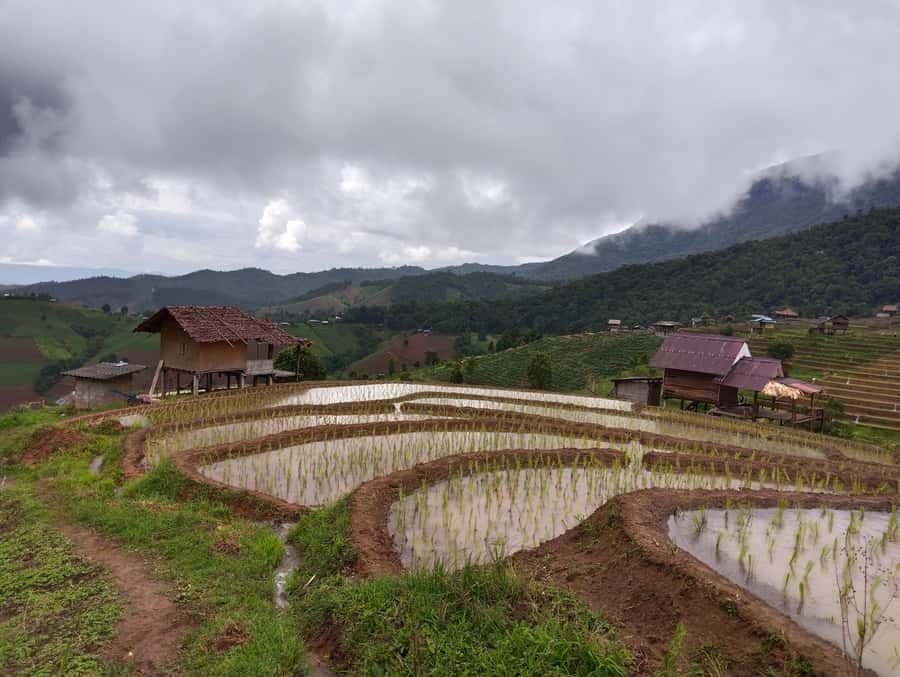
The countryside market gives you a look at ordinary local commerce before the trek. You can see food and produce, watch local life in action, and try a traditional Thai snack.
This is a small stop, but it helps break up the temple visits and makes the day feel connected to the communities around the mountain. Lunch follows at a local restaurant, with seasonal food rather than a meal carried from the city.
You should not expect a long market tour or a cooking class. Think of it as a brief, useful pause that gives you something to taste and observe before heading onto the trails.
More treks around Chiang Mai:
- 3-in-1: Doi Inthanon Tour, Elephant Sanctuary, and Trekking Trail
★ 5.0 · 1,087 reviews - Chiang Mai: Doi Inthanon Trip with Pha Dok Siew Guided Trek
★ 4.6 · 910 reviews - Chiang Mai: Doi Inthanon Park and Pha Dok Siew Trail Trek
★ 4.6 · 752 reviews - Doi Inthanon Private Tour with Trek & Lunch from Chiang Mai
★ 5.0 · 622 reviews
Forest trails lead to waterfalls and farm country
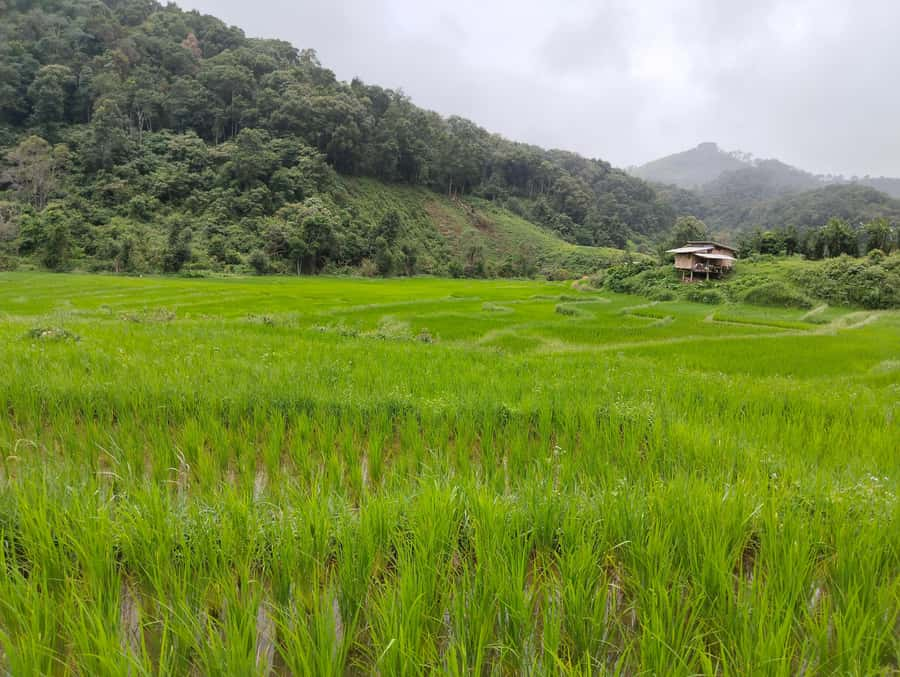
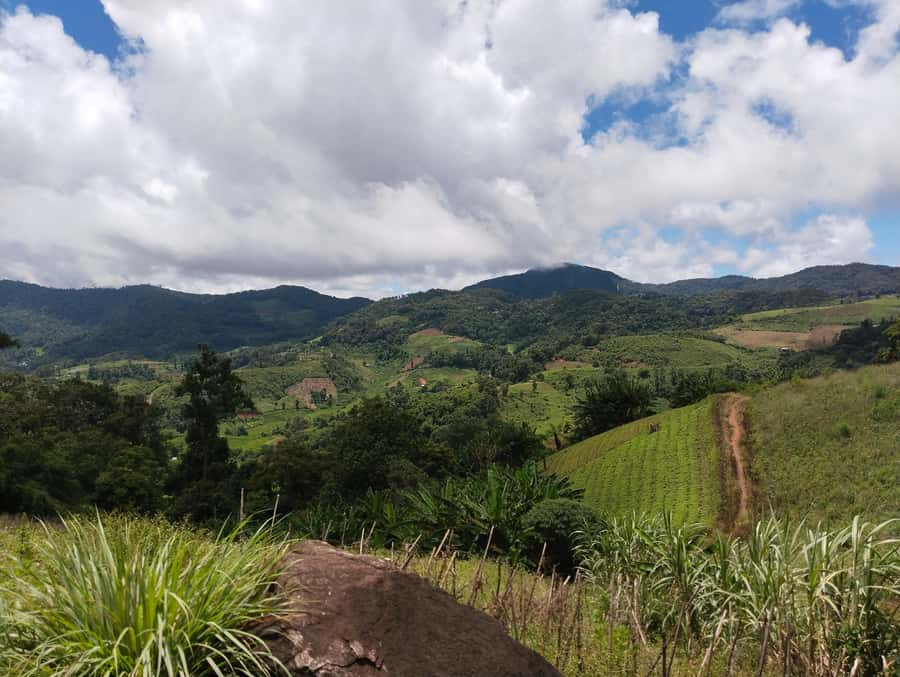
The first major walk follows forest paths and a riverside trail toward a jungle waterfall. You also pass terraced farmland, where the guide explains native plants, sustainable farming methods, and local ecosystems.
This part requires moderate physical effort. The paths are mountain trails, not flat walking paths, and conditions can be slippery or uneven after rain. You need comfortable shoes with a proper grip. Sandals or smooth-soled trainers are poor choices here.
The waterfall stops are welcome breaks, especially on a warm day. One family found the walks manageable for children because the waterfall stops gave everyone a chance to pause. Still, the trip is not completely effortless. You should be comfortable walking for extended periods, crossing small streams, and handling changes in elevation.
I like the way this route connects scenery with practical information. You are not only looking at trees and water. You are learning how people use plants, grow food on hillsides, and live within a forest environment.
The Karen homestay is the heart of the trip

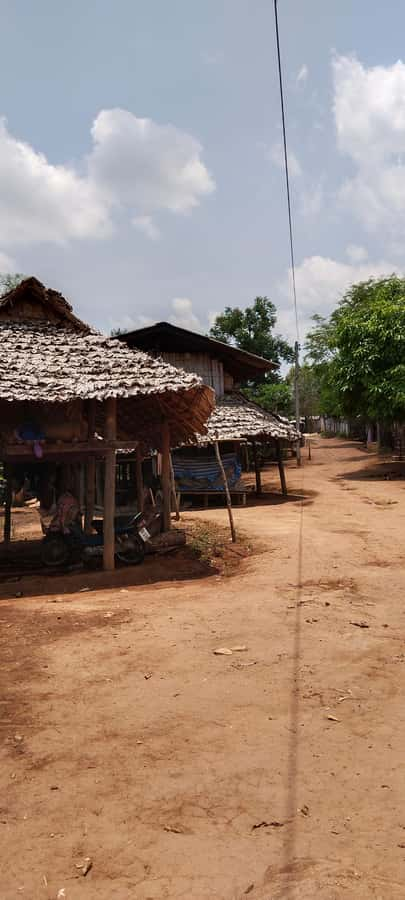
By evening, you reach a Karen hill tribe village surrounded by mountains. The overnight stay is in a basic village homestay, not a polished resort or a standard hotel.
That simplicity is part of the point. You have dinner with your host family, then spend the night in a village setting rather than returning to Chiang Mai. A homemade meal and conversation offer a more direct connection to local life than a restaurant meal in town.
Comfort levels can vary. One account describes a private house with a bathroom, while another compares the accommodation to a basic mountain shelter. A mosquito net is available, but you should still bring insect repellent, soap, a towel, toilet paper, and other personal items that help you feel comfortable.
The family prepares dinner and breakfast, and the food is a major part of the stay. You should expect home cooking rather than a menu with endless choices, though the meals are described as plentiful and varied.
I would book this trip partly for this night. The temple visits and rafting are enjoyable, but sleeping in the village changes the pace of the journey. You have time to settle in, eat with your hosts, and see a different side of northern Thailand.
Day two continues with streams, plants, and waterfalls
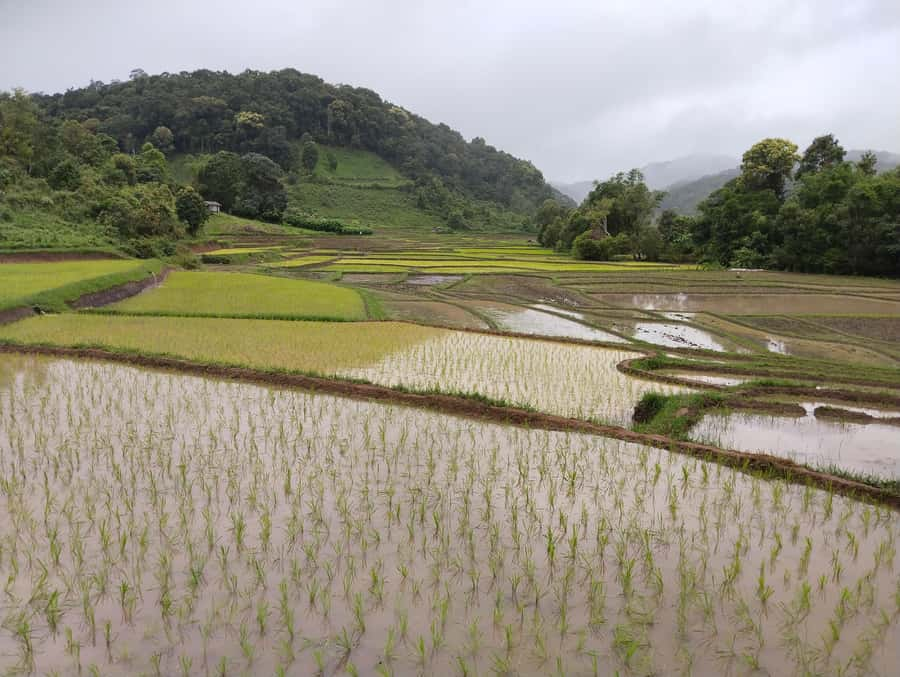
The second morning begins with breakfast prepared by the host family. After that, you continue through the forest on winding paths, crossing small streams and stopping at waterfalls along the way.
The second day adds more nature interpretation. Your guide may explain traditional herbal medicine and the area’s plant and animal life. Guides Pun and Top are associated with a friendly, good-humored approach, which matters on a long walk. A guide who can keep the mood light while explaining the surroundings makes the physical effort easier to manage.
The exact feel of the walk depends on weather and trail conditions. Pack for changeable conditions, and do not count on dry, cool weather simply because the forecast looked good in Chiang Mai. A hat, sunscreen, water, insect repellent, and light but comfortable clothing are useful basics.
Lunch provides a proper break before the final activity. Since both days include lunch, you do not need to plan around finding food in remote areas.
Bamboo rafting is a gentle finish
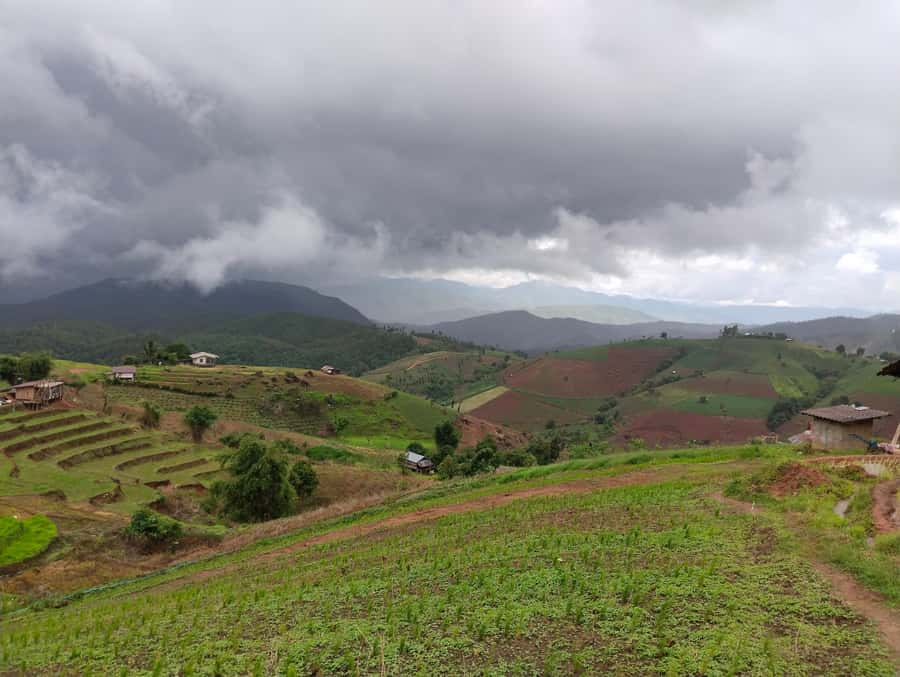
After lunch, you board a traditional bamboo raft and float downriver through jungle scenery. Compared with the walking, this section is restful. You can watch the riverbanks, listen to the water, and look for local wildlife along the way.
The rafting is not presented as a high-speed adventure. It is a quiet river ride and a good change of rhythm after two days of walking. That makes it suitable for people who want some adventure but do not want every activity to be physically demanding.
Conditions on the river can vary with weather, but the main appeal is the setting. The raft takes you through scenery that is difficult to experience from a road or temple platform.
The drive back to Chiang Mai follows the rafting. You finish tired, but the day has a satisfying sequence: walk, eat, float, and return.
What $108 really covers
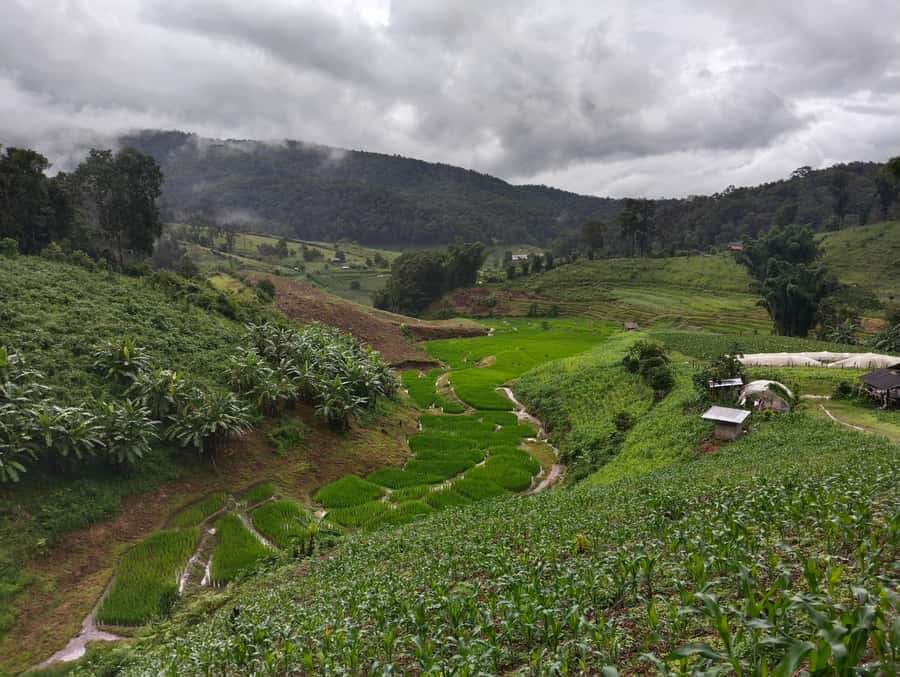
The $108 price is easy to assess because the inclusions are substantial. You receive:
- Hotel pickup and drop-off
- An English-speaking live guide
- Two lunches
- Dinner on the first night
- Breakfast on the second morning
- A Karen village homestay
- Eco trekking
- Bamboo rafting
- Visits to Doi Suthep and Wat Pha Lat
- A local market visit
If you arranged these pieces separately, transport and meals alone could become complicated. The guide also saves you from working out rural transport, finding trail access, and handling the transition from trekking to rafting.
The price does not cover personal expenses. Bring money for anything extra you choose to buy, but the main structure of the trip is already paid for.
I see this as better value for someone who wants a full mountain experience than for someone who only wants a temple tour. If your main goal is a short scenic walk, a two-day trip may feel like too much. If you want culture, nature, food, and a village stay in one package, the cost is reasonable.
Who should book this Chiang Mai trek
I would recommend it to people who:
- Are in generally good health
- Can handle moderate mountain walking
- Want a village homestay instead of a hotel
- Enjoy learning about plants, farming, and local customs
- Like combining major sights with quieter places
- Want transport and meals arranged in advance
- Are comfortable with unpredictable weather and basic accommodation
Families can consider it, since the waterfall breaks may help children manage the walking. Still, you should judge your children’s stamina honestly. The route includes forest trails, streams, and mountain conditions.
I would be cautious about booking it if you need a soft bed, a predictable bathroom setup, or a fully climate-controlled night. The homestay is intentionally simple, and comfort depends on the village accommodation provided.
Practical packing advice for the two days
Wear sturdy, comfortable shoes. This is the most important item, especially on wet or uneven mountain paths.
Pack a small overnight bag with:
- Comfortable walking clothes
- A hat
- Sunscreen
- Drinking water
- Insect repellent
- A camera
- Soap and a towel
- Toilet paper
- Any personal comfort items you need overnight
Weather can change, so bring a light rain layer or other suitable protection. Keep luggage manageable because this is a moving trip, not a resort stay with a large suitcase sitting in one room.
You should also be ready for insects. A mosquito net is available at the homestay, but repellent remains a sensible addition.
My take: book it for the village night
Book this experience if you want Chiang Mai’s countryside to be the main event, not just a backdrop for a temple photo. The strongest parts are the thoughtful route, the forest interpretation, the family meal, and the change from hiking to bamboo rafting.
The drawbacks are clear and manageable: moderate exertion, uncertain weather, and basic accommodation. At $108, the trip gives you a lot of included value, especially if you want an organized two-day route without arranging rural transport and meals yourself.
I would choose it for a first visit to northern Thailand when I wanted a broad taste of the region in a short time. You see major temples, walk through working countryside, sleep in a Karen village, and finish on the river. That is a much fuller picture of Chiang Mai Province than a standard day tour.
FAQ
How long is the Chiang Mai Amazing Trek?
The experience lasts two days and includes one overnight stay in a Karen hill tribe village.
What temples are included?
You visit Doi Suthep Temple and Wat Pha Lat. Doi Suthep is the major mountain temple with broad views, while Wat Pha Lat is a quieter forest temple.
Is the trek physically difficult?
The trek involves moderate physical activity. You should expect mountain paths, forest trails, small streams, waterfalls, and uneven ground.
Where do you sleep?
You spend the night in a basic homestay in a Karen hill tribe village. Accommodation details can vary, and a mosquito net is available.
What meals are included?
Lunch is included on both days, along with dinner on Day 1 and breakfast on Day 2.
Is bamboo rafting included?
Yes. The rafting takes place after the second day’s trek and lunch, on a traditional bamboo raft through jungle scenery.
What should I bring?
Bring comfortable shoes, a hat, a camera, sunscreen, water, comfortable clothing, and insect repellent. For the homestay, soap, a towel, toilet paper, and personal comfort items are also useful.
New treks around Chiang Mai
- Private Tour Doi Inthanon, Trekking Kew Mae Pan Nature Trail★ 5.0 · 11 reviews
- Private Doi Inthanon, Nature Trail, Wat Phra That Doi Kham★ 5.0 · 6 reviews
- Inthanon national park, Trekking and Sightseeing in one day.★ 5.0 · 5 reviews
- Eco-Friendly: Doi Inthanon & Pha Dok Siew Trekking Day Trip★ 4.1 · 5 reviews
- Private Doi Inthanon With Trekking Pha Dok Siew Nature Trail★ 5.0 · 7 reviews
- Chiang Mai: Mae Ya Waterfall & Pha Dok Siew Trail Trek★ 5.0 · 13 reviews
- Chiang Mai: Jungle Trek, Elephants care & Bamboo Rafting★ 4.5 · 8 reviews
- Chiang Mai: Hmong Village, Doi Suthep and Wat Pha Lat Trek★ 5.0 · 3 reviews
Chiang Mai Trekking Tours, side by side.
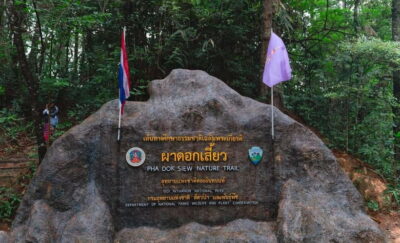
Chiang Mai: Doi Inthanon Trip with Pha Dok Siew Guided Trek
Read our review →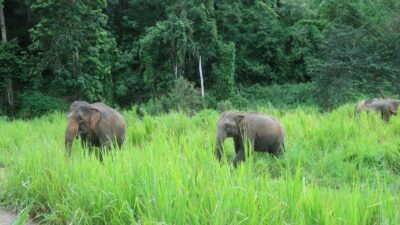
Chiang Mai: 2-Day Jungle Trek with Elephant Farm & Raft Ride
Read our review →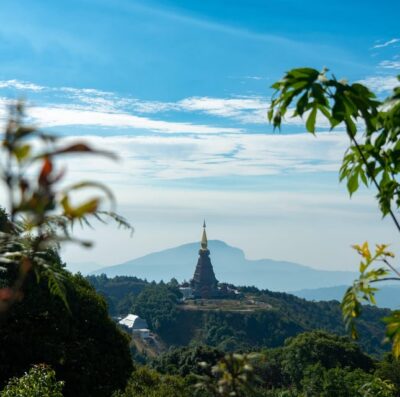
Chiang Mai: Doi Inthanon Park and Pha Dok Siew Trail Trek
Read our review →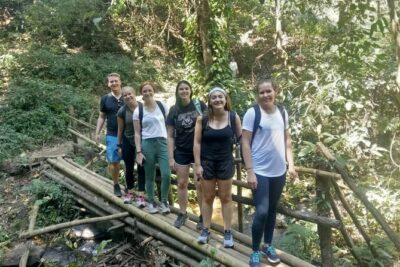
Doi Inthanon Private Tour with Trek & Lunch from Chiang Mai
Read our review →
Chiang Mai: Gibbons, Trekking & Mae Kampong Small Group Tour
Read our review →
Doi inthanon National Park + 2Hour Fantastic Trekking with Lunch
Read our review →
Doi Inthanon National Park with Nature Trail Trekking 1-Day Tour
Read our review →
From Chiang Mai: Chiang Dao Cave Trekking Full-Day Tour
Read our review →Lists this trek appears in