
Review · CHIANG MAI
Chiang Mai: 3-Day Karen Hill Tribe Immersion with Trekking
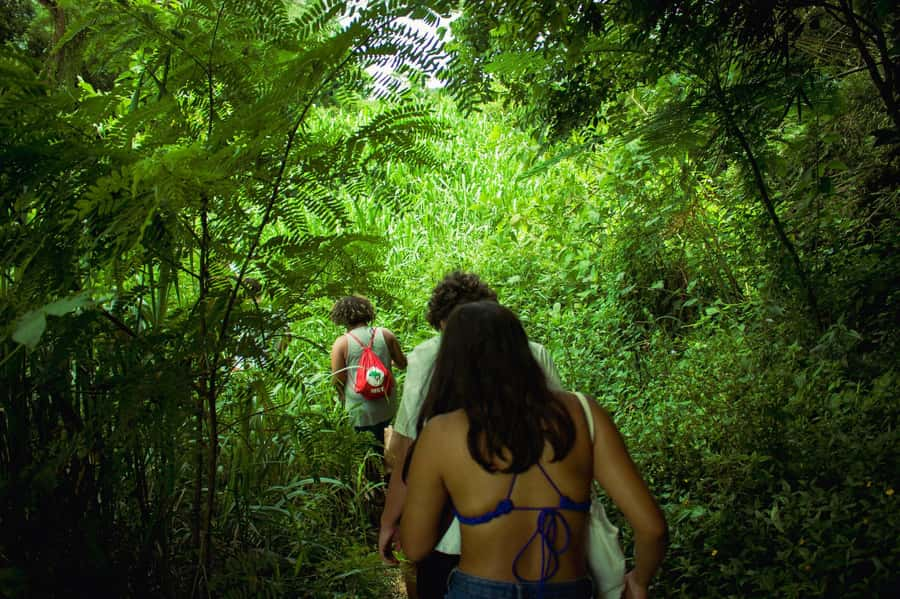
The best part of this Karen family-run trek is the access. You walk across community-owned land in Doi Inthanon, stop at waterfalls that see few visitors, and sleep in villages where daily life is still part of the experience. I like the plant lessons from guides such as Pepe, Bobo, and Jungle Boy, and I like that meals are cooked fresh with local ingredients. The main catch is the effort: 5 to 7 hours of walking each day, with steep and uneven sections.
I also like the human scale of it. You do not simply pass through a hill tribe village, take a quick photo, and leave. You learn about Karen clothing, cook with your hosts, and spend evenings around a fire with your small group. The basic camps are part of the deal, though, with cold showers, limited signal, simple bedding, and no dependable access to modern comforts.
Key points to know before you go
- Three days of real trekking: Plan on roughly 5 to 7 hours of walking each day, with Day 1 often feeling the hardest.
- Karen guides lead the way: Local guides point out edible plants, herbs, spiders, scorpions, fruits, and signs of forest wildlife.
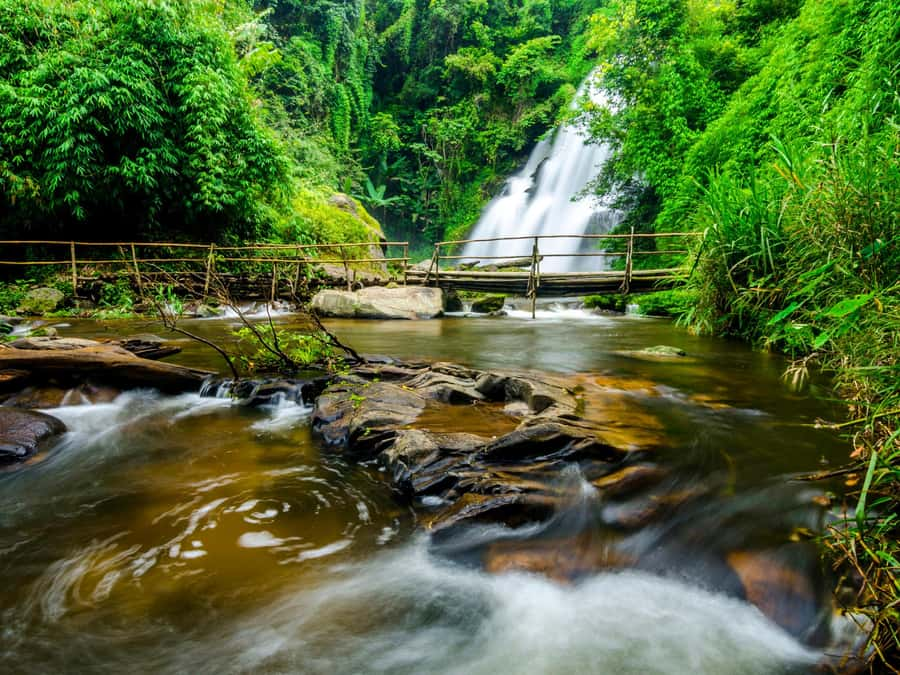
- Five waterfall stops are possible: Bring swimwear and a towel for cool swims beneath jungle falls.
- Two different village stays: You sleep in simple camps in Karen villages and learn about cooking, clothing, and family life.
- Seven meals are included: Food is fresh, local, plentiful, and dietary needs can be handled with advance notice.
- Bring cash and pack light: Villages may charge cash for drinks or water, and you carry your own small backpack throughout the trek.
A three-day walk through Karen country
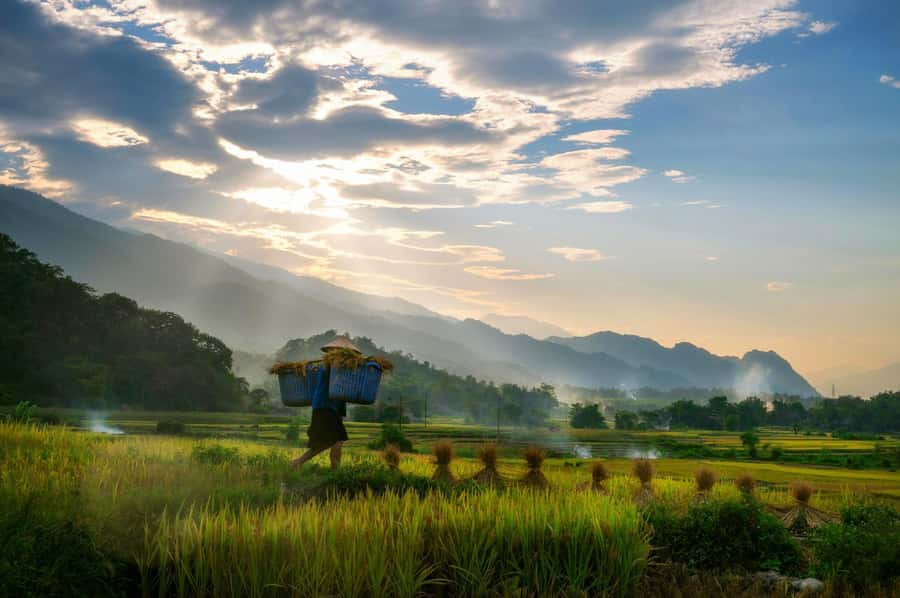
This is not a sightseeing trip with a little walking added on. It is a demanding, community-based trek through privately owned Karen land in Doi Inthanon, Thailand’s highest mountain area. The route moves through forest, bamboo, farmland, rice paddies, and village paths, with a local family handling the guiding, food, and overnight arrangements.
That family connection matters. Your guide is not just there to keep time and point toward the next trail. Guides such as Pepe, Bobo, and Jungle Boy have been praised for stopping often to show small details you could easily miss, including herbs, fruit, insects, spiders, and scorpions. Without that local eye, much of the forest would look like a wall of green.
You join a small group of up to 15 people, though group size can vary. A smaller group makes the village stays and shared meals feel more personal. It also makes a difference on narrow paths, where walking in a long line can slow everyone down.
More three-day treks around Chiang Mai
- Chiang Mai: 3Days Nature&Cultural Trek in Doi Inthanon Area
★ 5.0 · 2 reviews - Sapa 3 Days 2 Nights Trekking Tour (1 Night In Ta Van Village, 1 Night In Hotel)
★ 5.0 · 699 reviews - 3-Day Trekking Adventure of Sapa from Hanoi – Stay Ta Van Village
★ 5.0 · 611 reviews
Day 1: Market breakfast, steep forest, and a waterfall camp
Pickup begins early in Chiang Mai, generally between 7:00 and 8:00 in the morning depending on where you stay. The drive includes a stop at a local market, a useful chance to buy snacks and see the food people in the area actually shop for. Bring cash, since drinks and water in villages may not be payable by card.
From the market, you continue to a mountain village connected with your host family. This is where the walking begins. The route crosses farmland, rice paddies, bamboo groves, and thick forest, with your guide explaining how local people use plants for food, medicine, and other daily needs.
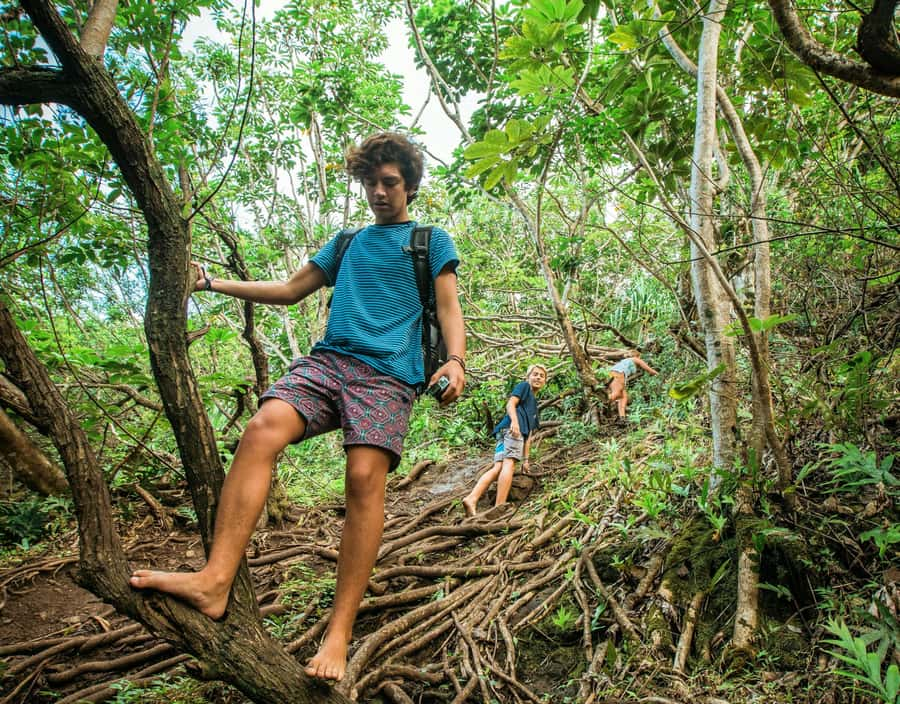
Day 1 is often the toughest section. The route includes a steep climb, and one account of the trek measured the day at about 11 kilometers. The official description calls for moderate fitness, but I would treat that as a firm minimum rather than a casual suggestion. If you are comfortable hiking for several hours on uneven ground, you should be able to manage it. If you mostly walk on flat city streets, this may feel much harder than expected.
Lunch is served near a waterfall and wrapped in banana leaves. That detail gives the meal a sense of place, but do not expect a restaurant setup or a long break with every comfort. You are eating outdoors, then getting back on the trail.
The afternoon continues toward a forest camp near a remote waterfall. You may help prepare dinner with herbs gathered along the route. That hands-on cooking session is one of the better parts of the trip because it turns food into a lesson about the forest rather than just fuel after a long hike.
After dinner, the evening is quiet and social. A fire, a dark sky, and conversation with the group replace Wi-Fi and television. The camp has bedding, and mosquito nets are provided according to the trip details and guest experience, but the sleeping arrangements remain simple. Think floor mats or basic beds rather than a hotel room.
Day 2: Forest wildlife and two village encounters
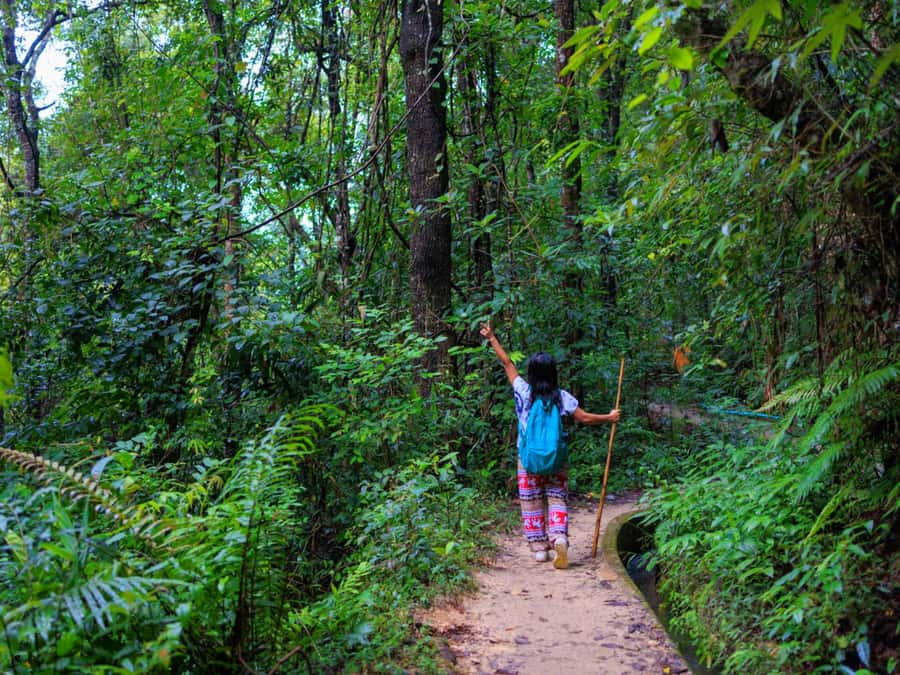
After a simple breakfast, you set out again. The forest is known to shelter gibbons, macaques, and Asiatic black bears, though this is not a wildlife-viewing tour and sightings are not promised. The real pleasure is learning how to read the forest with someone who knows it well.
The morning walk takes about three hours to reach a Karen village for lunch. You then continue for roughly four more hours toward a second village. The route has both uphill and downhill sections, and the day can be tiring even if no single part feels extreme.
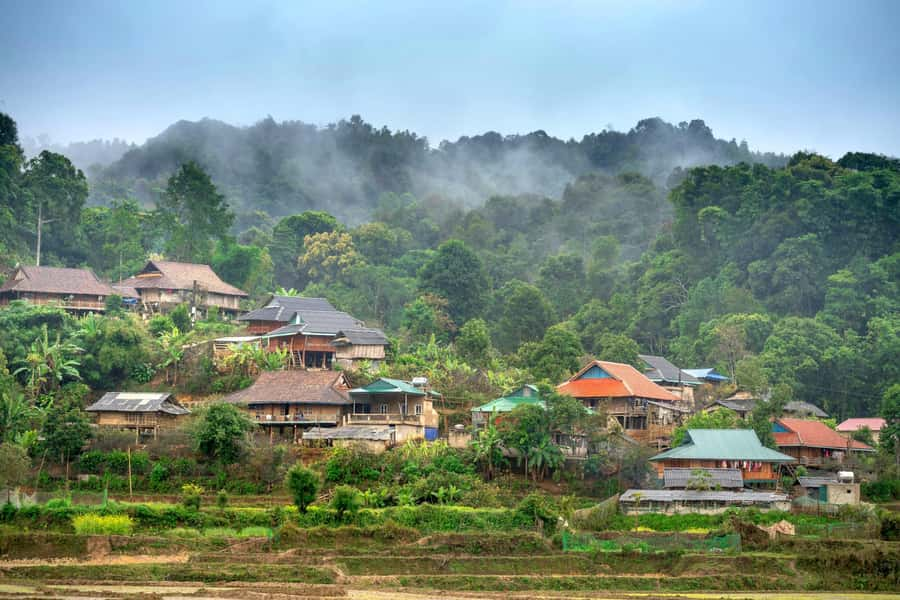
The second village stay is the heart of the cultural side of the trip. You learn about traditional clothing, cooking methods, and everyday routines. The hosts may include members of the guide’s own family, such as parents or siblings, which gives the stay a more direct and personal quality than a staged cultural demonstration.
That does not mean you should arrive expecting a performance. The value is in the ordinary details: how food is prepared, how clothing is made or worn, and how village life fits around farmland and forest. Dress modestly in the villages, ask before photographing people, and follow your guide’s lead.
The evening meal is another strong point. Food is simple but consistently described as fresh, tasty, and generous. Dinners also give the group time to talk. You may find yourself sharing stories with people from several countries after a day when everyone has earned a seat by the fire.
Day 3: Farmland, cloud forest, and up to five waterfalls
The final day covers about 6 to 7 hours of trekking. The route passes through farmland, local farms, cloud forest, and rougher paths. After the climbing and mixed terrain of the first two days, much of this section trends downhill, which is easier on your lungs but can still test your knees and ankles.
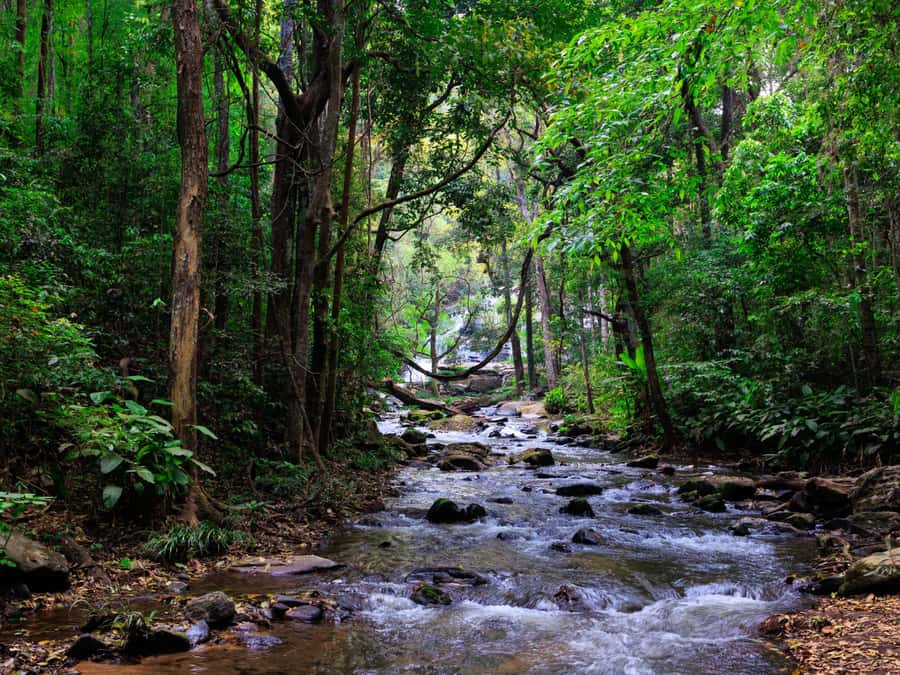
The big reward is the waterfalls. The route may include up to five natural falls, and each is suitable for swimming. This is where your swimwear, towel, sandals, and a dry change of clothes earn their space in your bag.
Do not assume every waterfall stop will be a long swim. The exact pace depends on the group, trail conditions, and the day’s route. Still, these breaks provide a welcome change from walking and let you enjoy the forest at a slower speed.
A final meal is served by the water before pickup for Chiang Mai. It is a fitting end to the trip: less ceremony, more quiet food and scenery after three days on foot. The return transfer is included for hotels in Chiang Mai city.
More treks around Chiang Mai:
- 3-in-1: Doi Inthanon Tour, Elephant Sanctuary, and Trekking Trail
★ 5.0 · 1,087 reviews - Chiang Mai: Doi Inthanon Trip with Pha Dok Siew Guided Trek
★ 4.6 · 910 reviews - Chiang Mai: 2-Day Jungle Trek with Elephant Farm & Raft Ride
★ 4.7 · 881 reviews - Chiang Mai: Doi Inthanon Park and Pha Dok Siew Trail Trek
★ 4.6 · 752 reviews
What the food and sleeping arrangements are really like
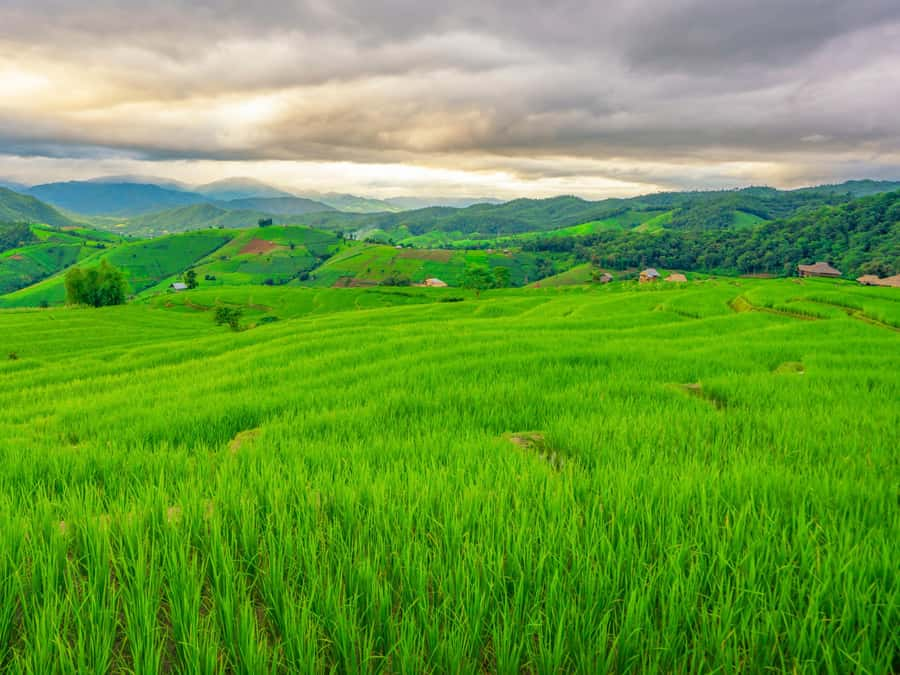
Seven meals are included, from lunch on Day 1 through lunch on Day 3. The cooking uses fresh local ingredients, and the guides prepare meals during the trek. You can request dietary adjustments in advance, which is important if you avoid meat, have allergies, or follow a specific diet.
Bring snacks anyway. Long hiking days can leave you hungry between meals, and a few compact items in your daypack are useful. Carry water as well, since you should not assume there will be convenient shops along the trail.
The camps are basic but comfortable enough for people who understand what they are signing up for. Bedding is supplied, but beds or mats may not feel especially soft. Cold showers are part of the experience, and toilet facilities are basic. The official information says there is no electricity, internet, or reliable mobile service, although electricity has been found at some overnight spots. Treat power as a bonus, not something to count on.
Pack toiletries, toilet paper, a towel, insect repellent, and a warm layer. A light jacket matters in the mountains, especially at night or in cooler months. During the rainy season, add a rain jacket and bring dry clothes for sleeping.
The guide makes the difference
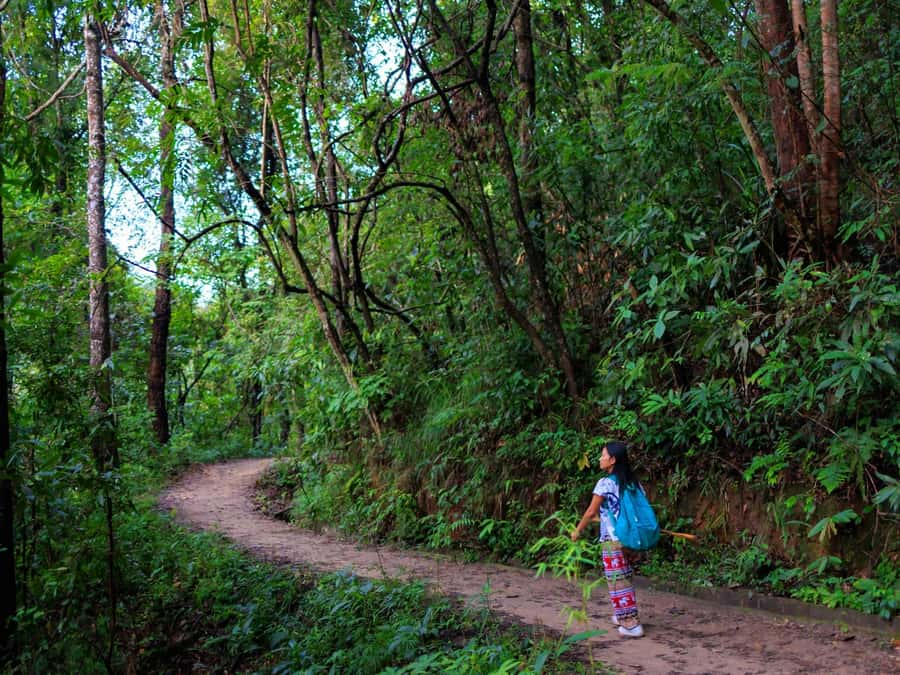
A local Karen guide is the main reason this trek offers more than a standard forest hike. You are shown plants and animals that you would probably walk past, and the guide explains how those things connect to food, medicine, and local custom.
The named guides associated with this experience include Pepe, Bobo, and Jungle Boy. Their role is not only to lead the route. They manage the pace, explain the surroundings, help with cooking, and keep the group together on unfamiliar paths.
The strongest praise has been directed at the guides’ warmth and ability to make people feel safe. That matters here because the route is remote, the terrain is unfamiliar, and the group spends several long days together. A good guide can turn a hard climb into a worthwhile lesson. A poor guide could make the same climb feel like a slog.
The language options are English and Thai. If you have questions about plants, food, or cultural customs, ask them as you go. This is an experience where curiosity improves the trip.
Who should book this trek?
I would recommend it to active adults who want a close look at rural northern Thailand and are happy to trade comfort for access. It suits people who enjoy long walks, basic homestays, local food, swimming, and evenings without a screen.
It is not suitable for children under 12, people with mobility problems, back problems, or heart conditions. Even fit hikers should prepare for humidity, steep ground, slippery paths, and tired legs. Good hiking shoes are more important than fashionable clothes.
You also need to be comfortable with modest village conditions. There is no promise of a hot shower, strong phone service, private hotel room, or easy access to shops. If you need those things each night, choose a shorter day tour instead.
Is $158 a good value?
At $158 per person, the price is fair for what is included. You receive Chiang Mai pickup and drop-off, three days of guiding, two nights, seven meals, cultural activities, cooking sessions, and accident insurance. You are also paying for access to community-owned land and a local operation rather than a quick commercial loop.
The value is strongest if you use the cultural side of the trip. A simple bed and a basic meal would not justify the price on their own. The worthwhile part is the combination of local guiding, remote trails, village stays, forest lessons, and time with Karen families.
You may spend a little extra on drinks, water, and snacks, so carry cash. The ability to cancel up to 24 hours before departure for a full refund and reserve without paying immediately also makes planning easier, though you should still check the available start time before booking.
Practical packing for three days
Keep your main bag small. You carry your own things, and a proper daypack is more useful than a soft tote or an overloaded suitcase.
Bring:
- Hiking shoes with dependable grip
- Sandals for village evenings and waterfall stops
- Swimwear, towel, and a full change of clothes
- Long pants and a long-sleeved shirt for forest and village visits
- Sunscreen, sunglasses, hat, and insect repellent
- Water, snacks, and personal medication
- A jacket or warm layer
- Rain protection during the wet season
- Toiletries and toilet paper
- A camera, if you can keep it protected from rain and water
Do not bring alcohol or drugs, and smoking is not allowed. Keep plastic waste with you until it can be disposed of properly. Staying on marked paths and asking before taking photographs helps protect both the land and the people who live there.
Should you book the Maewin and Family Trekking Tour?
Book it if you want a physical, personal trip through Doi Inthanon rather than a polished resort-style outing. The excellent food, local guides, waterfall swims, and family connections give the three days real character.
Skip it if you dislike steep hikes, cold showers, simple sleeping arrangements, or carrying your own gear. The route is more strenuous than the phrase moderate fitness may suggest, especially on Day 1. For the right person, though, the hard walking is what makes the quiet villages, forest lessons, and fireside meals feel earned.
FAQ
Where does the trek take place?
The trek takes place in Doi Inthanon in Chiang Mai Province, Thailand, across Karen community-owned land, forests, farms, rice paddies, and villages.
How long does the experience last?
The experience lasts three days and two nights.
How many hours do I hike each day?
Plan on about 5 to 7 hours of trekking per day. Day 2 includes about 3 hours to one village and roughly 4 more hours to the overnight village. Day 3 takes about 6 to 7 hours.
Is hotel pickup included?
Yes. Pickup and drop-off are included from hotels in Chiang Mai city. Pickup times generally range from 7:00 to 8:00 in the morning, depending on your location.
What languages does the guide speak?
The tour is available with English-speaking and Thai-speaking guides.
How many people can join the group?
The group is limited to 15 participants.
Are meals included?
Yes. Seven freshly prepared meals are included, from lunch on Day 1 through lunch on Day 3. Drinks are not included.
Can I swim during the trek?
Yes. The route includes visits to up to five natural waterfalls, and the waterfalls are suitable for swimming. Bring swimwear and a towel.
Are the overnight camps comfortable?
The camps are basic but include bedding. Expect simple facilities, cold showers, no dependable internet, and limited mobile signal. Electricity may not be available, so prepare for an unplugged stay.
What level of fitness do I need?
You need a moderate level of fitness and the ability to walk for 5 to 7 hours per day on uneven jungle terrain. The trek is not suitable for children under 12 or people with back, mobility, or heart problems.
New treks around Chiang Mai
- Private Tour Doi Inthanon, Trekking Kew Mae Pan Nature Trail★ 5.0 · 11 reviews
- Private Doi Inthanon, Nature Trail, Wat Phra That Doi Kham★ 5.0 · 6 reviews
- Inthanon national park, Trekking and Sightseeing in one day.★ 5.0 · 5 reviews
- Eco-Friendly: Doi Inthanon & Pha Dok Siew Trekking Day Trip★ 4.1 · 5 reviews
- Private Doi Inthanon With Trekking Pha Dok Siew Nature Trail★ 5.0 · 7 reviews
- Chiang Mai: Jungle Trek, Elephants care & Bamboo Rafting★ 4.5 · 8 reviews
- Chiang Mai: Mae Ya Waterfall & Pha Dok Siew Trail Trek★ 5.0 · 13 reviews
- Chiang Mai: Hmong Village, Doi Suthep and Wat Pha Lat Trek★ 5.0 · 3 reviews
Chiang Mai Trekking Tours, side by side.
Chiang Mai: Doi Inthanon Trip with Pha Dok Siew Guided Trek
Read our review →
Chiang Mai: 2-Day Jungle Trek with Elephant Farm & Raft Ride
Read our review →
Chiang Mai: Doi Inthanon Park and Pha Dok Siew Trail Trek
Read our review →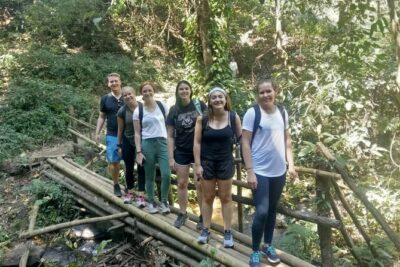
Doi Inthanon Private Tour with Trek & Lunch from Chiang Mai
Read our review →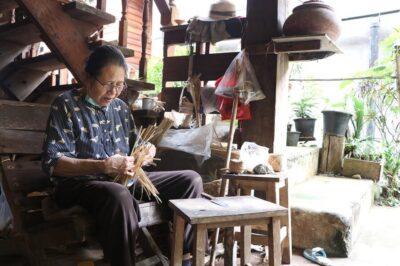
Chiang Mai: Gibbons, Trekking & Mae Kampong Small Group Tour
Read our review →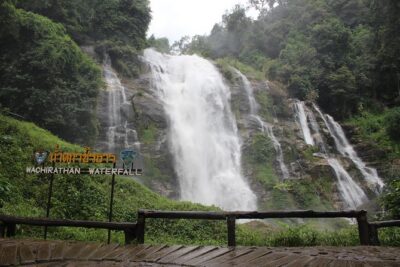
Doi inthanon National Park + 2Hour Fantastic Trekking with Lunch
Read our review →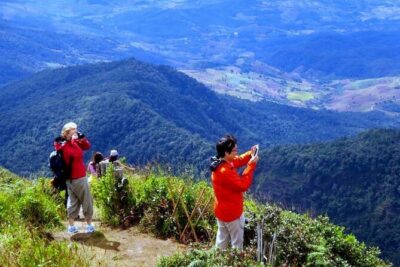
Doi Inthanon National Park with Nature Trail Trekking 1-Day Tour
Read our review →
From Chiang Mai: Chiang Dao Cave Trekking Full-Day Tour
Read our review →Lists this trek appears in